
Pick by soil, hole size, power source, weight, and safety features.
Choosing a hole digger should be simple, but the wrong tool can waste hours and money. In this guide on how to choose best hole digger, I’ll walk you through the exact steps I use on real jobs. If you want to know how to choose best hole digger with confidence, keep reading for clear tips, honest lessons, and tools that match your work.
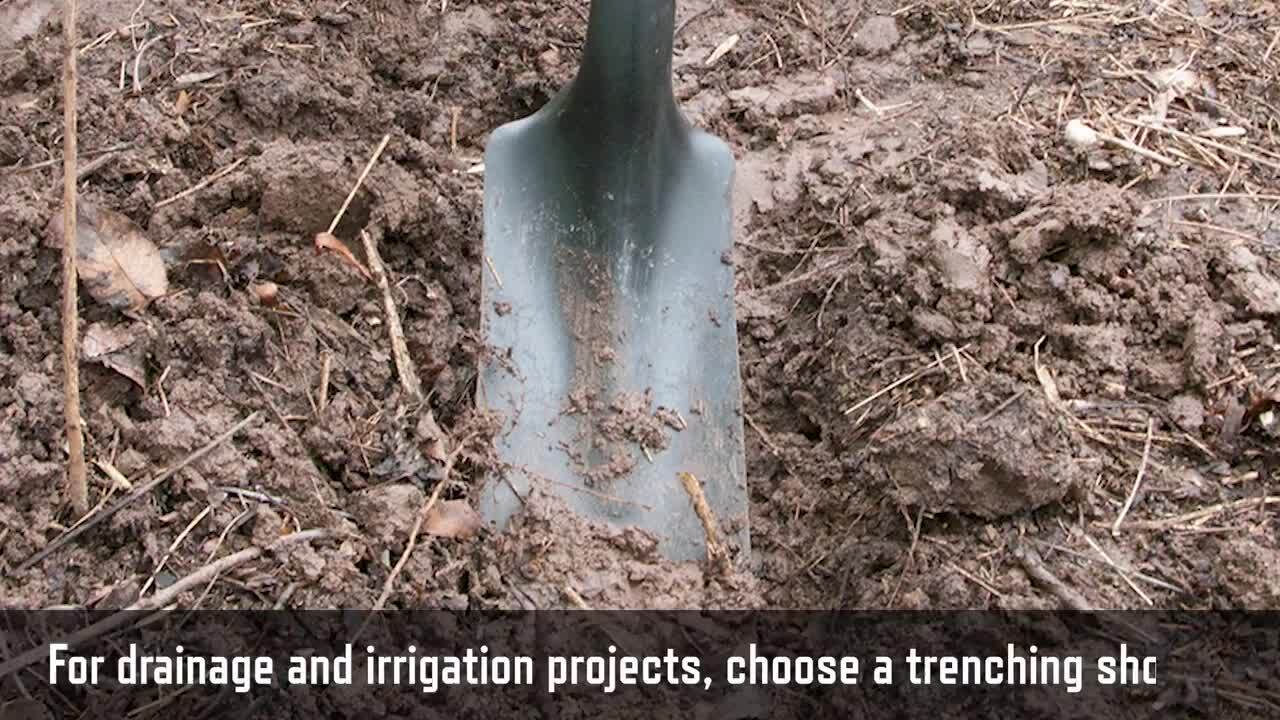
How to choose best hole digger: know your job
Start with the job, not the tool. The right choice depends on what you need to dig, where you will dig, and how fast you must finish. This is the core of how to choose best hole digger.
Ask yourself:
- What holes do I need? Fence posts, trees, deck piers, signs, footings.
- How wide and how deep? Common sizes are 4 to 12 inches wide.
- What is the soil? Sand, loam, clay, rocky, or full of roots.
- How many holes? A few, dozens, or hundreds.
- What space do I have? Tight spots, slopes, near walls, or open ground.
- What power do I have? Outlet, battery packs, gas, or hydraulic power.
From my own fence builds, small jobs favor a manual auger or a clam-shell digger. Long runs with clay need a one-man gas auger with low RPM and high torque. Large footings or rocky sites need heavy gear or a machine. Use these cues to guide how to choose best hole digger for your task.

Types of hole diggers and when to use each
Understanding the types is key to how to choose best hole digger. Each shines in a different setting.
Manual clam-shell digger
Great for soft soil and small jobs. Cheap and simple. Slow in clay and hardpan. Good for clean edges at the top.
Manual hand auger
Faster than a clam-shell in loam or sand. Gives straight holes. Tough in roots or rocks. Good workout.
Electric or battery auger
Low noise and no fumes. Great in yards and tight spots. Works well in soft to medium soil. Torque can stall in dense clay or big roots.
One-man gas auger
Good mix of power and control. Handles clay and moderate rocks with the right bit. Choose low RPM, high torque for control.
Two-man gas auger
Use when holes are wide and soil is tough, but space is tight for machines. Safer with two trained users. Strong kickback risk if the bit binds.
Tow-behind or tractor/skid steer auger
Best for many deep or wide holes. Ideal for rocky and rooty ground. Needs space and skill to operate. Often the fastest pro choice.
Tip from the field: I once tried a two-man auger on glacial till. It kicked hard when the bit hit a buried stone. We switched to a skid steer with a hydraulic auger and finished in a quarter of the time. That is a classic lesson in how to choose best hole digger for harsh soil.
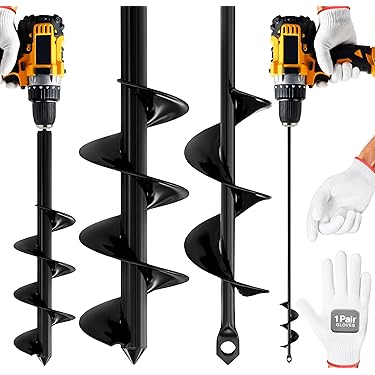
Power, torque, and speed made simple
Power is more than engine size. What matters is torque at the bit and safe control.
- Torque digs. Higher torque pushes through clay and roots.
- Low RPM is safer. It gives you control and less kickback.
- Gear reduction helps. It trades speed for torque and control.
- Clutch and anti-kick features cut risk when the bit binds.
If you wonder how to choose best hole digger for tough soil, pick higher torque, lower RPM, and a safety clutch. For soft soil and small holes, a light, faster tool is fine.

Auger bits, sizes, and depth
The bit is half the battle. The best machine is weak with the wrong bit.
- Match diameter to the job. 4 inches for stakes, 6 to 8 inches for posts, 10 to 12 inches for trees or footings.
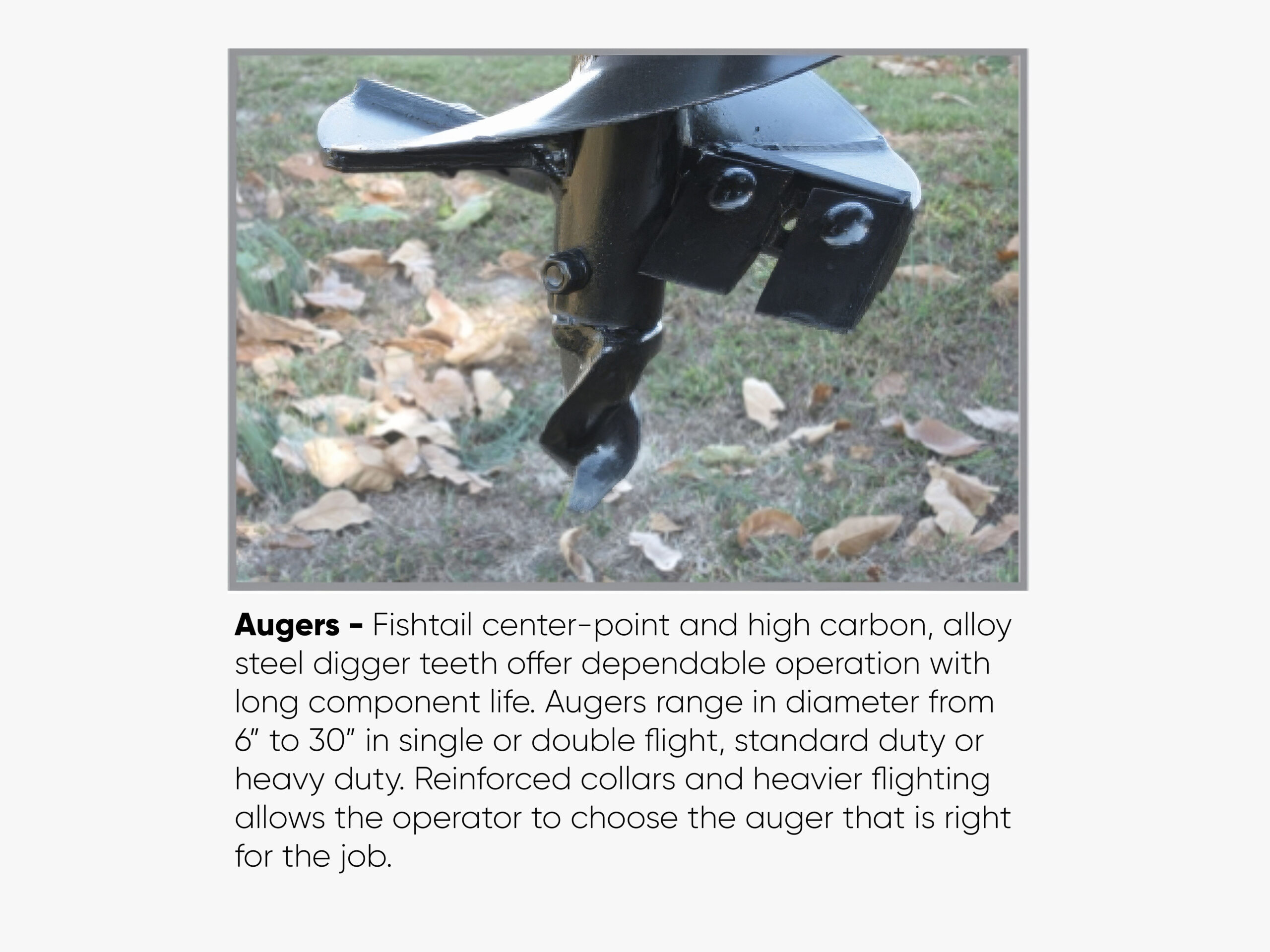
- Use pilot points and digging teeth for clay and roots.
- Use rock or tungsten teeth for gravel and rocky soil.
- Add an extension for deeper holes. Keep the shaft straight and tight.
- Clean the hole as you go. Back out often to clear spoil.
Here is how to choose best hole digger for size: pick a bit 2 inches wider than the post. This gives set space for concrete and fine adjustment.
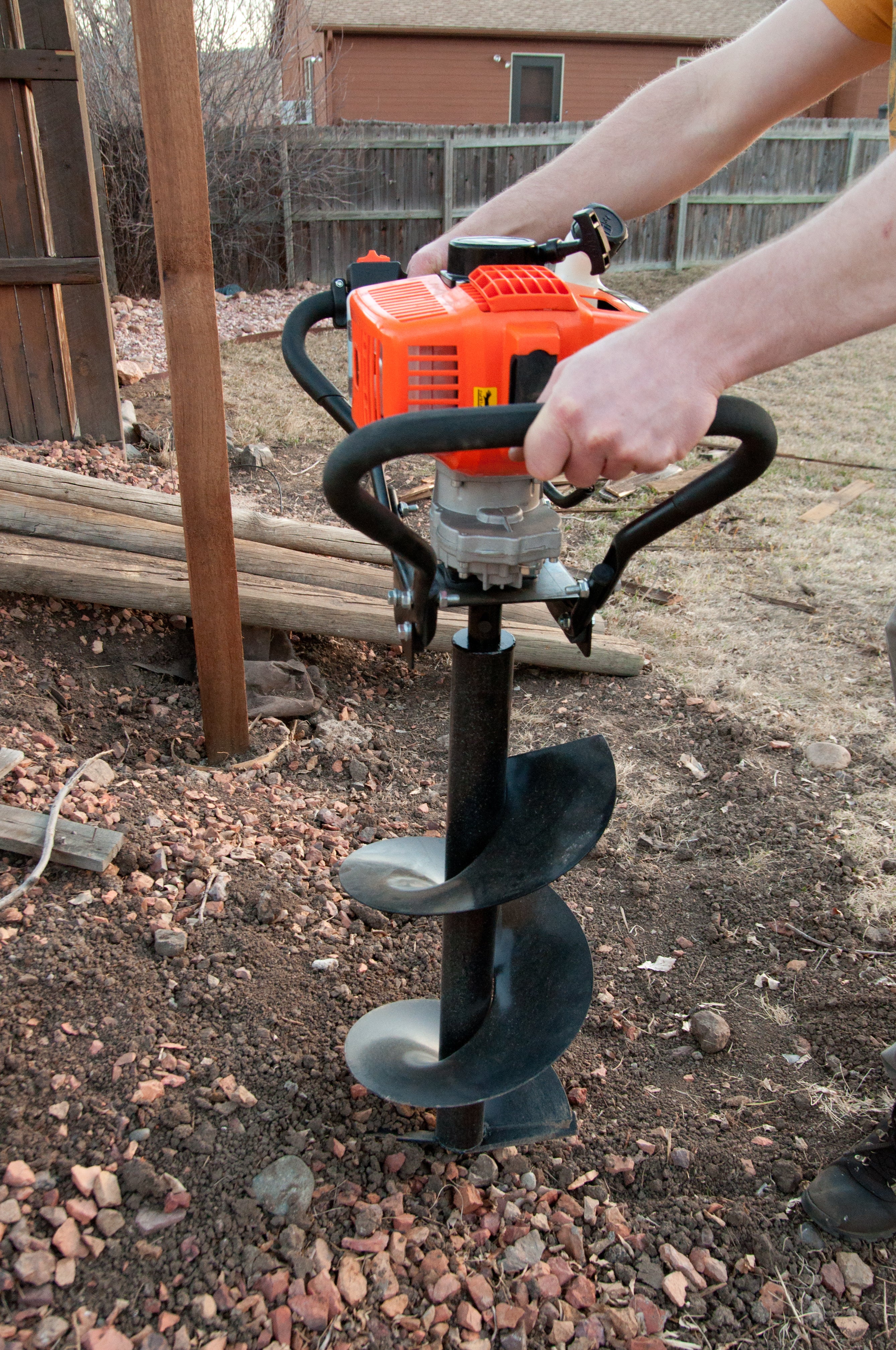
Soil and site conditions
Soil and site make or break the plan. Test the ground with a digging bar or a pilot hole.
- Sand or loam: Most tools work. Battery or electric is great.
- Clay: Needs torque and sharp teeth. Go slow to avoid bind.
- Rocky: Use rock teeth or a machine auger. Hand tools may be safer for final cleanout.
- Roots: Use a cutting bit or pre-cut with a saw or bar.
- Wet ground: Use extensions and keep spoil dry. Watch for cave-ins.
- Tight spots: Choose a compact auger or manual tools. Machines may not fit.
When I plan how to choose best hole digger for a deck on a slope, I look for stable footing, safe stance, and bit control. A one-man gas auger with a brace handle keeps things safe on uneven ground.

Ergonomics, safety, and features that matter
Comfort and safety lead to better work and fewer injuries. These features help a lot.
- Balanced weight and good handles reduce strain.
- Anti-kickback clutches prevent wrist and shoulder injuries.
- Vibration dampers cut fatigue on long days.
- Trigger locks and deadman switches add control.
- Clear guards and shields protect hands and legs.
- Bit quick-change saves time on site.
I once hurt my shoulder with an old auger that had no clutch. Since then, any plan for how to choose best hole digger starts with safety first.
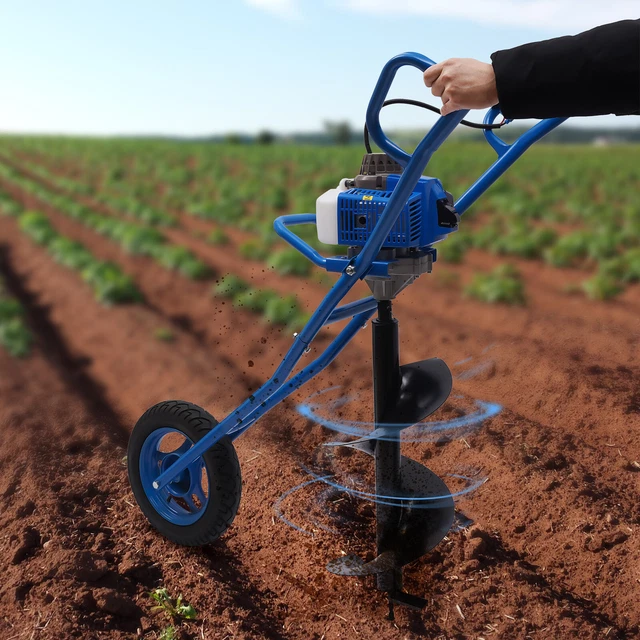
Budget, rental vs buying, and total cost
The cheapest choice can cost more over time. Think beyond the sticker price.
- Under 10 holes per year: Rent or buy a manual tool.
- Dozens of holes per year: Buy a one-man auger or a strong battery unit.
- Large builds or rocky soil: Rent a machine auger or hire a pro.
Add up:
- Purchase or rental cost
- Fuel or battery cost
- Maintenance and parts
- Your time and labor
Use this lens for how to choose best hole digger on a budget: price the job, not the tool. The right rental can save days.

Reliability, service, and warranty
Tools fail at bad times. Support matters more than raw specs.
- Check parts access and service centers.
- Look for at least a one-year warranty for pro use.
- Read user feedback on clutch life, gear wear, and battery health.
- Choose brands with clear manuals and part numbers.
If support is strong, it is easier to trust the tool on a big run. That trust is part of how to choose best hole digger you can count on.
Maintenance and productivity add-ons
A few simple habits keep your tool sharp and safe.
- Grease the gearbox as the manual states.
- Keep teeth sharp and replace worn tips.
- Check the throttle, kill switch, and clutch.
- Inspect bolts, pins, and extensions.
- Clean after each use to avoid rust.
Useful add-ons:
- Rock or clay teeth kits
- Quick-change adapters
- Depth markers and hole templates
- Extra batteries or spare fuel cans
Good care is a quiet edge in how to choose best hole digger that lasts for years.
A simple checklist to pick the right hole digger
Use this quick flow to lock in your choice. It is my go-to method for how to choose best hole digger on any site.
- Define hole size, depth, and count.
- Probe the soil for clay, rocks, and roots.
- Map the site: space, slope, and access.
- Pick the type: manual, battery, gas, or machine.
- Match torque and RPM to soil and bit size.
- Select bit diameter, teeth type, and extensions.
- Verify safety features and handle design.
- Choose buy or rent based on job volume.
- Check service, parts, and warranty.
- Set your budget and time plan.
Common mistakes to avoid
Skip these traps and your day will go smoother.
- Choosing by price, not the soil or job.
- Using a high-speed auger in clay or roots.
- Skipping a test hole and hitting surprises.
- Ignoring kickback risk and safety gear.
- Using dull teeth that glaze the soil.
- Forgetting an extension for frost lines or deep piers.
Each one can kill time and morale. Avoid them to master how to choose best hole digger like a pro.
Real-world picks for common jobs
Here are quick matches from my own work.
- Weekend fence in loam: Manual auger or battery auger with a 6 or 8 inch bit.
- Deck footings in clay: One-man gas auger with low RPM and clay teeth, 10 or 12 inch bit.
- Trees in mixed soil: Battery auger with sharp teeth, 8 to 10 inch bit, use an extension if needed.
- Rocky hillside posts: Skid steer or tow-behind auger with rock teeth, plus a digging bar for cleanout.
- Tight urban yard: Compact electric auger, short bit, and hand tools for corners.
Use these matches as a guide, then adjust to your ground. This is a simple, field-tested way for how to choose best hole digger with less stress.
Frequently Asked Questions of how to choose best hole digger
What size auger bit should I use for fence posts?
Pick a bit about 2 inches wider than the post. It gives room for concrete and straight alignment.
Is a battery auger strong enough for clay?
Yes, for light to medium clay with sharp teeth and patience. In dense clay, a gas or hydraulic unit with more torque works better.
How deep should I dig for deck footings?
Go below frost line and meet local code. Use an extension and check depth with a marked shaft.
What safety gear do I need when drilling holes?
Wear eye and ear protection, gloves, and boots. Use close-fitting clothes and keep bystanders clear.
Should I rent or buy a hole digger?
Rent if you dig rarely or the job is unique. Buy if you do many holes each year or need the tool on call.
How do I drill in rocky soil without breaking tools?
Use rock teeth, go slow, and clear chips often. For big rocks, stop and pry them out before you continue.
Can I use the same auger for trees and posts?
Yes, if you swap bit sizes and teeth for the soil. Match the bit to the root ball or post size.
Conclusion
Pick the tool to fit the soil, hole size, and site, not the other way around. Start small with a test hole, then match power, bit, and safety to your plan. With this guide, you now know how to choose best hole digger for speed, safety, and clean results. Put the checklist to work on your next project, and share what you learn so others can dig smarter too. Ready for more tips? Subscribe and drop your questions in the comments.