

Pick by soil type, plot size, tine layout, power, weight, and warranty.
If you want to know how to select a best tine tiller, you are in the right place. I have tested, tuned, and even broken a few over the years. I will show you what matters, what does not, and how to avoid costly mistakes. Read on for a clear guide that will help you buy with confidence.
Understanding tine tillers and when you need one
A tine tiller breaks and mixes soil with rotating blades. It saves time and your back. Use one to prep new beds, loosen compacted ground, and mix compost. It is a big help when weeds get ahead of you.
Choosing well starts with your soil and space. Hard clay needs more torque and weight. Sandy or loam soil is easier and needs less power. A small garden can use a light unit. Large plots need wider tillers to reduce passes.
If you ask how to select a best tine tiller, think about the job. New ground is not the same as yearly prep. Each task needs a different tool strength. Match the tool to the work and you win.
Types of tine tillers
Picking the right type is your first key step. It shapes the whole buying choice.
Front-tine tillers
The tines sit in front of the wheels. They are lighter and cheaper. They fit small to medium beds. They struggle in hard, rocky soil.
Rear-tine tillers
The tines sit behind the wheels. The machine is heavier and more stable. It shines on big plots and tough soil. Many models have counter-rotating tines for clay.
Mid-tine tillers
The engine sits over the tines. Weight is centered. They turn well in tight beds. They can feel nimble yet strong for their size.
Cultivators and mini tillers
They are small and light. Best for weeding and mixing in compost. Not for breaking new ground. Good as a second tool.
Knowing these types helps you see how to select a best tine tiller for your yard. It also narrows your budget and power needs fast.
Step-by-step: how to select a best tine tiller (checklist)
Use this short path to a smart buy. It keeps the focus on facts, not hype.
- Define the job
- New ground, seasonal prep, or weeding only.
- Soil type and moisture at peak use.
- Bed size and row spacing.
- Choose tine layout
- Front-tine for small yards and softer soil.
- Rear-tine for clay, sod, and big gardens.
- Mid-tine if you want balance and tight turns.
- Pick power source
- Gas for torque and long runs.
- Corded for small plots near outlets.
- Battery for easy starts and low noise.
- Size the machine
- Working width to match bed width.
- Depth adjustment for your crops.
- Weight and balance you can handle.
- Check drivetrain and tines
- Gear drive for durability.
- Shear pins to protect the gearbox.
- Counter-rotating or dual-rotating for clay.
- Test ergonomics
- Handle height and angle.
- Vibration and control layout.
- Transport wheels and reverse gear.
- Confirm support
- Warranty length and coverage.
- Local service and parts stock.
- Clear manual and safety features.
- Price and value
- Compare total cost over five years.
- Include fuel, storage, and parts.
- Buy once, cry once, within reason.
This is the same flow I use when I teach people how to select a best tine tiller at workshops. It keeps choices clear. It cuts out brand noise and shiny features you do not need.
:strip_icc()/bhg-champion-counter-rotating-gas-rear-tine-tiller-kathy-barnes-14-4987f1726c0e41a79005652674144d8c.jpeg)
Match the tiller to soil and garden size
Soil sets the rules. Clay and rocky ground bite back. You need weight, traction, and torque. A rear-tine with counter-rotating tines is often the win.
Loam and sandy soil are more forgiving. A front-tine or mid-tine can work well. If your plot is under 600 square feet, a compact unit is fine. For 1,000 square feet or more, go wider to save time.
If you wonder how to select a best tine tiller for raised beds, look at mini tillers. They fit narrow space and do not jump. They keep soil structure better for roots.

Power source: gas, corded electric, or battery
Gas engines bring the most torque. They run as long as you have fuel. They need regular care like oil and air filters. They are best for heavy jobs and big spaces.
Corded electric units are light and simple. No gas, no fumes, low noise. You need an outdoor outlet and a plan for the cord. Good for small, flat yards.
Battery models are easy to start and store. They are quiet and low care. Run time depends on pack size and soil load. For mid-size beds, they can be ideal.
When you study how to select a best tine tiller, be honest about run time. A long plot day favors gas. Short sessions can lean to electric or battery.

Tine design and drive systems
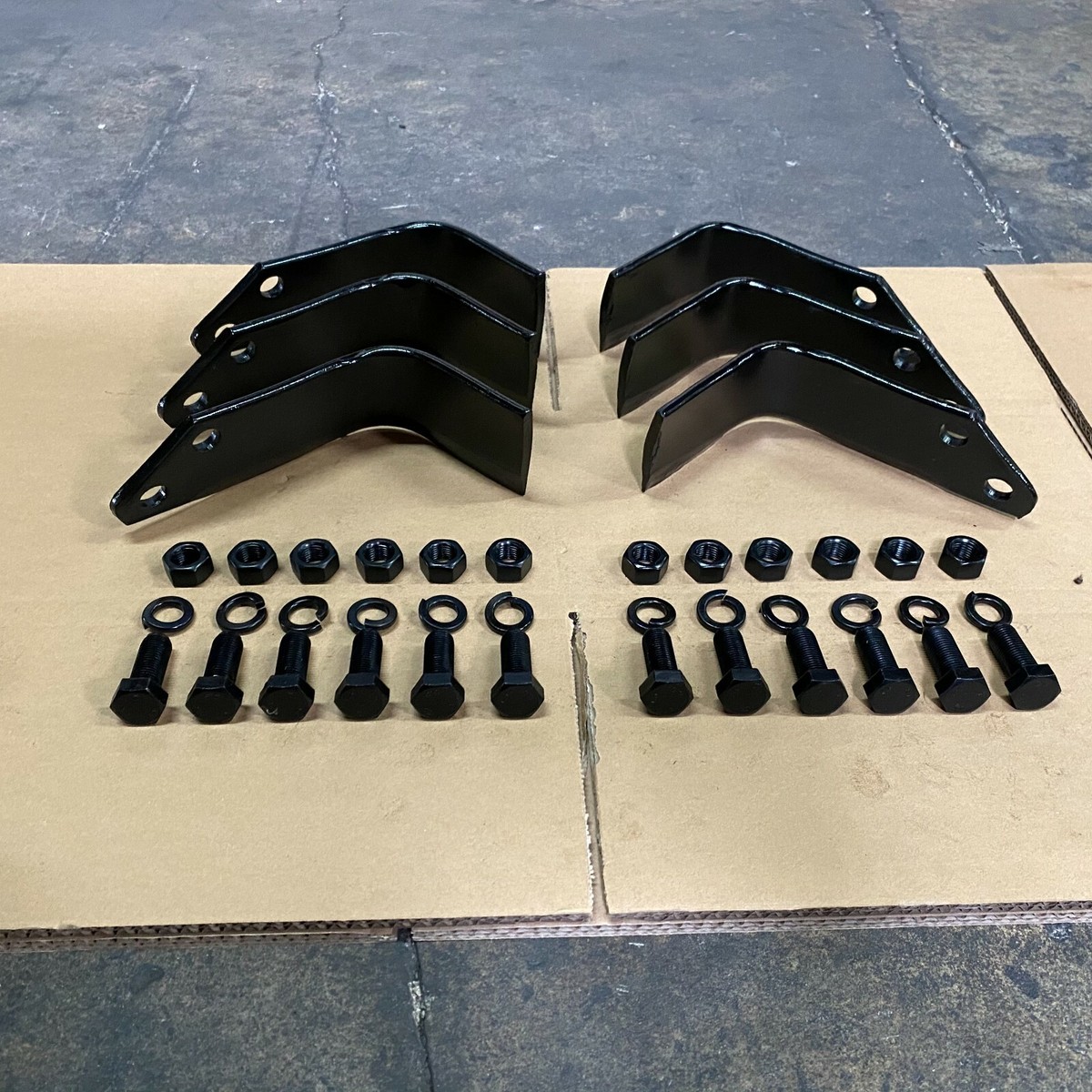
Tines come in shapes that change how they cut. Bolo tines dig deep and mix well. Slasher tines chop weeds better. Pick for your task.
Drive systems matter more than ads say. Gear drives last longer than belts. Sealed gear cases hold up in grit. Look for metal shields over key parts.
Counter-rotating tines help in clay by pulling down into the soil. Dual-rotating lets you switch to suit soil. These features can be the tie-breaker when you decide how to select a best tine tiller.
Ergonomics, weight, and maneuverability
A tiller you can’t control is not safe. Balance should feel neutral. The nose should not dive or wheelie. You should guide it, not fight it.
Check handle height and angle. Your wrists should be straight. Controls should be easy to reach with gloves. Try reverse and depth lever before you buy.
Weight helps traction but hurts turns. On slopes, heavier can hold the line. In tight beds, lighter turns faster. This trade-off is central to how to select a best tine tiller you will enjoy using.
Reliability, warranty, and service
Engines from known makers have better parts support. Gearboxes with steel gears last longer. Ask about shear pins and tine hubs. They should be easy to replace.
Read the warranty details. Some cover engines and frames for different times. Service shops close to you save headaches. Keep the receipt and model number handy.
Trust grows when brands back their tools. That is why, for how to select a best tine tiller, I rank service access as high as specs.
Budget and value by use case
Price should follow need, not the other way. For small plots once a year, a basic front-tine is fine. For new ground or side jobs, invest in a rear-tine with a gear drive.
Watch bundle deals. Spare tines, oil, and covers add real value. A better unit lasts longer and costs less per year. It is smart money.
If you track cost over time, you will see how to select a best tine tiller that pays you back in saved hours and better soil.
Safety, setup, and maintenance essentials
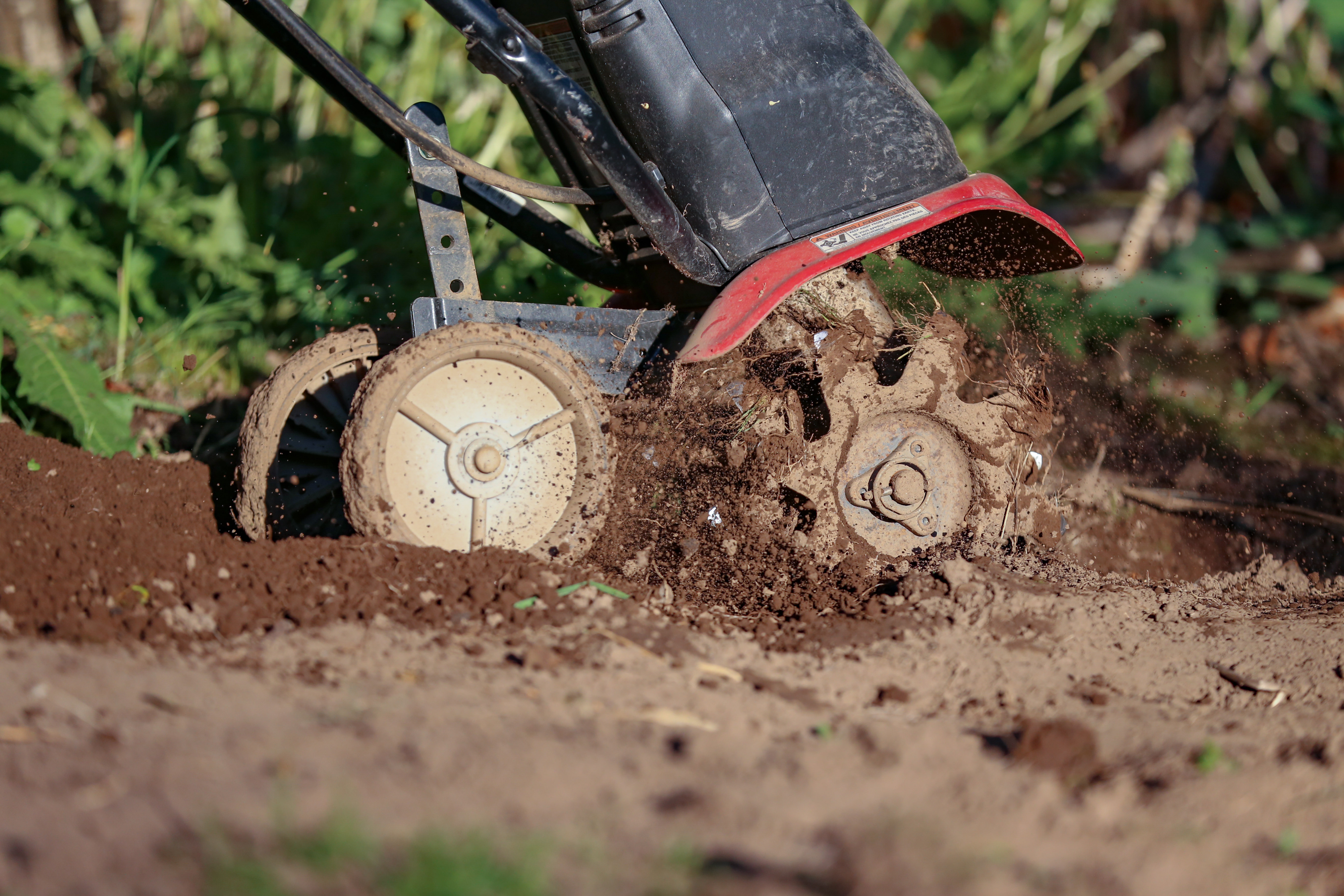
Read the manual. It teaches setup, torque specs, and safety steps. Wear eye, ear, and toe protection. Keep pets and kids out of range.
Before first use, check oil, bolts, and tine pins. After each use, scrape soil off and check for wrap on the shaft. Store dry and covered. Drain fuel for long rests or use stabilizer.
Simple care keeps you safe and the machine strong. This is part of how to select a best tine tiller you can trust for years.
Real-world scenarios and mistakes to avoid
I once tried to break sod with a light front-tine. It bounced and skated. I lost an hour and my temper. A rear-tine with counter-rotating tines did it in two passes.
A friend bought too wide a tiller for raised beds. It hit the frames and tore plants. He later got a mini tiller for beds and kept the big one for fall prep.
Common mistakes:
- Buying too light for clay or sod.
- Ignoring service and parts support.
- Skipping the handle height test.
- Forgetting how far the cord reaches.
Avoid these, and you will know how to select a best tine tiller the first time.
How to test in store or before first use
Do a dry run. Lift the handles, roll it, and test reverse. Check balance with the depth bar at working height. You should feel in control.
Start the engine or power up if allowed. Listen for odd sounds. Engage tines in a demo area or soft soil if offered. Look for smooth drive and no chatter.
If the test feels wrong, walk away. Part of how to select a best tine tiller is trusting your hands, not just the spec sheet.
Frequently Asked Questions of how to select a best tine tiller
What size tiller do I need for a small garden?
For up to 400 square feet, a 10–14 inch front-tine or mini tiller works. It is easy to store and handle in tight beds.
Are rear-tine tillers worth it for clay soil?
Yes, rear-tine models add weight and traction. Counter-rotating tines dig into clay and reduce bouncing.
Gas vs battery: which is better for beginners?
Battery is easier to start and lighter to handle. Gas is better for long runs and heavy soil but needs more care.
How deep should I till for vegetables?
Six to eight inches is enough for most crops. Go shallow for established beds to protect soil life.
How often should I replace tines?
Check wear each season. Replace when tips round off or mixing worsens, often every 2–4 years with regular use.
Conclusion
Now you know the key steps to pick the right machine. Match soil, size, and tine layout. Test ergonomics, check the drive, and confirm support. That is how to select a best tine tiller without regret.
Take one action today. Measure your beds and note your soil type. Use the checklist above to shortlist two models. Ready to dig in? Subscribe for more practical garden gear guides or drop your questions in the comments.