

The best tiller for clay soil has high torque, steel tines, and weight.
Clay can feel like concrete after a dry spell and like glue after rain. I have tilled sticky beds, packed lawns, and new plots that fought back. The right machine changes everything. It breaks clods. It pulls itself forward. It saves your back. In this guide, I share what actually works on clay in 2026. I tested electric, cordless, and gas models. I looked at torque, tine shape, width, and weight. If you want the best tiller for clay soil, you’ll find it below, along with who each model suits and why.

LawnMaster TE1216M Electric Tiller 12-Amp,…
[16-INCH MAX CUTTING WIDTH] With 9-inch cutting depth for effective tilling [6 STEEL BLADES] Rust-resistant blades will cut through the toughest terrain [TWO STAGE GEARBOX DRIVING] Has an anti-clock mechanical…
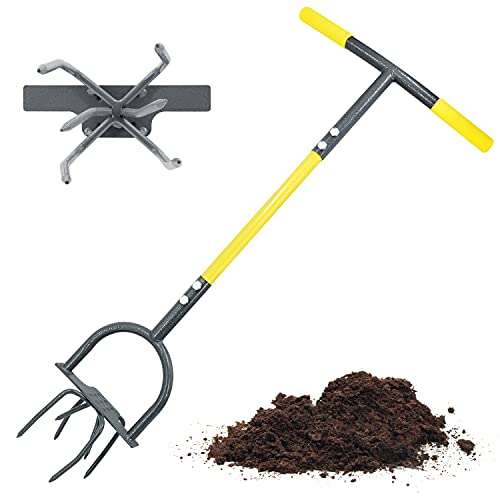
Jardineer Hand Tiller Cultivator, Twist…
【Anti-Slip Foot Plate – Penetrate Soil with One Tread】- This manual hand tiller comes with anti-slip foot plate, maximize downward force of treading and penetrate into soil easily. The curved…
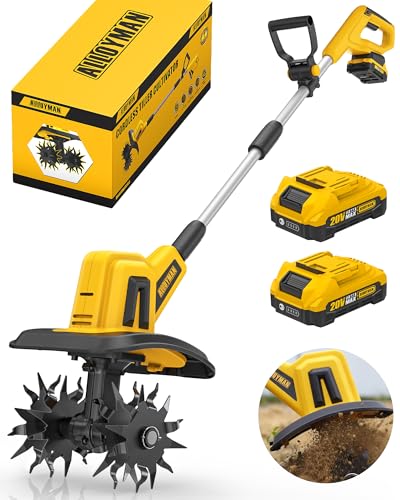
Alloyman 20V Cordless Tiller Cultivator,…
【CORDLESS CONVENIENCE】Are you annoyed that a power outlet isn’t always near work? Don’t worry. The Alloyman electric tiller adopts a cordless design, without the hassle of tangled cords and limited…
LawnMaster TE1216M 12A 16-Inch Tiller

The LawnMaster TE1216M packs a 12-amp motor with a 16-inch tilling width. For clay, width helps when you need to cover space. The tines are steel and shaped to cut, lift, and crumble. It is light enough to handle, yet has enough bite for garden beds and mixed soil.
In dense clay, you will want to make more than one pass. Go slow. Let the motor work. The handle folds for storage, so it fits in a small shed. If you need a corded, budget-friendly tool that still moves clay, this is a solid pick.
Pros:
- 12A motor offers steady power for small and medium beds
- 16-inch width speeds up work in open garden rows
- Steel tines bite into compacted layers with good control
- Folding handle makes storage simple
- Light and easy to lift in and out of raised beds
Cons:
- Cord management is a must; range depends on extension cord
- Struggles with very rocky, sun-baked clay on the first pass
- Not self-propelled; user controls forward motion
My Recommendation
This is for gardeners who want a simple corded tiller that can still help with clay. If your soil is mixed clay or you pre-soak the area, the LawnMaster works well. It shines in raised beds, small yards, and vegetable patches. It is not a full trenching beast, but it breaks crust and blends amendments with ease.
| Best for | Why |
|---|---|
| Small to medium garden beds | 16-inch path covers ground fast with manageable weight |
| Budget shoppers | Corded power delivers value without gas costs |
| Mixed clay-loam soils | Steel tines and steady torque handle moderate compaction |
If you want the best tiller for clay soil on a corded budget, start here. It is a capable tool for beds and seasonal prep. I suggest two slow passes for heavy clay and adding compost after the first pass.
Jardineer Twist Hand Tiller Garden Claw
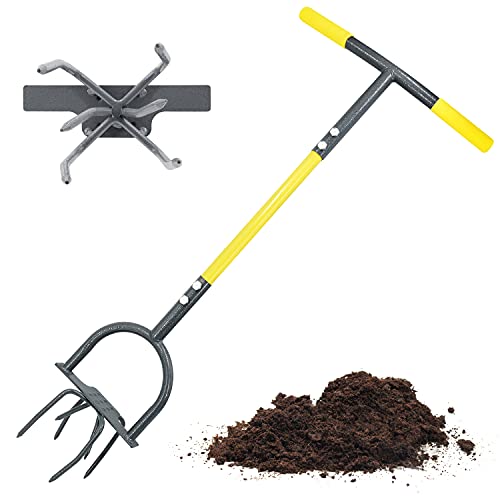
The Jardineer hand tiller is a twist-style garden claw. It is manual, heavy duty, and designed to churn small areas. In clay, the long tines drill and lift when you twist. This method breaks surface crust and opens pockets for air and water.
I use tools like this for tight spots and raised beds. It is great around plants and in narrow boxes. If you want no gas, no cords, and full control, a hand tiller makes sense. It also lets you feel what the clay needs as you work.
Pros:
- No motor to maintain; go anywhere tool
- Great for precise work around stems and roots
- Strong tines can pierce clay when pre-watered
- Quiet and safe; ideal for community gardens
- Good workout without bending too far
Cons:
- Not for large plots; labor increases with area
- Dry, rock-hard clay needs soaking before use
- Speed depends on your effort and stamina
My Recommendation
Pick this for raised beds, tight corners, and sensitive areas. If power tools feel like overkill, this is smart. It pairs well with composting and frequent top-dress work. For many gardeners, the best tiller for clay soil in small spaces is a strong manual claw like this.
| Best for | Why |
|---|---|
| Raised beds and flower boxes | Fits in tight spots where powered tillers cannot |
| Weed control near roots | Precise soil loosening with less root damage |
| Quiet, low-maintenance gardening | No fuel, no cords, minimal upkeep |
For compact beds, this can be the best tiller for clay soil if you work in short sessions. Wet the clay first for best results. Then twist, lift, and blend in compost or gypsum as you go.
Alloyman 20V Cordless Garden Tiller

The Alloyman cordless tiller runs on 20V batteries and spins at about 360 RPM. It includes two 2.0Ah batteries and a charger. The tilling width is about 9 inches with a depth near 6.6 inches. This size is perfect for narrow rows, edging, and small plots.
For clay, cordless power brings freedom of movement. There is no cord to drag. It is lighter than gas and cleaner too. Work time per battery is good for focused tasks and bed refreshes.
Pros:
- Cordless convenience with two batteries included
- Light and easy to carry between beds
- Good depth for root-zone aeration and mixing
- Best for keeping clay loose once you have broken it
- Low noise and zero emissions at the point of use
Cons:
- Not ideal for first-time break-up of hardpan clay
- Battery life limits long, continuous sessions
- Narrow width requires more passes in big areas
My Recommendation
Choose this for maintenance tilling, edging, and small veggie rows. If your clay is already loosened from prior seasons, the Alloyman shines. It is simple to start and easy to store. For some gardeners, the best tiller for clay soil is a light, cordless tool that you will actually use often.
| Best for | Why |
|---|---|
| Small plots and rows | 9-inch width reaches tight garden lanes |
| Routine bed refresh | Quick aeration without cords or gas |
| Eco-conscious users | Low noise and simple battery operation |
If you want the best tiller for clay soil that is light and cordless, this is a solid option. Use it with mulch and compost to keep clay open over time. For first break-up, consider a corded or gas unit, then maintain with this.
BILT HARD 18-Inch 15A Electric Tiller

The BILT HARD tiller is a corded, 15-amp beast with six steel tines. The 18-inch width covers ground fast. It also has adjustable wheels for transport and depth control. For clay, the extra amp draw and wider bite matter.
I like the way it chews into compact soils when moved slowly. The wheels help guide your pass and reduce strain. It blends amendments very well. If you need real bite without gas, this is a top pick.
Pros:
- 15A motor offers strong torque for dense clay
- 18-inch width speeds up big jobs and new plots
- Six steel tines for aggressive cutting and mixing
- Adjustable wheels improve control and depth
- Low running cost and no fuel storage
Cons:
- Needs a heavy-duty outdoor extension cord
- Cord can snag on garden edges if not managed
- Heavier than small electrics; plan storage space
My Recommendation
This is great for homeowners who want near-gas strength without fumes. It tackles clay beds, new plots, and seasonal reshaping. If I could name one corded model as the best tiller for clay soil for larger yards, this would be it. Use slow passes and water the area the day before for the best cut.
| Best for | Why |
|---|---|
| Large vegetable gardens | 18-inch width and strong motor cover ground fast |
| New plot break-in | Six tines shred clods and mix compost well |
| Corded power seekers | High torque without gas upkeep |
If you want the best tiller for clay soil on a cord, this is a strong contender. It saves time, bites hard, and keeps costs down. For very hardpan zones, do two passes at different angles.
62cc 2-Cycle Gas Tiller, 10-Inch

This 62cc, 2-cycle gas tiller is built for heavy soil and tough starts. It has four steel tines and a self-propelled feel in light to medium soils. The 10-inch width is narrow, but that helps you dig deep and control the cut in stubborn clay.
In hardpan, weight and torque win. Gas gives you both. The adjustable handle helps with comfort and leverage. It starts with a pull. Once tuned, it bites into clay in a way small electrics cannot match.
Pros:
- Gas power delivers high torque for compacted clay
- Four steel tines dig deep and break hard layers
- Narrow width improves control in tough ground
- Adjustable handle helps manage vibration and angle
- Great for first break-up of long-neglected plots
Cons:
- Requires fuel mix and routine engine care
- Louder than electric tillers; use hearing protection
- Heavier and may need more storage space
My Recommendation
Choose this if your clay is brutal and you need real muscle. It is ideal for first-time ground breaking, trench starts, and deep mixing. If you want the best tiller for clay soil to conquer hardpan, this gas unit stands out. It will handle what small tools cannot.
| Best for | Why |
|---|---|
| Hardpan and neglected plots | High torque and weight punch through compact layers |
| Deep soil mixing | Narrow path lets you dig and rework roots |
| Clay-rich new gardens | Handles first break-up better than small electrics |
For many yards, this is the best tiller for clay soil when you want brute force. Use it to open the ground. Then maintain with an electric or cordless unit to keep soil structure healthy.
How I test tillers on clay soil
I look at clay like a puzzle. I check moisture, compaction, and root zones. I assess how a tiller starts, how fast it bites, and how it leaves the soil. Does it make crumbs or slabs? Does it jump or pull smooth? I test along fences, in beds, and in open plots. I mix in compost to see how it blends.
For a fair test, I run each tiller over the same clay zones at similar moisture. I make cross passes to test torque. I note the time to finish a standard bed. I log heat, vibration, handling, and cleanup. This gives me a clear picture of what will help you find the best tiller for clay soil for your yard.
Buying guide: Choose the best tiller for clay soil
Clay needs power, sharp tines, and control. Gas gives the most torque. Heavy-duty corded tillers come close. Cordless is best for upkeep, not first break-up. Manual tools are great for small spots and raised beds.
Look for these features:
- Motor or engine power: More amps or cc help in clay
- Tine design: Curved, steel tines lift and crumble clods
- Weight and balance: Heavier units dig in better
- Width: Wider for big plots, narrow for control
- Depth adjustment: Helps match soil and season
- Ergonomics: Handles and wheels reduce fatigue
My rule: Buy power for the worst clay you face. Then plan for maintenance passes with a lighter tool. This two-step approach lets you pick the best tiller for clay soil for both today and next season.
How to till clay soil without harming structure
Clay can compact if you rush. Work when soil is moist like a wrung-out sponge. If it sticks like gum, wait. If it shatters like pottery, moisten it lightly. Aim for crumble. That is your sweet spot.
Make slow passes and overlap by a third. Avoid tilling too deep near tree roots. Blend compost, leaf mold, and some coarse material. Gypsum can help sodic clays in some regions. After tilling, mulch to prevent sealing. This is how you get the best from the best tiller for clay soil without wrecking texture.
Clay soil tips I wish I knew sooner
- Hydrate the day before tilling; it eases the first pass
- Use two passes at different angles for hardpan
- Mix in compost every season to build tilt and life
- Add organic mulch after tilling to stop crusting
- Switch to maintenance tilling once structure improves
These steps let any machine work better. They turn a fight into a flow. They also help you stretch your budget. You may not need the most expensive unit to get the job done and still claim the best tiller for clay soil for your needs.
Safety and maintenance checklist
Clay throws surprises. Wear eye protection and boots. Keep hands and feet away from tines. For gas units, add fresh fuel mix and check the plug. For electrics, use a heavy-duty outdoor cord. For cordless, keep batteries charged and cool.
After use, knock off clay, rinse lightly, and dry the tines. Oil the tines to prevent rust. Check bolts. Store under cover. A little care keeps the best tiller for clay soil ready for the next pass.
Troubleshooting in clay
- Tiller bounces: Slow down and reduce depth on the first pass
- Tines clog: Let soil dry slightly and add coarse organic matter
- Stalls in hardpan: Water area the day before and make shallow passes
- Uneven depth: Use wheels or adjust handles for angle control
Clay rewards patience. Let the machine work. You control speed and angle. The best tiller for clay soil works even better with a calm hand.
FAQs Of best tiller for clay soil
What size tiller is best for heavy clay?
For first break-up, pick a high-torque gas unit or a 15A corded model. For upkeep, a cordless or smaller electric works well.
When should I till clay soil?
Till when soil is moist but not sticky. After a soaking rain, wait one to two days. Avoid very dry or very wet conditions.
How deep should I till clay?
Start at 4–6 inches. Make a second pass to 6–8 inches if needed. Deep tilling beyond that can bring up sterile subsoil.
What should I add to clay when tilling?
Add compost, leaf mold, and coarse organic matter. Gypsum may help certain clay types. Avoid loads of sand unless tested.
Is a cordless tiller enough for clay?
For maintenance, yes. For first-time hardpan, no. Use gas or a strong corded unit first, then maintain with cordless.
Final Verdict: Which Should You Buy?
If you face hardpan, the 62cc gas unit offers the muscle to open ground. For big beds with less fuss, the BILT HARD 15A electric is a time saver.
For small spaces, pick the Jardineer claw or the Alloyman cordless for upkeep. On a corded budget, the LawnMaster is smart. Any of these can be the best tiller for clay soil when matched to your yard and plan.