

The best tiller for rocky soil pairs strong torque, hardened tines, and smart safety features.
If your yard hides more stones than soil, you know the struggle. Rocks kick, tines jam, and motors stall. I’ve been there, picking gravel from tines and wishing for more bite and less bounce. The right tool changes everything. It saves your back, protects your plants, and keeps your project on schedule. Below, I break down what actually works in rocky beds, how to use it without breaking parts, and which models give you the best shot at safe, steady progress. If you want the best tiller for rocky soil for your exact space and budget, you’re in the right place.

Sun Joe Electric Garden Tiller…
Powerful Electric Tiller: Electric rototiller provides efficient soil preparation in your lawn or garden with 3-position wheel adjustment for optimal depth and control Low-Maintenance Design: Electric powered for cleaner, greener…
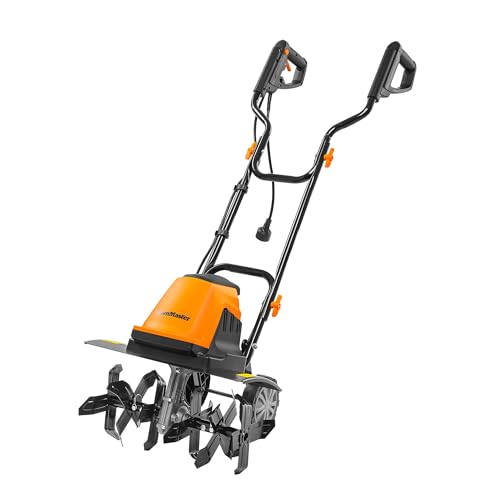
LawnMaster 13.5 Amp 18” Electric…
EFFICIENT SOIL CULTIVATION: 6 rust-resistant steel blades cut through rough terrain at 380-RPM 18-INCH MAX CUTTING WIDTH: Designed for medium to large sized gardens with an impressive 9-inch depth for…
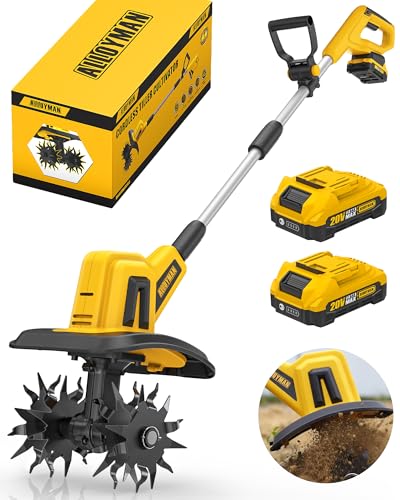
Alloyman 20V Cordless Tiller Cultivator,…
【CORDLESS CONVENIENCE】Are you annoyed that a power outlet isn’t always near work? Don’t worry. The Alloyman electric tiller adopts a cordless design, without the hassle of tangled cords and limited…
Sun Joe TJ603E 16-Inch 12-Amp Tiller

The Sun Joe TJ603E is a popular pick because it blends a 12-amp motor with a 16-inch path. That width lets you move fast in open beds while still fitting between rows. The steel tines bite well in mixed loam and gravelly patches. For rocky soil, the combination of power and manageable weight helps keep control when you hit small stones.
On stony ground, I use a shallow first pass. With the Sun Joe, that early skim helps the machine skip less and keeps tines from snagging. The compact chassis is easier to pivot in tight beds. If you need the best tiller for rocky soil under a tight budget, this one earns a careful look.
Pros:
- 12-amp motor offers solid power for compacted beds
- 16-inch width covers ground fast on open plots
- Steel tines handle small to medium stones with steady passes
- Light enough to maneuver around roots and borders
- Simple electric start; no gas, no fumes
Cons:
- Front-tine design can jump on bigger rocks
- Cord management needed; use a 12–14 gauge outdoor cord
- Best for small to mid-sized gardens, not acres
My Recommendation
If your plot has scattered rocks and hard patches, this is a smart first step. It’s not a bulldozer, but it is forgiving, easy to guide, and affordable. I’d call it the best tiller for rocky soil for new homeowners who want power without heavy weight. It shines in raised beds, small yards, and anywhere you’ll make multiple shallow passes.
| Best for | Why |
|---|---|
| Small to mid gardens | 16-inch width balances speed and control |
| Beginners on rocky soil | Light, predictable handling with reliable torque |
| Budget buyers | Strong value without gas maintenance |
LawnMaster TE1318M 18-Inch 13.5A Tiller

When you want more bite, the LawnMaster steps up with a 13.5-amp motor and an 18-inch path. That extra amp draw helps when you meet packed gravel and clay. The wider cut saves time on larger beds. For rocky soil, the added torque is the standout feature, as it helps pull through light obstructions with fewer stalls.
Weight balance matters when stones deflect the tines. This model feels grounded enough that you can steer it back into the row quickly. If your soil is stubborn but not full of fist-sized rocks, this is a strong contender. Many users will find it the best tiller for rocky soil when they want a bigger swath without going to gas.
Pros:
- 13.5-amp motor delivers stronger torque for hardpan
- 18-inch width speeds up big garden prep
- Electric convenience with push-button start
- Good control for a wider front-tine unit
- Better at breaking crust than lighter models
Cons:
- More width can feel bulky in tight beds
- Cord management is key; use a heavy-duty outdoor cord
- Still front-tine, so big rocks can bounce it
My Recommendation
If you’re tackling compacted ground with lots of pea gravel, pick this. It has the muscle to start beds that have not been tilled in years. I’d list it as the best tiller for rocky soil for mid-size yards that need more power per pass. It suits gardeners who want pace but still need electric simplicity.
| Best for | Why |
|---|---|
| Mid to large garden rows | 18-inch width cuts prep time |
| Compacted, gravelly loam | Extra amps help resist stalling |
| Electric-first gardeners | Strong torque without gas hassle |
Alloyman 20V Cordless 9-Inch Tiller

The Alloyman cordless tiller trades raw power for freedom and finesse. With a 9-inch width and up to 6.6 inches of depth, it’s made for precise bed prep. The twin 2.0Ah batteries keep it going for small to medium jobs. If you need a light machine that won’t yank on a cord while you dodge rocks, this is a pleasant change of pace.
In rocky soil, cordless shines for stop-and-go work. You can focus on shallow passes, lift out stones, and keep moving. The 360 RPM design helps nibble at crust without lunging. For narrow beds, raised gardens, or spot-cultivation in rocky areas, it can be the best tiller for rocky soil when maneuverability matters most.
Pros:
- Cordless freedom is great around obstacles and beds
- Light weight reduces fatigue on rocky ground
- 9-inch width fits between rows and tight spaces
- Two batteries included help extend runtime
- Gentle start reduces sudden lurches on stones
Cons:
- Not as powerful as corded or gas units
- Best for smaller jobs due to battery limits
- Front-tine; large rocks still demand hand clearing
My Recommendation
Choose this if you want control and calm in rocky beds. It is a solid choice for raised beds, urban plots, and older gardeners who value light handling. I’d call it the best tiller for rocky soil when you need accuracy, not brute force. It is ideal for maintaining beds after the heavy breaking work is done.
| Best for | Why |
|---|---|
| Raised beds and borders | Compact width and cordless control |
| Quick cultivation | Fast start, easy stops around rocks |
| Low-impact gardening | Light weight and smooth handling |
BILT HARD 18-Inch 15A Electric Tiller

Need maximum electric torque? The BILT HARD 15-amp tiller adds serious punch. With six steel tines and an 18-inch path, it chews through crusty patches fast. That extra amperage is the closest you’ll get to gas power in a plug-in package. On rocky ground, more muscle means fewer stalls and faster recovery when tines nick stone.
The adjustable wheels help set a workable depth for rocky beds. Start shallow to avoid jamming, then lower for deeper cuts once the top layer loosens. If your soil is packed and peppered with small rocks, this can be the best tiller for rocky soil without stepping up to a gas rear-tine beast. It’s built to push hard, then keep going.
Pros:
- 15-amp motor for strong, steady torque
- 18-inch width covers large beds quickly
- Six steel tines for aggressive bite
- Adjustable wheels improve control on rocky terrain
- Great value for heavy electric performance
Cons:
- Heavier; needs firm grip when rocks deflect
- Cord management essential; use proper gauge
- Front-tine bounce on large rocks still possible
My Recommendation
This is my pick for tough electric tilling on mixed rocky clay. It’s for people who want gas-like drive but prefer a plug. If you need the best tiller for rocky soil to rehab a neglected plot, start here. It will handle repeated shallow passes and reward patience with solid progress.
| Best for | Why |
|---|---|
| Hard, neglected beds | 15A power blasts through crust |
| Large garden rows | 18-inch width speeds the job |
| Value seekers | High power without gas upkeep |
BILT HARD 18-Inch 14A Electric Tiller

This 14-amp BILT HARD keeps the 18-inch coverage but trims a bit of draw. The result is a strong, steady tiller with adjustable wheels and foldable handles for storage. The 8-inch depth rating is useful, though I suggest shallow cuts first on rocky ground. It feels balanced and confident for a front-tine unit, which helps when stones get in the way.
With six front tines, it can chew through sod and rough soil in stages. Rock-prone beds demand patience rather than force. This model responds well to light, repeated passes. If you want the best tiller for rocky soil that balances power, control, and storage, this is a well-rounded option.
Pros:
- 14A motor is strong for most home gardens
- 18-inch cut makes quick work of rows
- Adjustable wheels and foldable handle add convenience
- Up to 8-inch depth after staged passes
- Good handling for a wide front-tine frame
Cons:
- Still needs careful use around larger rocks
- Corded; plan your path and cord gauge
- Less punch than the 15A sibling on hardpan
My Recommendation
Pick this if you want a capable, space-saving workhorse for mixed soil. It’s a fine balance of width, power, and user-friendly design. For many homeowners, it can be the best tiller for rocky soil if you value storage and steady performance over maximum brute force. It’s a smart “do-most-things-well” machine.
| Best for | Why |
|---|---|
| Home gardeners | Strong power, easy storage |
| Mixed rocky beds | Controlled depth with adjustable wheels |
| All-season upkeep | Good for spring prep and fall cleanup |
How I test tillers in rocky soil
Rocky soil is not a single type. It ranges from sandy gravel with stones to clay with embedded rock. I test on a mix of those, plus pathways and raised beds. Each unit does shallow passes first, then deeper cuts once the top layer breaks.
I watch for forward lurching, tine jamming, and stall recovery. I measure how quickly the machine re-centers on the row after bouncing off a rock. I also note hand fatigue. The best tiller for rocky soil is the one that stays controllable even when stones fight back.
I test cord management for electric units. That includes recommended extension-cord gauge, heat buildup, and tripping risk. With cordless models, I track runtime per battery and recharge time.
Buyer’s guide: choosing the best tiller for rocky soil
Start with power and tines. Electric motors list amps; more amps usually mean more torque. Steel tines matter. Hardened steel and a smart shape improve bite and reduce deflection.
Pick width for your space. Wider units work fast in open rows. Narrow units fit between plants and borders. If you garden in tight beds, a 9–16 inch width is very manageable.
Control and safety matter with rocks. Adjustable wheels and variable depth help. A tiller that lets you start shallow and go deeper in steps will protect your tines and wrists. A quick-release safety bar or easy shutoff is crucial.
Front-tine vs rear-tine: Front-tine tillers are light and nimble. They can bounce more on large rocks. Rear-tine, counter-rotating gas units rule on extreme rocky soil, but they cost more and weigh more. If you are set on electric, the best tiller for rocky soil is a strong front-tine with careful technique.
Corded vs cordless: Corded delivers continuous power. Cordless brings freedom and control. For frequent rocky soil prep, corded often wins. For small plots and raised beds, cordless can be a joy to use.
Safe technique for rocky ground
Go shallow first. I start with one to two inches. This uncovers loose rocks and reduces kickback. I stop often to pick stones up. A bucket in the aisle saves steps.
Use short passes. Let the tines chew, not leap. If the tiller hops, raise the wheels or lighten your grip. Angle the tool slightly and guide it back. The best tiller for rocky soil will reward patience; speed comes later.
Wear boots, gloves, and eye protection. Rocks can shoot out. Keep pets and kids away. Work when the soil is moist but not wet. Mud grabs tines and hides hazards.
Maintenance tips that extend tool life
After use, hose off the tines. Brush away grit. Check for bends or chips. A little oil stops rust. Tighten bolts that can loosen from vibration.
For corded units, inspect the plug, switch, and cord. Use the right gauge extension cord to prevent heat and voltage drop. For cordless, store batteries in a cool, dry place and charge to about half if you won’t use them for a month.
Keep a spare shear pin if your tiller uses one. That cheap part can save your gearbox when a tine locks on a rock. The best tiller for rocky soil is not just tough—it’s easy to service.
Which is truly the best tiller for rocky soil?
It depends on how rocky and how big your space is. If you want electric muscle that can handle stubborn ground, the BILT HARD 18-Inch 15A Electric Tiller stands out. It brings the torque to push through crust, yet it’s still manageable for home use.
If you value handling and budget, the Sun Joe TJ603E is tough to beat. For mid-size beds that need a little more drive, the LawnMaster TE1318M balances power and width. If cordless control is key, the Alloyman is simple and nimble. The 14A BILT HARD gives you a space-saving blend of power and storage-friendly design. All can be the best tiller for rocky soil when matched to the right job and technique.
Real-world setup for success
Walk the bed first. Remove anything larger than a golf ball. Flag root zones for established shrubs. Plan a path that keeps the cord behind you if you go electric.
Make two to three shallow passes. Between each pass, rake and remove loosened stones. Then go deeper. Your speed increases on the third pass. This approach protects tines and prevents sudden lurches.
Use compost or well-rotted manure as you go. Blend organic matter once rocks are out of the top layer. Over time, your rocky soil turns friable. A well-chosen machine plus patience makes the best tiller for rocky soil even more effective.
FAQs Of best tiller for rocky soil
Can I use a front-tine tiller on very rocky soil?
Yes, but go slow and shallow. Remove larger rocks by hand. For extreme rocky ground, a rear-tine gas tiller with counter-rotating tines is safer and faster.
What tilling depth should I start with on rocky ground?
Start at 1–2 inches. Make multiple passes. Increase depth only after the top layer is loose and most rocks are out.
Do I need a special extension cord for a corded tiller?
Use a heavy-duty outdoor cord, typically 12–14 gauge for 50–100 feet. This prevents voltage drop and overheating.
How do I stop the tiller from bouncing on stones?
Reduce depth, slow your pace, and hold a steady but relaxed grip. Angle the machine slightly and let the tines nibble, not jump.
Which model is the best tiller for rocky soil for beginners?
The Sun Joe TJ603E offers friendly handling and solid power. It’s a great starter pick for small to mid gardens.
Final Verdict: Which Should You Buy?
If you need strong electric torque for tough plots, pick the BILT HARD 18-Inch 15A Electric Tiller. It offers power, width, and control that make rocky beds less scary.
For lighter handling and budget value, the Sun Joe TJ603E is the best tiller for rocky soil for most beginners. Choose based on your space, rock load, and comfort with cords.