
CFM is the air volume a leaf blower moves per minute—its muscle.
If you’ve ever asked what does cfm mean on a leaf blower, you’re in the right place. I test outdoor tools for real yards with real mess. In this guide, I explain the numbers, show what they mean on the lawn, and help you pick the right blower with confidence.

What CFM Means, In Simple Terms
CFM stands for cubic feet per minute. It tells you how much air the blower moves in one minute. Think of it like the size of the shove, not the speed of the swing.
If you’ve wondered what does cfm mean on a leaf blower, here it is in plain words: higher CFM means more air volume, so you can push bigger piles and cover more area. MPH is the air speed. Both matter, but CFM often decides how well debris actually moves. In short, more CFM helps when leaves are heavy, damp, or packed down.
Mathematically, CFM equals air speed (in feet per minute) times nozzle area (in square feet). If you know MPH, multiply by 88 to get feet per minute, then multiply by the nozzle opening area. That is why a wide tube can raise CFM but lower MPH.
In my yard tests, high CFM made the big difference with wet oak leaves and pine needles. Speed helped edge work. Volume moved the load.
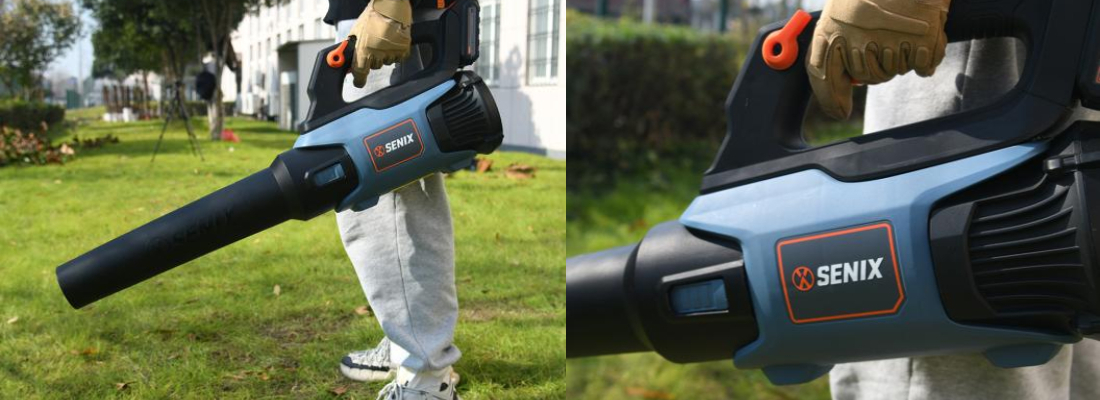
Why CFM Matters For Real-World Jobs
Here is why CFM matters day to day. It moves mass. It keeps clumps rolling. It clears the ground in fewer passes.
I often hear people search what does cfm mean on a leaf blower when their current tool feels weak. If your blower only has high MPH and low CFM, the air can feel sharp but thin. It may scatter dry bits and leave heavy piles stuck. A stronger CFM stream hits like a broad push and keeps debris sliding.
Quick checks you can use:
- Dry leaves on hard surfaces need moderate CFM. High MPH helps steer.
- Wet leaves or matted grass need high CFM. A tapered nozzle helps break loose edges.
- Needles and acorns need higher CFM to roll, plus smart airflow control.
Does a higher CFM always clean faster? Often yes, but not alone. You still need enough speed to aim and cut through dense spots.

How Manufacturers Measure CFM (And What To Watch)
Most brands publish CFM at the blower tube. Some list it at the housing, which can be higher and less useful. Tube attachments and bends reduce volume. So always check the fine print.
When brands explain what does cfm mean on a leaf blower, they may include best-case numbers. Real output drops with restrictive tips, clogged filters, or low battery. Some tests use ideal lab setups. Field results vary.
To compare fairly:
- Look for CFM at the nozzle, not just at the fan.
- Note the tube diameter used in testing.
- Check if there is an ANSI-based method. Some brands also share Newtons, a force measure from standardized tests.
In my shop, I see up to a 15–25% swing between open-tube CFM and a narrow tip. That is normal.
CFM vs MPH vs Newtons: Which Metric Should You Trust?
CFM is volume. MPH is speed. Newtons is total blowing force. Newtons combine volume and speed into one number. This is helpful since it reflects work done on debris.
To settle what does cfm mean on a leaf blower vs mph in practice, think tasks. Large piles need volume. Tight cracks need speed. If a brand lists Newtons, use it to compare across models. If not, favor higher CFM for bulk clearing and adequate MPH for control.
Rules of thumb I use:
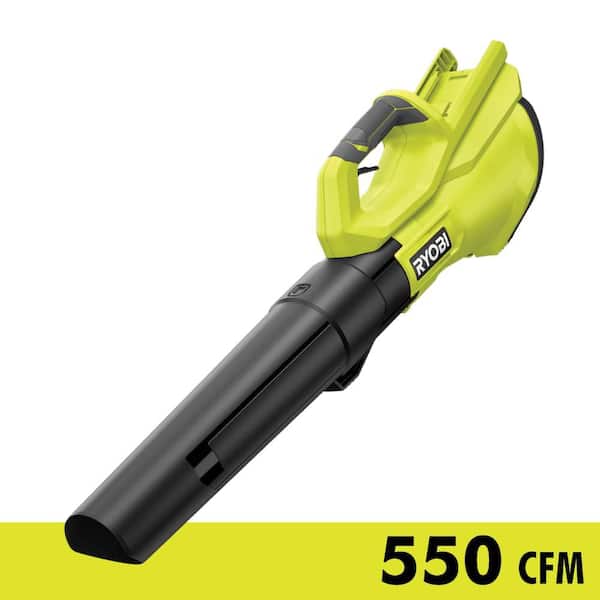
- Over 500 CFM feels strong for most home jobs.
- Over 600–700 CFM handles wet leaves and needles better.
- Above 900 CFM is pro-level and common on backpack blowers.
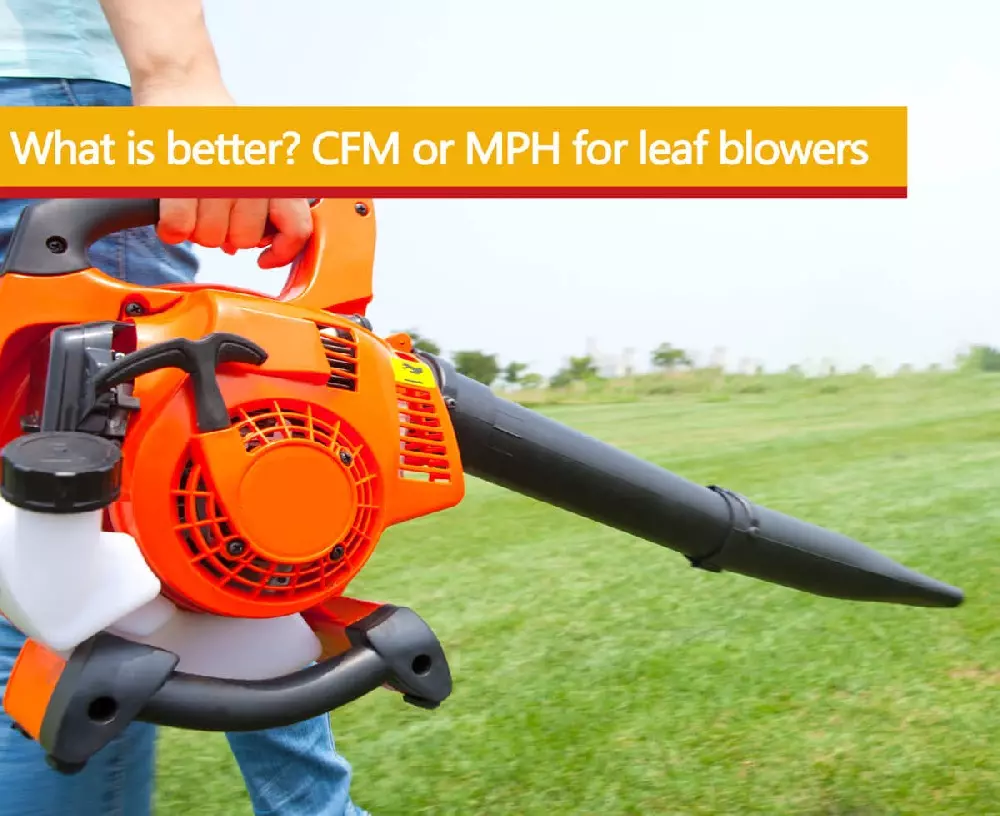
How To Choose The Right CFM For Your Yard
If you ask what does cfm mean on a leaf blower for small yards, it means time saved and less backtracking. Match the CFM to your space, debris, and surfaces.
Suggested ranges:
- Small patios and cars: 200–350 CFM
- Suburban yards with fall cleanup: 450–650 CFM
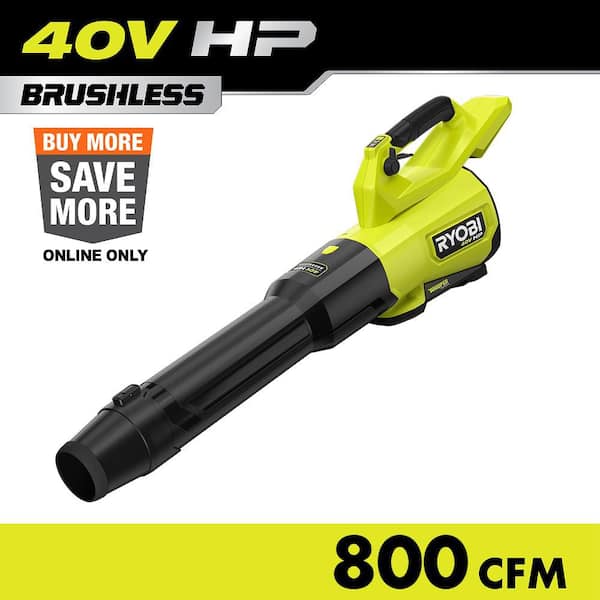
- Heavy leaf drop or wet zones: 600–800+ CFM
- Large lots and pro work: 800–1,100+ CFM (often backpack)
Other factors that help:
- Variable speed for control on gravel.
- Turbo for short bursts on wet mats.
- Wider tube for volume, tapered tip for aim.
Rhetorical check: Is 600 CFM enough for wet leaves? Often yes, if you also use a tapered nozzle and slow, steady passes.
Nozzle Design, Tube Diameter, And Airflow Losses
Another angle on what does cfm mean on a leaf blower is nozzle size. A wider tube raises volume but drops speed. A narrow tip raises speed but can cut volume. You need balance.
Key notes:
- Smooth bends keep CFM higher. Sharp bends cause losses.
- Removable tips are great. Use wide for piles and narrow for edges.
- Debris in the tube lowers CFM. Keep it clean.
My mistake early on was running a narrow tip for every job. It gave nice control but slowed big pile moves. Swapping to a wide tube first, then a narrow tip to finish, cut my time in half.
Battery, Gas, Or Corded: How Power Source Affects CFM
Shoppers who wonder what does cfm mean on a leaf blower also ask about power type. Power source shapes airflow.
- Battery: Great for most homes. Top 56–80V units now hit 600–800+ CFM. Max CFM needs a full, warm battery.
- Gas: Still leads on raw, sustained CFM in backpacks. Heavier and louder. More upkeep.
- Corded: Stable power and decent CFM for the price. Limited range.
Tip from field work: Store batteries at room temp. Cold packs sag and cut CFM. Warm them before heavy tasks.
How To Test Your Leaf Blower At Home
To feel what does cfm mean on a leaf blower in your hands, try a quick bag test. You will not get lab-grade data, but you will see trends.
Simple test:
- Use a large trash bag with a known volume. For example, 39 gallons is about 5.2 cubic feet.
- Seal it around the nozzle. Time how long it takes to fill.
- CFM is bag volume divided by fill time in minutes. If it fills 5.2 cubic feet in 2 seconds (0.033 minutes), that is about 158 CFM at that condition. Expect lower than spec due to leaks.
Also try a force feel test:
- Push a fixed pile for 10 seconds. Note how far it moves.
- Swap tubes or speeds. Compare movement. Bigger push hints at higher effective volume or force.
Common Buying Mistakes And How To Avoid Them
A big trap in what does cfm mean on a leaf blower is chasing the highest single number. Specs without context can mislead.
Avoid these:
- Ignoring tube size used in testing.
- Overlooking runtime at high CFM on battery units.
- Skipping weight and balance. A heavy tool tires you faster, which slows real work.
- Buying low CFM for heavy yards. You will spend more time and effort.
Better plan:
- Match CFM to debris and lot size.
- Check real runtime at high speed.
- Hold the tool if you can. Comfort turns into speed.
Maintenance Tips To Keep Your CFM High
Over time, what does cfm mean on a leaf blower shifts from a spec to real output. Dust, wear, and weak batteries lower airflow.
Keep CFM strong:
- Clean the intake screen and tube after each use.
- For gas, replace the air filter and check the spark arrestor.
- For battery, keep packs out of extreme heat and cold.
- Inspect the impeller. Remove caked dirt or string that can cut airflow.
I once gained back 10–15% performance by cleaning a clogged intake on a backpack unit. The fix took five minutes.
Safety, Noise, And Local Rules
If kids ask what does cfm mean on a leaf blower, remind them it is powerful air. More CFM can kick up dust and small stones. Use eye and ear protection.
Be a good neighbor:
- Work at reasonable hours.
- Use lower speeds near people or pets.
- Check local leaf blower rules. Some places limit noise or gas use.
Higher CFM often means higher sound levels at full blast. Variable speed helps keep peace and still get the job done.
Frequently Asked Questions of what does cfm mean on a leaf blower
What does CFM measure on a leaf blower?
CFM measures how much air the blower moves each minute. It reflects volume, which drives how well you push piles.
Is CFM more important than MPH?
For big piles and wet leaves, CFM often matters more. MPH still helps with control and tight spots.
How much CFM do I need for a typical yard?
Aim for 450–650 CFM for most suburban yards. Go higher, 600–800+, if you have heavy fall cleanup.
Do nozzle attachments change CFM?
Yes. Wide tubes raise CFM but lower speed, while narrow tips raise speed and can cut CFM. Use both as needed.
Can I measure CFM at home?
You can estimate with a trash bag fill test. It is rough but shows differences between settings or tools.
Conclusion
CFM is the volume engine behind your leaf blower’s real work. Once you match CFM to your yard and debris, cleanup gets faster, easier, and more satisfying. Use the tips here to compare models, test at home, and keep airflow strong.
Ready to act? Pick a target CFM for your yard, try a few models, and note how they move a test pile. Want more guides like this? Subscribe or leave a question, and I will help you find the right setup.