
Warm the engine, tip safely, drain old oil, refill with fresh 10W-30.
If you want to know how to change oil in honda lawn mower the right way, you’re in the perfect place. I’ve serviced dozens of Honda walk-behind mowers, and I’ll show you the exact steps, tools, specs, and pro tips I use so you can do it fast, clean, and with confidence.

Why oil changes matter on Honda mowers
Fresh oil keeps the engine cool, clean, and well-lubed. Dirty oil leads to hard starts, poor cutting power, and early engine wear. Change the oil after the first 5 hours on a new engine, then every 50 hours or once per season. If you mow in dust or heat, change it more often.
Oil breaks down with heat and time. It collects metal particles and carbon. That sludge turns into sandpaper inside your engine. Learning how to change oil in honda lawn mower models is the easiest way to add years of life to your machine.

Tools, parts, and specs you need
Gather these before you begin:
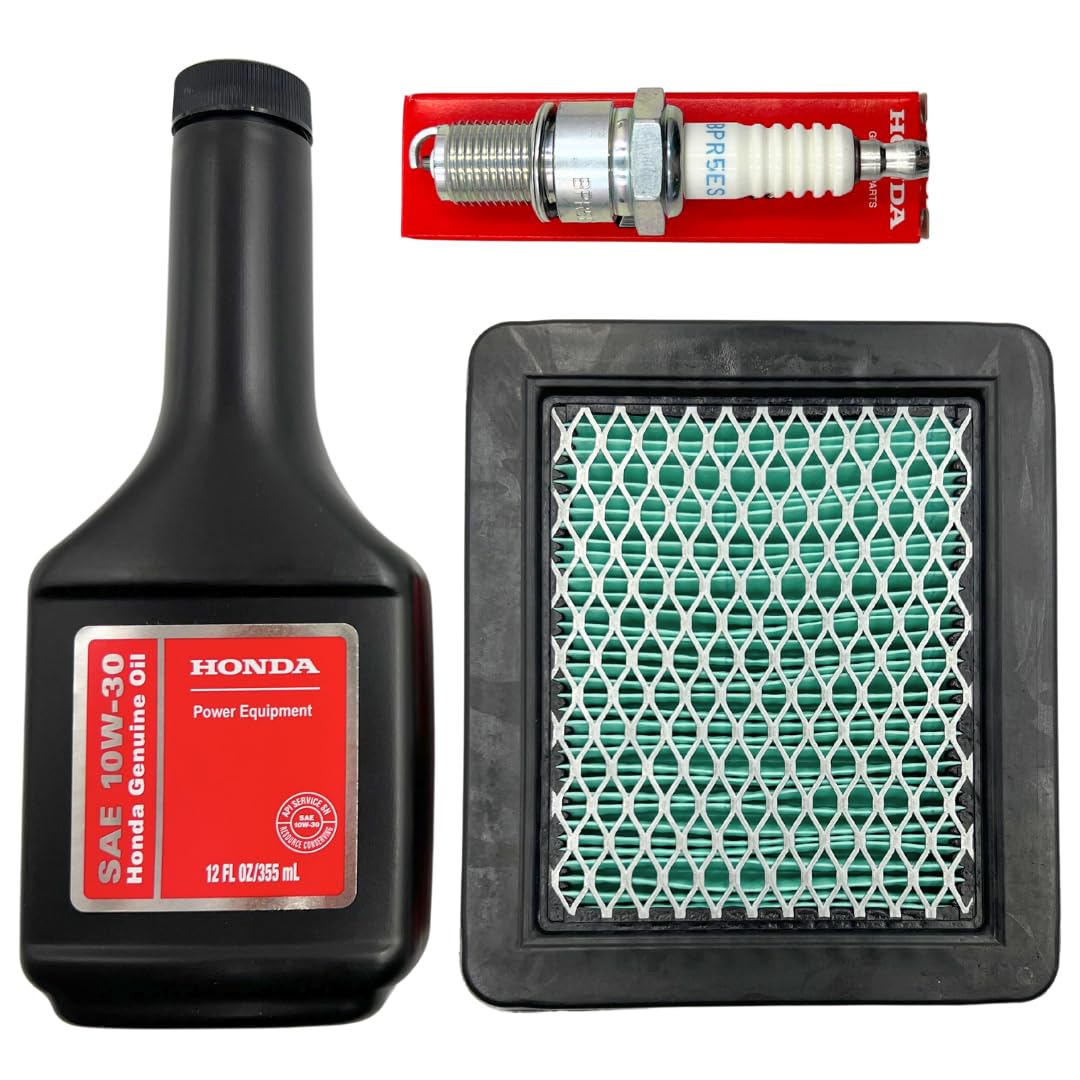
- Engine oil. Use SAE 10W-30 that meets API SJ or later. Synthetic or conventional both work.
- Capacity. Check your manual. Many Honda walk-behind engines take 12–20 oz. Some GCV160/190-style engines use about 18.6 oz (0.58 qt). Newer GCV170 may use closer to 14–16 oz.
- Basic tools. Funnel, drain pan, paper towels, gloves, and a small measuring container.
- Optional items. 12 mm socket or wrench for models with a drain plug, new crush washer, shop rags, cardboard to catch drips.
- Safety. Eye protection and a block of wood to support the mower if needed.
If you’re searching how to change oil in honda lawn mower for the first time, pre-measure your new oil so you don’t overfill. Always confirm with the dipstick.
Step-by-step: how to change oil in Honda lawn mower
This is the method I use on customer mowers every spring. It takes about 15–20 minutes, including cleanup.
- Warm up the engine
- Run the mower for 2–3 minutes. Warm oil drains faster and carries more debris.
- Move to a flat surface. Shut the engine off. Unplug the spark plug wire. Turn the fuel valve off, or clamp the fuel line if your model lacks a valve.
- Prepare to drain
- Place a drain pan on the side where oil will exit.
- Remove the oil fill cap/dipstick.
- Drain method A: No drain plug (most newer Honda mowers)
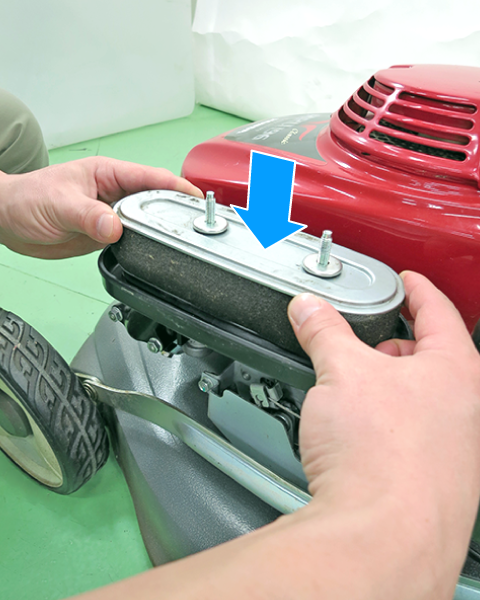
- Tip the mower with the air filter and carburetor up to prevent fuel and oil from soaking the filter.
- Let the oil pour out of the fill tube into the pan. Gently rock the blade with a gloved hand to help oil flow.
- Wait 2–3 minutes until it slows to a drip.
- Set the mower back level and wipe any spills.
- Drain method B: With a drain plug (some HRX/HRR and older models)
- Keep the mower level over the pan.
- Remove the drain plug carefully. Let oil flow out fully.
- Replace the crush washer if used. Reinstall and snug the plug per the manual. If a spec isn’t handy, tighten firmly but do not overtighten.
- Refill with fresh oil
- Add about three-quarters of the listed capacity first.
- Wait 60 seconds. Check the dipstick without threading it in (Honda style).
- Top off to the upper mark. Do not overfill.
- Reinstall the cap.
- Start and recheck
- Reconnect the spark plug wire. Turn fuel back on.
- Start the engine and let it idle for 60–90 seconds.
- Shut it off. Wait a minute. Recheck the level and add a splash if needed.
- Record your service
- Note the date and hours (or estimated mow time). This makes the next oil change simple.
If you came here to learn how to change oil in honda lawn mower models without making a mess, this routine keeps it neat, quick, and safe. Repeat how to change oil in honda lawn mower every season, and your engine will reward you with smooth power.
Model-specific notes and common variations
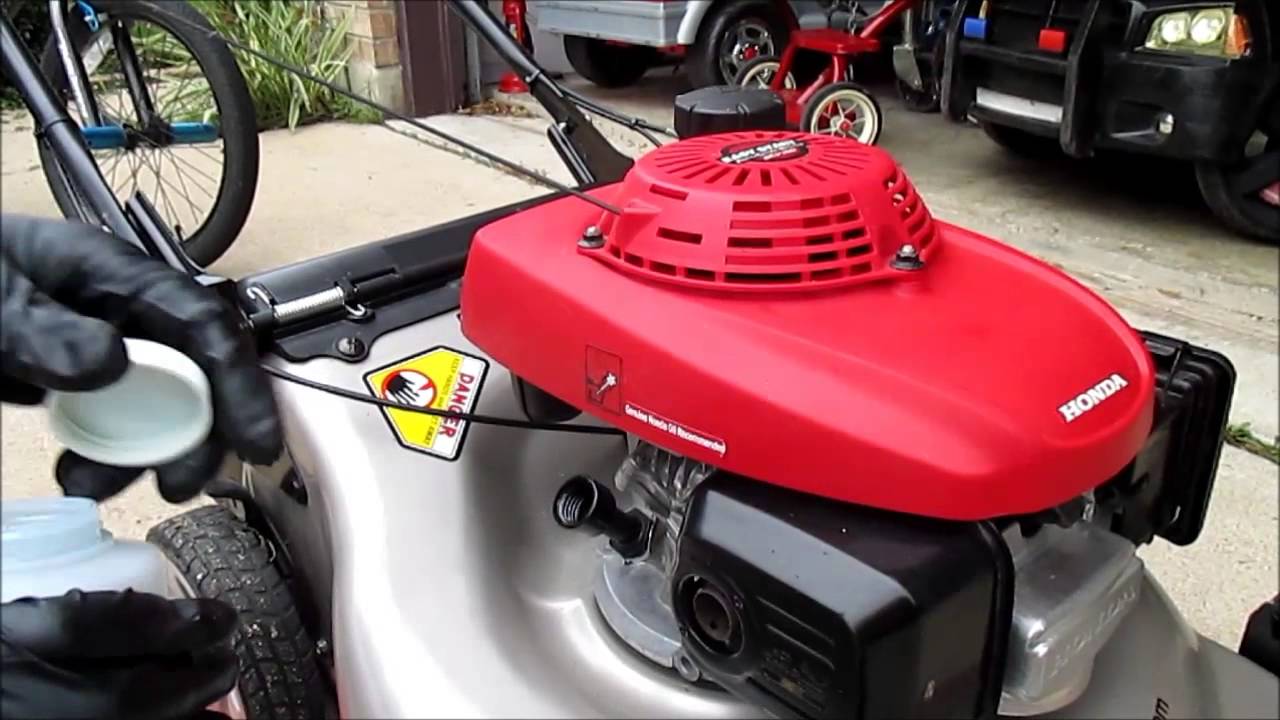
- HRN series (often GCV170). Many units are drain-by-tilt only. Capacity often falls around 14–16 oz. Confirm on the dipstick.
- HRX series (many use GCV190/GCV200). Some versions include a drain plug; others are tilt-drain only. Capacity is often closer to 18–20 oz.
- HRR and HRS series. Similar to HRX/HRN. Check for a drain plug and confirm tilt direction.
- Electric-start versions. Disconnect the negative battery cable before service.
- Tilt direction. Always tip with the air filter and carburetor up to avoid soaking the filter with fuel and oil.
When in doubt, the dipstick is your truth. If you’re unsure how to change oil in honda lawn mower on your exact model, check the engine label and manual for capacity and tilt guidance.
Pro tips, mistakes to avoid, and my field notes
- Pre-measure the oil. It prevents overfill, the number one mistake I see.
- Never tip the mower with the air filter down. You’ll flood the filter and carb.
- Change oil at the end of the season while the engine is warm. That removes acids before storage.
- Use a low-profile drain pan and cardboard. Your driveway will thank you.
- My goof to learn from. I once topped to the brim on an HRX. It smoked like a chimney. I drained 2–3 oz, ran it 5 minutes, and it cleared up. Don’t chase smoke until you confirm the level.
If a friend asks me how to change oil in honda lawn mower without problems, these are the exact reminders I share.

Eco-friendly cleanup and disposal
- Wipe spills right away. A rag with a splash of degreaser cleans most spots.
- Pour used oil into a sealed jug.
- Take it to any auto parts store or local recycling center that accepts used oil. Many are free.
- Never dump oil outside or in the trash. It’s bad for the soil and illegal in many areas.
Doing this right makes how to change oil in honda lawn mower better for your yard and your community.

Troubleshooting after an oil change
- Blue smoke after startup. Likely overfilled or oil entered the muffler. Check the level. If high, drain a few ounces. Light smoke often clears in a few minutes.
- Won’t start. Confirm the spark plug wire is on, the fuel valve is open, and the air filter is not oil-soaked. Replace the filter if it’s wet.
- Oil leak. Check the drain plug, dipstick O-ring, and case seam. Clean, run briefly, and inspect again.
- Milky oil. That’s moisture. Change it, run the engine to full warm, and store in a dry spot.
If you’re still learning how to change oil in honda lawn mower and see these issues, don’t panic. Work the checklist, and you’ll sort it out.

Maintenance schedule and quick checklist
- New engine. Change at 5 hours.
- Regular use. Every 50 hours or at least once per season.
- Heavy dust or heat. Shorten to every 25 hours.
- Storage tip. Change oil after your final mow of the year, then run 1–2 minutes.
Quick checklist you can screenshot:
- Warm engine and secure mower
- Fuel off and plug wire off
- Drain oil by tilt or plug
- Refill to upper mark
- Start, recheck, log the date
Follow this and you’ll never need to ask how to change oil in honda lawn mower twice. It becomes a simple habit.
Frequently Asked Questions of how to change oil in honda lawn mower
What oil type should I use?
Use SAE 10W-30 that meets API SJ or later. Synthetic is fine and can handle heat better, but conventional works well if you change it on time.
How often should I change the oil?
Change after the first 5 hours on a new engine, then every 50 hours or once per season. If you mow in dust or heat, change it more often.
How much oil does my Honda mower take?
Many Honda walk-behind engines use 12–20 oz. Check your manual and verify with the dipstick; never rely on capacity alone.
Can I tip the mower any direction to drain oil?
No. Always tip with the air filter and carburetor up. This prevents fuel and oil from soaking the air filter and making the engine hard to start.
What if I overfill the oil?
Drain a few ounces through the fill tube or plug, then recheck. If it smoked, run the engine a few minutes after correcting the level to burn off residue.
Do Honda walk-behind mowers have oil filters?
Most do not have an oil filter. That’s why timely oil changes matter so much.
Conclusion
You now know how to change oil in honda lawn mower the clean, safe, and reliable way. Gather the right tools, warm the engine, drain fully, refill to the mark, and log your work. Do it once per season and your Honda will cut cleaner, start easier, and last longer.
Ready to get it done today? Pull out your mower, follow the steps above, and enjoy that first smooth start. If you found this helpful, share it with a neighbor, subscribe for more yard-care guides, or leave a comment with your model and any questions.