
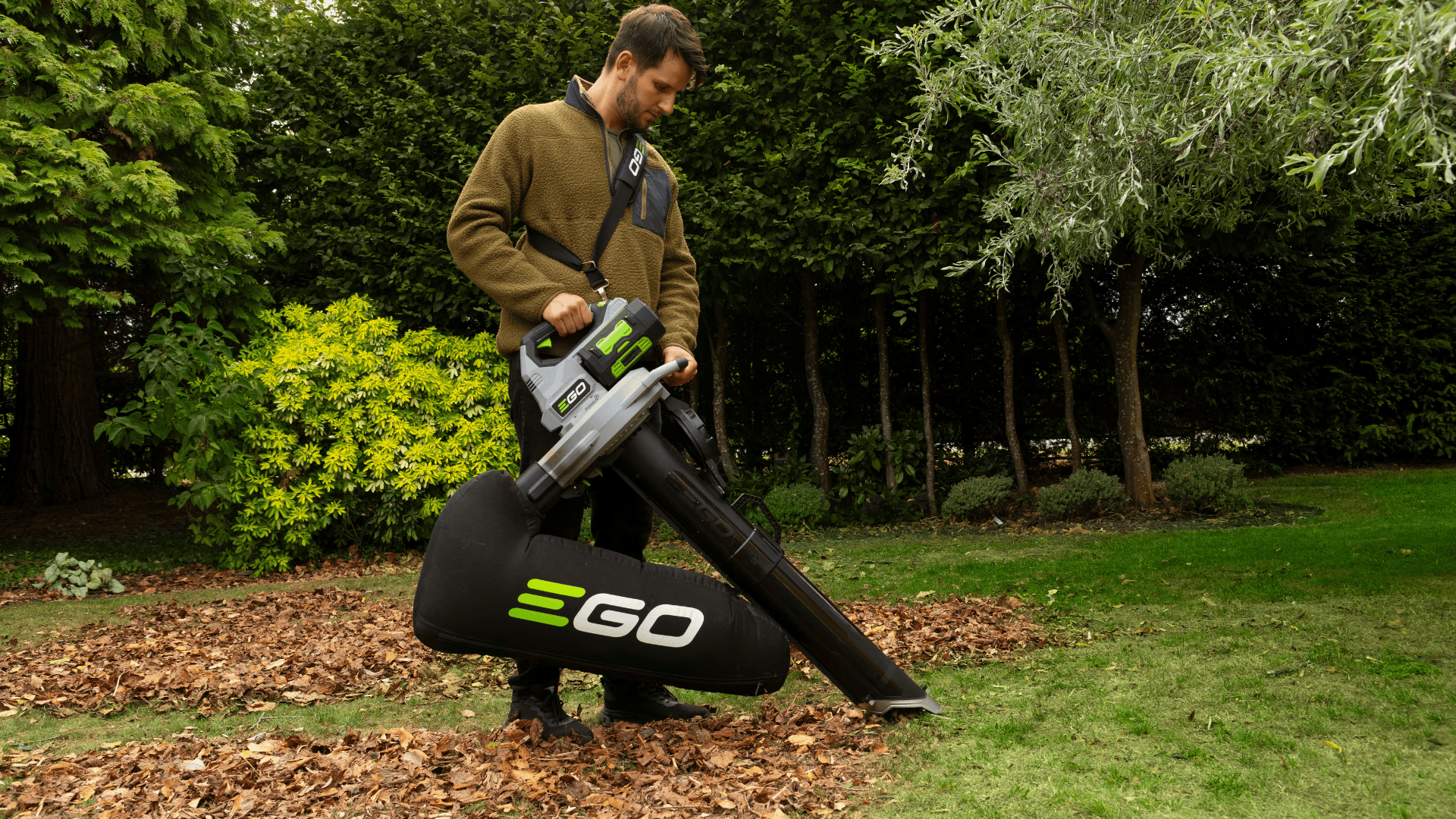
A leaf blower uses a motor-driven fan to pull in air and blast it out fast.
If you’ve ever wondered how does a leaf blower work, you’re in the right place. I’ve used gas, corded, and battery blowers on small yards and big jobs. In this guide, I’ll break down how does a leaf blower work with clear steps, simple terms, and real tips you can use today. By the end, you’ll know how to pick, use, and care for the right blower like a pro.
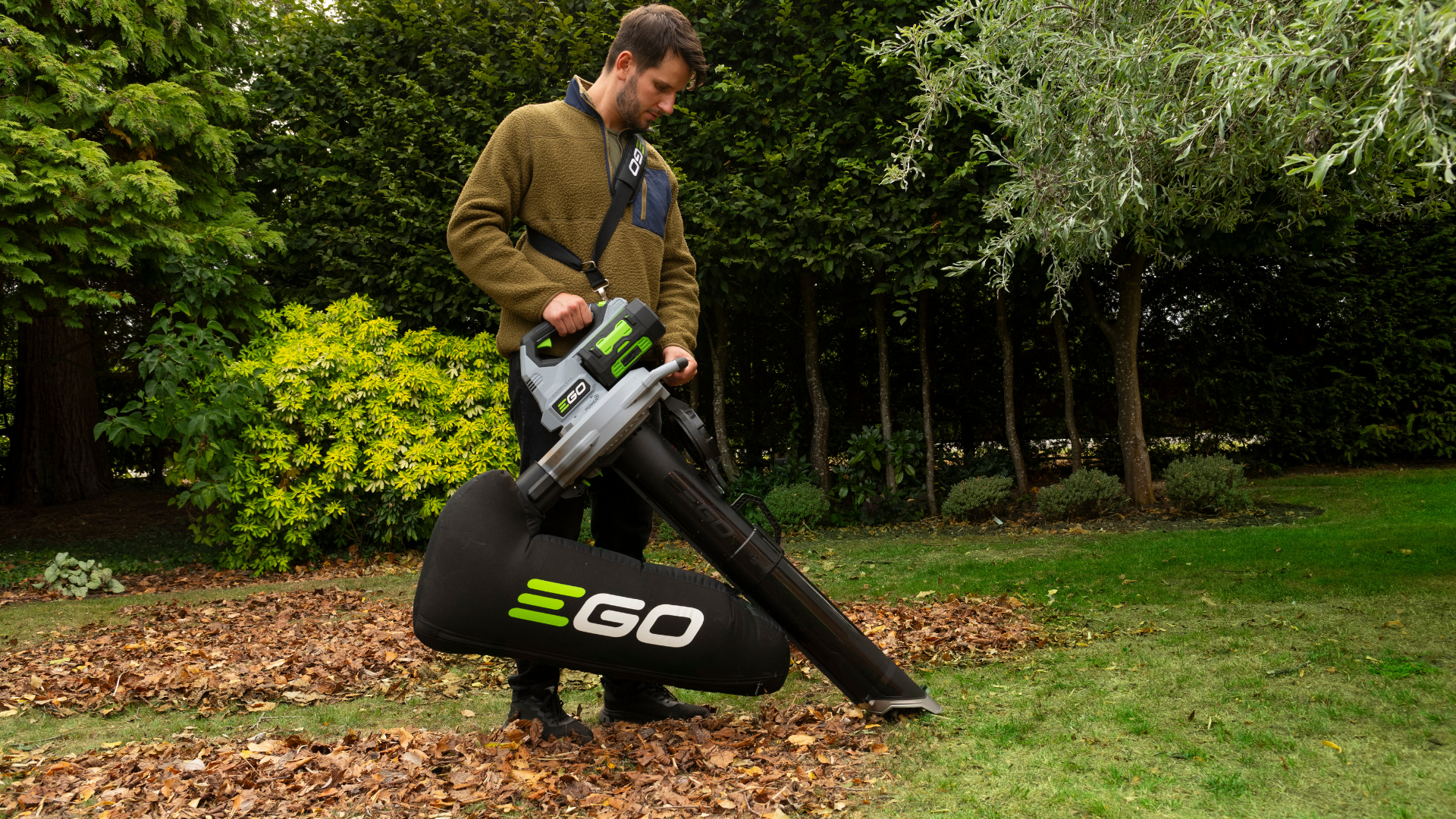
The Core Idea: How a Leaf Blower Works
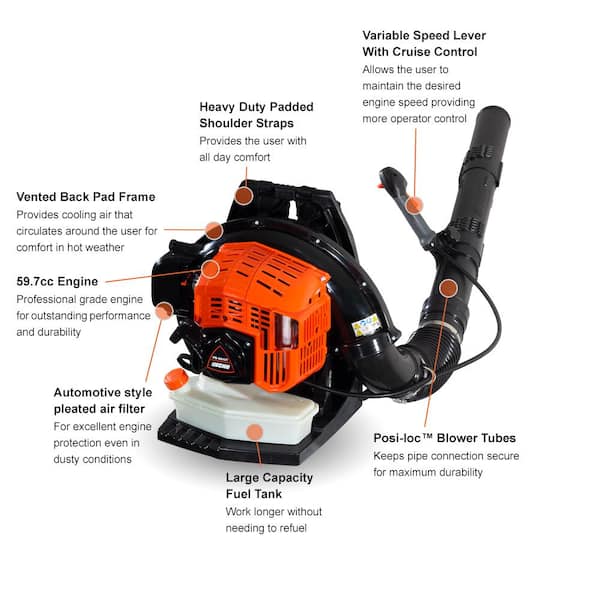
At its heart, a leaf blower is an air pump. The motor spins a fan, called an impeller. The impeller pulls in air and pushes it into a narrow tube. This raises air speed and creates a strong jet that moves leaves and debris.
So, how does a leaf blower work during use? Air enters through intake vents. The impeller throws the air outward into a round shell. This shell is shaped to guide air into the tube. As the tube narrows, air speeds up. The fast air transfers momentum to leaves and dust. That is what does the pushing.
Many people ask how does a leaf blower work compared to a vacuum. Some models can do both. In vacuum mode, the airflow reverses and sends debris to a bag. In blower mode, it sends air out to move debris away.

The Key Parts You Should Know
Understanding the parts shows how does a leaf blower work in real life.
Motor types
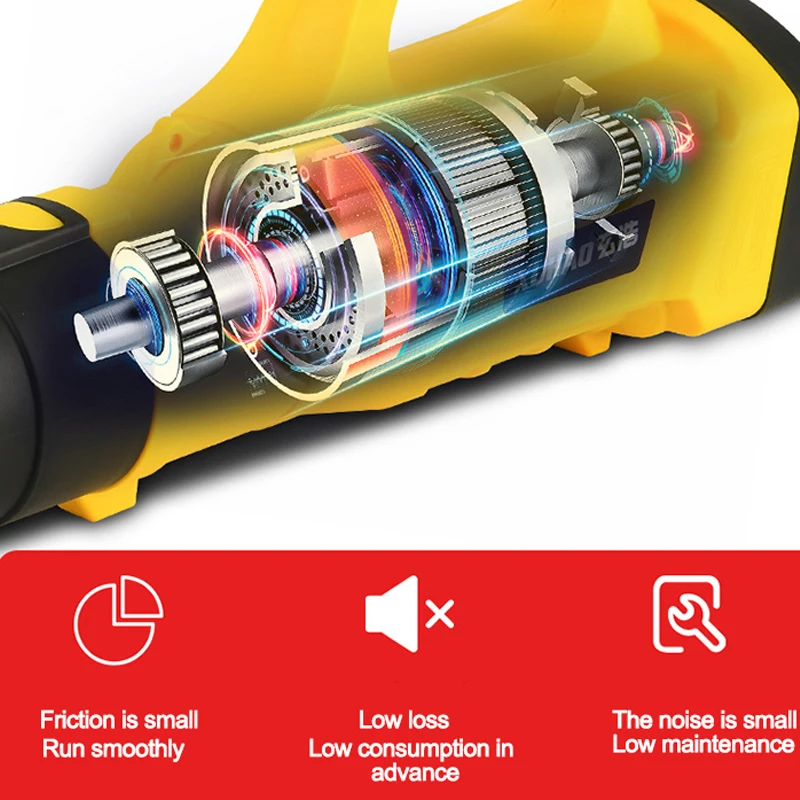
- Brushed DC motors are common in budget corded and cordless units. They are simple but wear faster.
- Brushless DC motors are in most mid and high-end cordless models. They are efficient, quiet, and strong.
- Two-stroke gas engines are light and powerful. They need a fuel-oil mix and make more noise.
- Four-stroke gas engines run cleaner and use straight gas. They are heavier but quieter for the power.
Impeller and housing
- The impeller is a curved-blade fan. It grabs air and throws it outward.
- The housing shapes the airflow and reduces turbulence. A good shape boosts power.
Intake and filters
- Intakes feed the fan. Screens stop sticks and stones.
- Filters keep dust out of the motor. Clean filters protect power and life.
Tubes and nozzles
- Wide tubes move large piles. Narrow tips raise speed for stuck leaves.
- Some nozzles lock in place. Others twist to change the pattern.
Airflow, CFM vs MPH, and What Really Moves Leaves
Two numbers matter most: CFM and MPH.
- CFM (cubic feet per minute) is airflow volume. Higher CFM moves more leaves at once.
- MPH (miles per hour) is air speed. Higher MPH breaks loose wet or stuck debris.
- Static pressure shows how well air holds speed against resistance, like grass or gravel.
A simple rule: CFM gathers. MPH frees. If you push a big pile, focus on CFM. If you fight wet leaves, focus on MPH. Both matter, so balance is key.
An example helps. A 600 CFM, 120 MPH blower moves more volume than a 400 CFM, 160 MPH unit. But the 160 MPH unit hits harder at a small spot. This is why nozzle shape changes feel. It is also why how does a leaf blower work depends on your yard.
Types of Leaf Blowers
There are three styles. Each changes how does a leaf blower work for you day to day.
- Handheld blowers are light and easy to store. They work best for small yards and patios.
- Backpack blowers shift weight to your back and hips. They give high CFM and long run times.
- Walk-behind blowers are for big lots. They move huge air but need storage space.
Power sources change use too.
- Gas units offer endless run time with refuel. They are loud and need more care.
- Corded electric units are light and cheap. You need to manage a cord.
- Cordless battery units are quiet, clean, and easy. They need charged packs and spare batteries for long jobs.
From my work, a good 56–80V cordless blower is enough for most homes. For wet leaves or large drives, a backpack gas unit saves time. That real split shows how does a leaf blower work best when matched to your space.
Nozzle Choices and Techniques That Work
Nozzles change how does a leaf blower work at the ground.
- Round nozzles keep volume high. They are best for dry piles and light debris.
- Flat nozzles raise speed for stubborn spots. They shine along edges and seams.
- Tapered nozzles balance both for everyday use.
Try these simple moves:
- Sweep in a U shape. Pull leaves from the edges toward a center line.
- Keep the nozzle low and tilt it shallow. Let air skim across the surface.
- For wet leaves, pulse the trigger and use a flat tip. Break the hold, then gather with a round tip.
- Along gravel, back off the throttle. Use less speed so you do not fling stones.
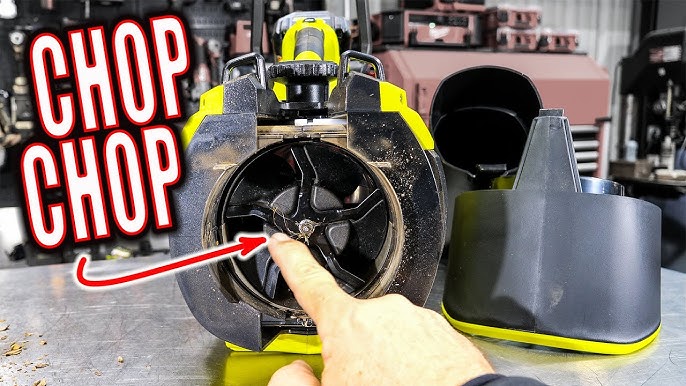
Many combo tools can mulch. In vacuum mode, the impeller chops leaves before they reach the bag. This is how does a leaf blower work when it doubles as a leaf mulcher. It cuts bag trips and speeds composting.
Maintenance, Safety, and Troubleshooting
Care and safe habits decide how does a leaf blower work over time.
Maintenance basics:
- Clean or replace the air filter often.
- Check and clear the intake screen after each job.
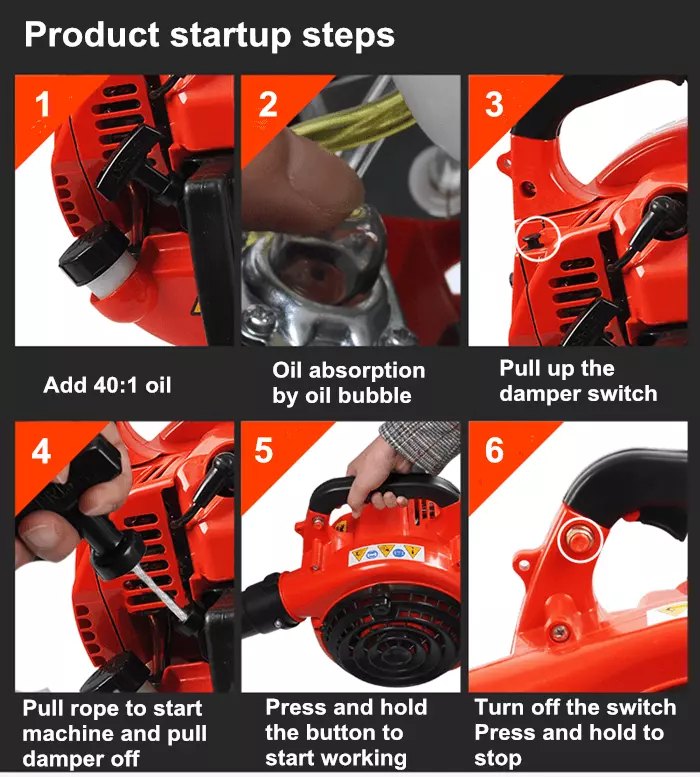
- For gas units, use fresh fuel, the right oil mix, and a clean spark plug.
- For batteries, store at room temp, and avoid full empty. Keep contacts clean.
- Inspect tubes and nozzles for cracks and loose fit.
- Wipe dust from vents so the motor stays cool.
Safety musts:
- Wear eye protection. Blown grit can hurt fast.
- Use hearing protection, especially with gas blowers.
- Wear a dust mask when pollen or ash is in the air.
- Watch for pets, kids, and cars. Do not point at people.
- Run gas units outdoors only.
Quick fixes:
- Weak airflow? Check for clogged screens, dirty filters, or loose tubes.
- Won’t start (gas)? Confirm fuel mix, primer bulb, and choke use. Check the plug.
- Won’t start (battery)? Seat the pack, charge it, and check safety switches.
- Vibration or odd noise? A stick may be in the impeller. Power off before you check.
Real-World Performance: What I Learned On The Job
I learned this the hard way: nozzle control beats raw power. With a 700+ CFM backpack, I once blasted wet leaves into the lawn. They stuck harder. I switched to a flat tip, lowered the angle, and pulsed the throttle. The leaves lifted, then a round tip moved them fast.
Here is another lesson on how does a leaf blower work best. On long drives, I start far from the pile zone. I use wide sweeps to funnel debris toward one corner. This saves steps and time. Small changes in angle and distance can double your pace.
For daily home use, I now pick a 600 CFM cordless with a 5–8 Ah pack. It runs long enough to do the front and back walkways. I keep a spare pack for fall cleanup. This simple setup shows how does a leaf blower work when you plan for power and run time.
Environmental Impact and Etiquette
Blowers move air fast. That means noise and dust. It also means rules in some towns.
- Check local hours for blower use.
- Point the nozzle down and away from open doors and windows.
- Use lower speed when near neighbors or pets.
- Pick cordless electric to cut emissions and noise.
- Avoid blowing dirt into streets or storm drains.
Smart habits make a big difference. Good care and good manners are part of how does a leaf blower work well in a community.
Frequently Asked Questions of how does a leaf blower work
How does a leaf blower work in simple terms?
A motor spins a fan that pulls in air and pushes it out a tube. The fast air moves leaves by momentum and pressure.
How does a cordless leaf blower work compared to a gas one?
A cordless unit uses a battery and an electric motor, often brushless. A gas unit uses a small engine. Both move air the same way, but power, noise, and upkeep differ.
How does a leaf blower work on wet leaves?
You need more air speed and steady control. Use a flat nozzle, lower the angle, and pulse the trigger to free them before gathering.
How does a leaf blower work as a vacuum or mulcher?
Some models reverse airflow to suck debris into a bag. The impeller shreds leaves to reduce volume before bagging.
How does a leaf blower work best for big piles?
High CFM gathers piles faster, while enough MPH breaks stuck leaves. Use a wide sweep and funnel debris toward one spot.
How does a leaf blower work safely around gravel?
Reduce speed and use a shallow angle. Skim the surface so you move leaves without tossing stones.
How does a leaf blower work better with the right nozzle?
Round tips move more volume. Flat tips increase speed at the edge, which helps on mats and seams.
Conclusion
You now know how does a leaf blower work from the inside out. The motor spins a fan, the housing guides air, and the nozzle turns flow into force. Match CFM and MPH to your yard, pick the right nozzle, and use calm, steady moves.
Ready to put this into action? Choose a blower that fits your space, try the sweep patterns above, and set a simple care routine. Want more helpful guides like this on how does a leaf blower work and how to pick the right gear? Subscribe, bookmark this page, or leave a question so I can help you dial in your setup.