
Most leaf blowers fail to start due to bad fuel, weak spark, or clogged air.
If your leaf blower does not start, you are not alone. I have fixed hundreds in shops and on job sites. This guide shows you what fails, why it fails, and how to fix it fast. We will cover gas, battery, and corded models. You will learn clear steps, what to avoid, and when to call a pro.

Why your leaf blower does not start: a fast checklist
When a leaf blower does not start, think simple first. You need fresh fuel or full power, clean air, strong spark, and compression. Miss one, and the engine will not fire.
Run this in order:
- Check the stop switch is on and the throttle lock is set. Many no-starts are switch or trigger issues.
- Use fresh fuel. Two-stroke mix older than 30 days can block start.
- Prime the bulb 5 to 10 presses until fuel moves in the line.
- Set choke to full. Pull 3 to 5 times. Move to half choke and pull again.
- Inspect the air filter. Clean or replace if soaked or clogged.
- Remove the spark plug. If wet, you may be flooded. Dry or replace.
- Test for spark with a tester. No spark points to plug, coil, or switch.
- Check the fuel lines and the fuel filter. Cracks or air leaks stop flow.
- For battery units, test the pack in another tool. Swap batteries if you can.
- For corded tools, test with a known good outlet and cord.
If your leaf blower does not start after these, go deeper below.

Know your blower type before you wrench
Each type fails in a different way. The fix depends on the power source and the engine design.
- Two-stroke gas models use mix fuel. Most call for 50:1 with high octane and low ethanol. They hate stale gas.
- Four-stroke gas models use straight gas and oil in the crankcase. Wrong oil or overfill can block start.
- Battery models need a healthy pack, clean contacts, and a live control board.
- Corded models fail from bad cords, worn brushes, or a dead switch.
When a leaf blower does not start, match the steps to your type. It saves time and parts.
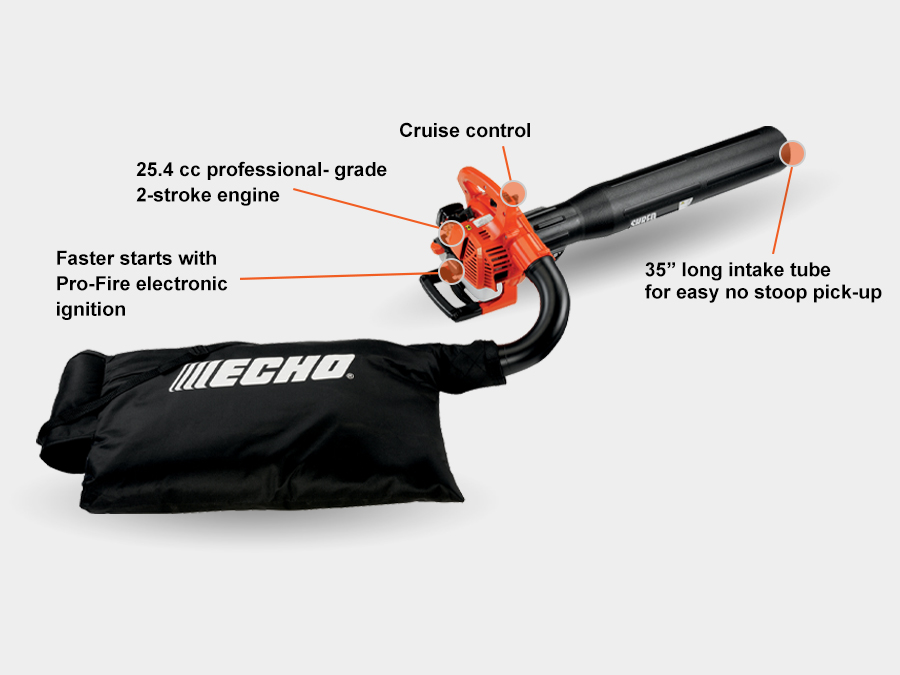
Step-by-step troubleshooting for a gas leaf blower that does not start
I use this flow in the field. It is fast and safe.
Step 1: Fuel first
- Dump old fuel. Mix a fresh batch with the right ratio. Use 89+ octane with up to 10% ethanol or less.
- Add a fuel stabilizer if you store fuel.
- Inspect fuel lines and the tank filter. Replace brittle, soft, or cracked parts.
Tip from the bench: Nine times out of ten, a gas leaf blower does not start due to stale fuel or bad lines.
Step 2: Prime and choke the right way
- Press the primer until fuel fills the bulb with no bubbles.
- Cold start: choke on, full throttle lock, 3 to 5 pulls. When it coughs, move to half choke, then pull to start. Warm start: half choke or no choke.
- If it smells like raw fuel and will not fire, you may be flooded. Go to Step 4.
Step 3: Air filter and exhaust screen
- Remove the air filter. If it is soaked with oil or dirt, clean or replace it. Try a start with the filter off for one pull to test air flow.
- Check the spark arrestor screen in the muffler. If it is blocked with carbon, clean or replace it.
A clogged screen acts like a cork. The engine cannot breathe, and the leaf blower does not start.
Step 4: Fix a flooded engine
- Move choke off. Hold throttle wide open.
- Remove the spark plug. Dry it and the cylinder by pulling the cord 8 to 10 times.
- Refit a new plug if the old one is fouled. Then try again with half choke.
Step 5: Spark plug and ignition
- Use a spark tester. You want a bright blue snap. Weak or no spark points to the plug, boot, coil, or stop switch.
- Replace the plug if in doubt. Plugs are cheap and solve many no-starts.
- Inspect coil gap if you pulled the flywheel. Set it to the spec with a thin card.
No spark means the leaf blower does not start no matter how much you pull.
Step 6: Carburetor issues
- If it runs on a shot of premix on the filter but dies, the carb is not feeding.
- Clean the carb only if you know how. Replace metering parts and gaskets. Many pros swap the carb; it is fast and low cost for handheld units.
- Check the primer path. If the bulb never fills, fuel lines may be reversed.
I have seen many jobs where a leaf blower does not start because a well-meaning friend swapped the lines.
Step 7: Compression and mechanical checks
- Feel the pull cord. It should have firm resistance.
- A quick thumb test can hint at compression, but a gauge is best. Under about 90 psi on many two-strokes can cause hard starts.
- If compression is low, rings, cylinder, or crank seals may be worn. That is a shop job.
Step 8: Cold weather tricks
- In cold air, fuel does not atomize well. Use fresh mix and full choke.
- Warm the plug with your hand. Keep the unit out of the wind before start.
- If the leaf blower does not start in the cold, two extra primes can help. Do not overdo it.
Safety first: Pull the plug wire before service. Work in a clear, open space away from flames.

Battery and corded blowers: when the leaf blower does not start
Battery models
- Confirm the pack is charged and clicks in tight.
- Clean contacts on the pack and tool with alcohol and a cotton swab.
- Test the pack in a known good tool. If it sags fast, the pack may be bad.
- Check the trigger lock, safety key, and mode button. Many units will not arm without them set.
- If lights flash a code, check the manual. It may point to a motor or board fault.
Corded models
- Test a different outlet and a fresh, heavy-duty cord.
- Check the switch and trigger. Dust can block contact. Blow it out and try again.
- Worn brushes or a bad armature can stop start. These are repairable on some models.
In my shop, a battery leaf blower does not start most often due to a weak pack. A corded unit fails due to a bad cord or switch.
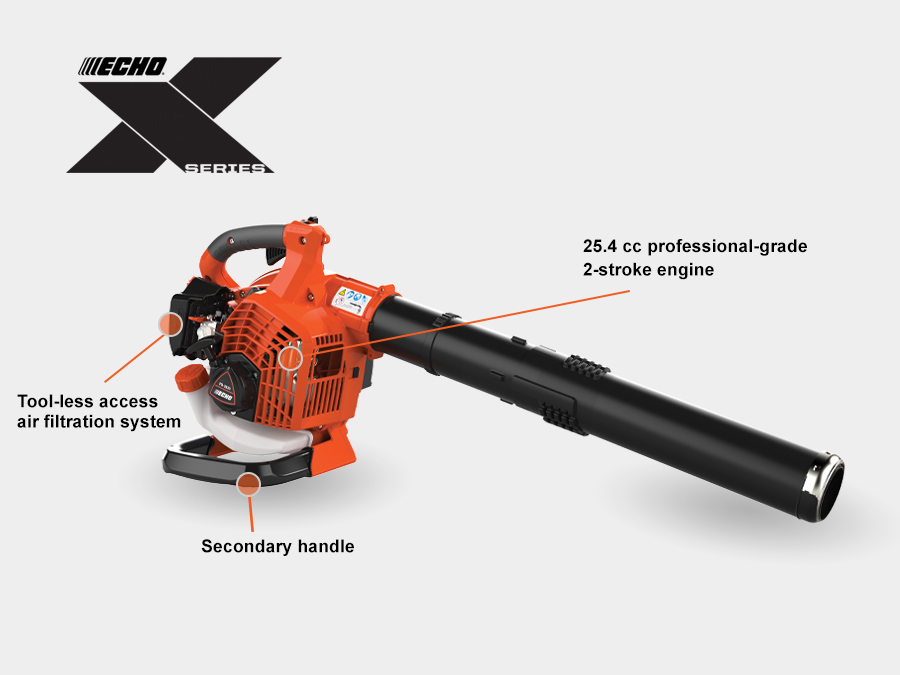
Preventive care so your leaf blower does not start less often
Small steps now save big time later. I follow this routine on my own gear.
- Use fresh fuel and a stabilizer. Mix small batches. Label the date.
- Run the tool dry at season end. Add a teaspoon of mix, start, and fog it for a minute.
- Replace the plug, air filter, and fuel filter yearly.
- Clean the spark arrestor screen and the cooling fins.
- Store with the tank empty. Keep it off the floor and out of damp areas.
- For batteries, store at 40 to 60 percent charge in a cool spot.
Do this, and the phrase leaf blower does not start will fade from your week.

Repair or replace: make the smart call
Look at age, parts cost, and your time.
- Replace if the unit is very old, has low compression, or needs a carb, coil, lines, and labor all at once.
- Repair if it only needs a plug, filter, or lines. These are cheap and quick.
My rule of thumb: if parts cost more than half of a new blower, and the leaf blower does not start even after basic steps, upgrade. New models are cleaner, lighter, and start easier.

Safety and common mistakes to avoid
I see the same errors over and over. Skip these and you will save time and skin.
- Do not use straight gas in a two-stroke. It will seize the engine fast.
- Do not over-prime or over-choke. That floods it.
- Do not spin the starter with a loose plug lead. It can arc and burn.
- Do not spray harsh solvents into the carb. Use proper cleaner and care.
- Do not ignore the stop switch. A bumped switch makes a leaf blower does not start look like a big fault.
Always read the manual for mix ratio and start steps. Makers test these for a reason.

Frequently Asked Questions of leaf blower does not start
Why does my leaf blower not start after sitting all winter?
Stale fuel leaves varnish in the carb and lines. Drain the tank, replace the fuel filter, add fresh mix, and try a new plug.
How do I know if my engine is flooded?
You will smell fuel and the plug will be wet. Turn off choke, hold full throttle, pull 8 to 10 times, then refit a dry plug.
What spark plug should I use?
Use the exact plug number from your manual. A wrong heat range can foul fast and cause hard starts.
Can ethanol fuel cause a no-start?
Yes, high ethanol can swell rubber parts and pull in water. Use fresh fuel with up to 10% ethanol and add a stabilizer.
Is starting fluid safe for small engines?
It is risky on two-strokes. Use a small splash of premix on the filter instead, or fix the real fuel issue.
Conclusion
A leaf blower that will not start is almost always a simple mix of fuel, air, spark, or power. Work the steps, keep parts clean, and use fresh fuel or a healthy battery. Most problems clear in minutes with the right checks.
Grab your blower, follow the checklist, and bring it back to life today. Want more small engine tips that save time and cash? Subscribe, share your result, or drop a question so we can help you fix the next snag.