
Start the engine, set your stance, and drill vertical holes with steady control.
If you want to learn how to use a gas powered post hole digger the right way, you are in the right place. I have set hundreds of posts, from farm fences to deck footings. I will show you clear steps, real tips, and the small tricks that help you work safe, straight, and fast. By the end, you will know how to use a gas powered post hole digger with confidence and care.

Safety First: What To Do Before You Dig
A gas auger can save time, but it can also kick back and hurt you if you are not ready. Good prep is the best way to avoid problems. This is the first step in how to use a gas powered post hole digger safely.
Follow these steps before you fire up the engine:
- Call 811 or your local utility locate service. Mark water, gas, power, and telecom lines.
- Read the manual for your exact model. Check fuel mix, controls, and warnings.
- Wear PPE. Use eye protection, ear protection, gloves, long pants, and boots.
- Check the site. Look for roots, rocks, slope, pets, and people.
- Inspect the tool. Confirm the throttle returns, the kill switch works, and the auger bolt is tight.
A tip from the field: I set posts in pairs with a buddy in rocky soil. Two hands are good. Four hands are better. That is a simple way to use a gas powered post hole digger with less risk.

Tools and Materials You Will Need
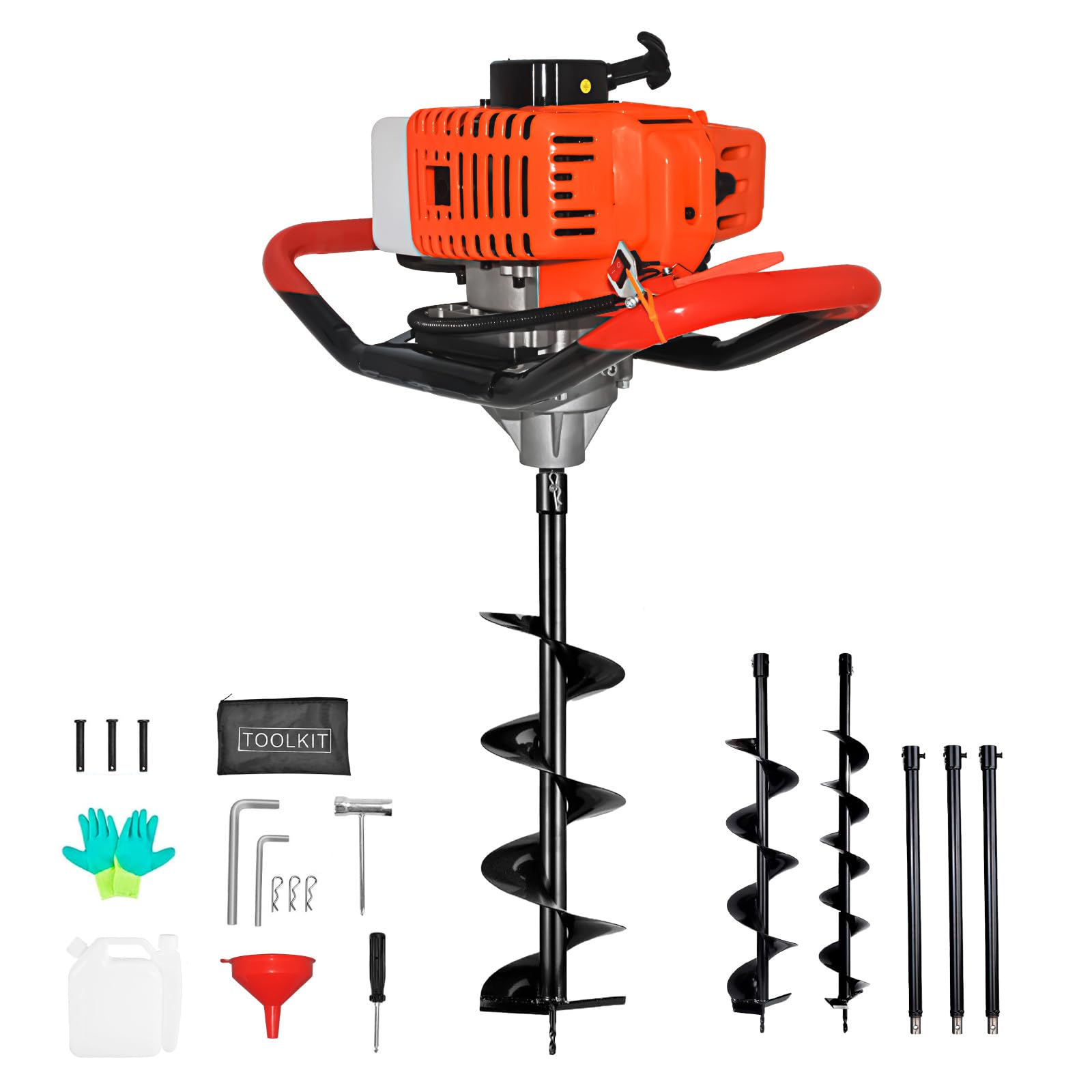
A short list saves you time on site. Gather these items so you can keep the auger running and avoid delays.
- Gas powered post hole digger with the right auger bit size
- Two-stroke fuel mix or straight gas and oil, per your manual
- Spare pull cord, spark plug, and air filter
- Grease for the gearbox and flight
- Marking paint, string line, and stakes
- Digging bar and round shovel for cleanup
- Post level and tape measure
- Gravel for drainage at the bottom of each hole
Having the right gear matters when you learn how to use a gas powered post hole digger in real soil, not just in theory.

Know Your Machine: Controls, Bits, and Balance
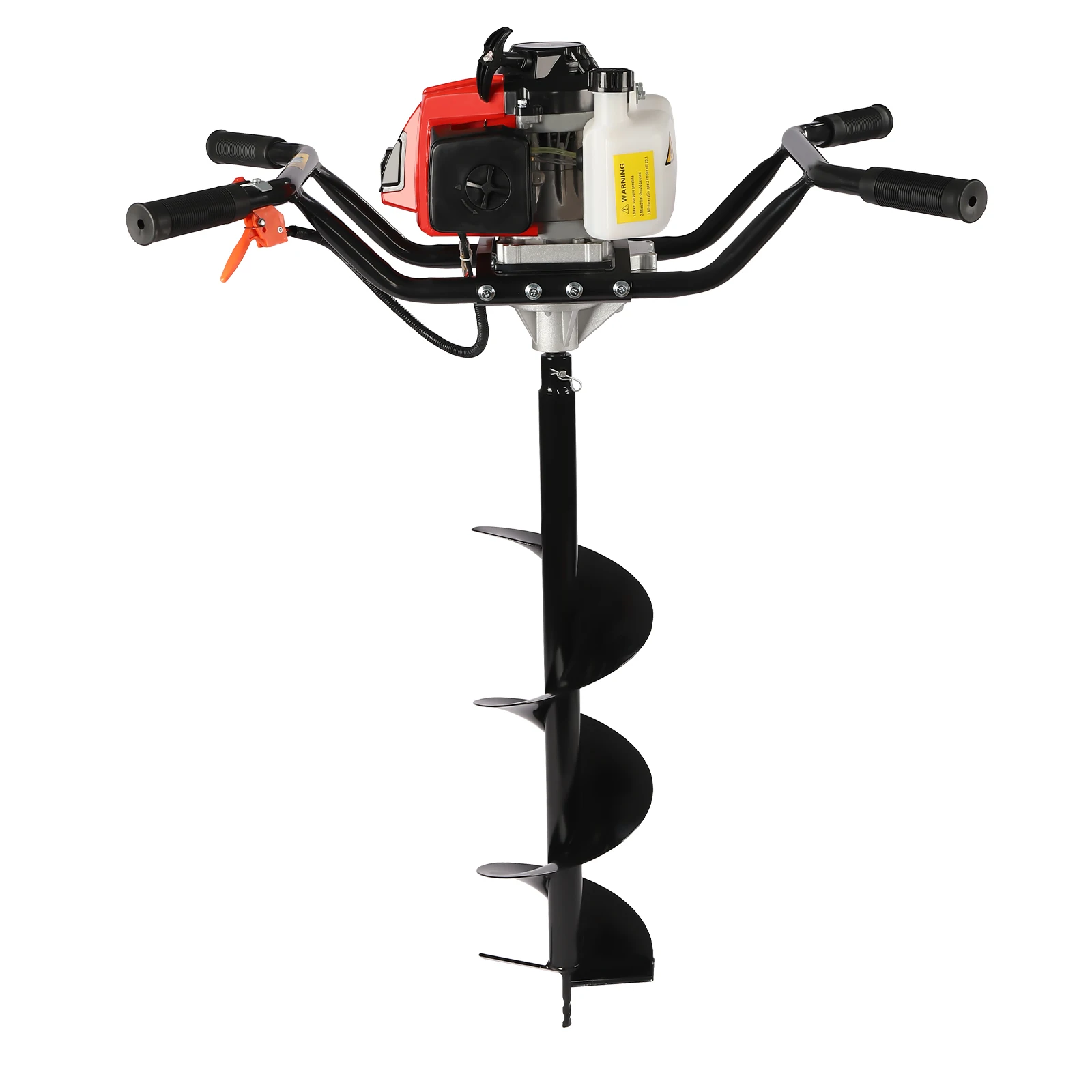
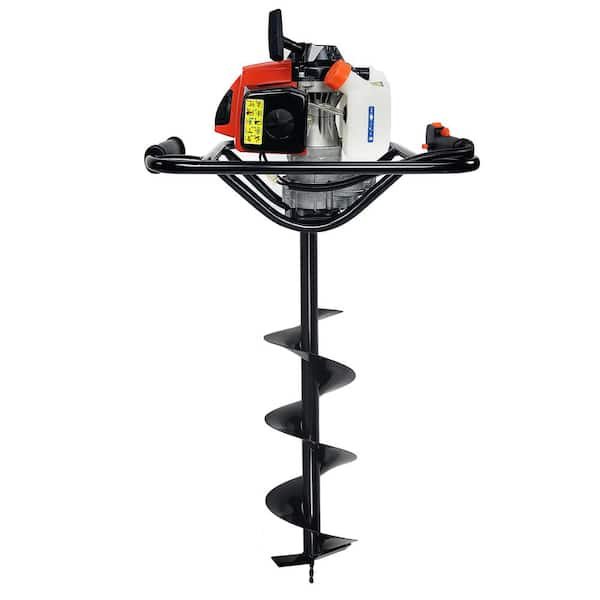
Every auger has a few core parts. Knowing them helps you make smooth, straight holes.
- Powerhead. Holds the engine, handles, throttle, and kill switch.
- Auger bit. The spiral flight with a pilot point and cutting teeth.
- Drive pin or bolt. Connects the bit to the powerhead.
- Gearbox. Reduces speed and gives torque.
- Throttle and choke. Controls start and power.
Choose the right bit size for your post. For a 4×4 post, a 6 to 8 inch bit works for most soils. For deck footings, follow your local code. This is a key part of how to use a gas powered post hole digger for clean, code-ready work.
Step-by-Step: How to Use a Gas Powered Post Hole Digger
Here is a simple, field-tested process I use on fence and deck jobs. These steps show you how to use a gas powered post hole digger from start to finish.
-
Mark your holes
- Snap a string line. Mark center points with paint or stakes.
- Space your marks as planned. Double-check layout before you dig.
-
Prepare fuel and check the auger
- Mix fuel to the ratio in your manual, often 50:1 for two-stroke.
- Tighten the bit bolt. Grease the gearbox if needed.
-
Set your stance
- Stand with feet shoulder-width apart.
- Keep your back straight and knees soft. Grip both handles.
-
Start the engine
- Set choke to start. Prime if your model has a bulb.
- Pull the cord. When it fires, open the choke. Let it warm up.
-
Align and make a pilot bite
- Place the pilot point on your mark. Hold the auger vertical.
- Feather the throttle so the tip takes a small bite.
-
Drill in pulses
- Squeeze the throttle and let the auger pull itself down.
- Stop, lift a few inches to clear soil, then drill again. Repeat.
-
Manage kickback and binds
- If it grabs a root or rock, release the throttle at once.
- Reverse the direction if your unit has reverse. If not, lift and wiggle.
-
Check depth and plumb
- Measure as you go. Most holes need one third of the post length in depth.
- Use a small level to check vertical alignment.
-
Clear spoil and shape the bottom
- Scoop loose soil with a shovel.
- Add a few inches of gravel for drainage if needed.
-
Move to the next hole
- Shut down before you walk.
- Repeat the process, keeping the same pace and checks.
When people ask how to use a gas powered post hole digger without wearing out their arms, I say this: let the bit do the work, and use short pulses. That simple habit saves energy and keeps holes clean.

Pro Tips for Straight, Clean, and Fast Holes
Small tricks make a big difference. These tips are from years of field work and will sharpen your sense of how to use a gas powered post hole digger like a pro.
- Use a guide. Hold a short 2×4 as a visual plumb guide next to the auger.
- Start shallow. Make a 2 inch starter hole to lock the bit before full throttle.
- Work in layers. Drill 6 to 10 inches, clear, then drill again to avoid jams.
- Wet dry soil. A light splash of water can help in powdery ground.
- Angle fix. If the hole leans, shave the high side with the auger tip.
- Pair up in hard soil. A second person helps control kickback and push-down force.
These small wins add up when you think about how to use a gas powered post hole digger over a full day. Your body will thank you.

Troubleshooting: Common Problems and Quick Fixes
Things happen in the field. Here is how to solve the most common issues fast.
Engine will not start
- Check fuel mix, new spark plug, and choke setting.
- Clean or swap the air filter. Confirm the kill switch is not engaged.
Stalls under load
- Dirty carb or clogged filter limits fuel. Clean both.
- Dull teeth make the engine work too hard. Replace or sharpen.
Bit binds or jams
- Stop throttle at once. Lift and clear soil and stones.
- Drill in smaller steps. Add water in very dry soil.
Holes not straight
- Slow down and reset plumb every 6 inches.
- Use a plumb bob or post level while drilling.
Too slow in clay
- Add a clay-rated bit or teeth.
- Drill in shorter pulses with more clearing cycles.
Learning how to use a gas powered post hole digger includes fixing small problems on the fly. Keep calm, make simple checks, and get back to work.
Maintenance and Storage After Digging
Care after use keeps the auger ready for the next job. It also boosts safety and tool life.
- Clean the flight and teeth. Knock off clay and stones.
- Inspect teeth and pilot tip. Replace if dull or bent.
- Check and grease the gearbox per your manual.
- Clean the air filter. Swap if caked or torn.
- Run the carb dry before storage if using ethanol gas.
If you want long-term value, this is part of how to use a gas powered post hole digger with pride and care.
Productivity and Planning For Bigger Jobs
On large fence runs, time is money. A good plan doubles output without stress.
- Stage materials next to marks. Posts, gravel, and concrete should be within reach.
- Drill all holes first, set posts second, and concrete last.
- Rotate operators to reduce fatigue.
- In rocky ground, pre-punch with a digging bar to break big stones.
These habits help when you teach crews how to use a gas powered post hole digger at scale and keep quality high.

Buying or Renting: What To Consider
You can rent for a weekend or buy for many jobs. Choose based on your needs.
- Rent if you have a one-time fence or deck. It saves storage and upkeep.
- Buy if you build often or need specific bit sizes.
- Test models for weight, balance, and vibration. Ask for anti-kickback features.
Price matters, but so does support. Parts and service make a real difference when you learn how to use a gas powered post hole digger and rely on it week after week.
Frequently Asked Questions of how to use a gas powered post hole digger
How deep should I dig for fence posts?
Aim for at least one third of the post length in the ground. In frost zones, go below the local frost line for stability.
What fuel mix should I use?
Most two-stroke engines use 50:1 gas-to-oil, but some use 40:1. Check your manual to avoid damage and poor power.
Can one person operate a large auger safely?
One person can run small bits in soft soil. For big bits or hard ground, use a two-person unit or get a helper.
How do I avoid hitting utilities?
Always call 811 before you dig in the U.S. Mark the lines and keep a safe offset as required by local rules.
What if the auger hits a root or rock?
Release the throttle right away to prevent kickback. Lift, clear the hole, and continue in short pulses.
How often should I sharpen or replace teeth?
Inspect after every job and replace if dull, chipped, or rounded. Sharp teeth reduce engine strain and keep holes clean.
Is water helpful when digging?
A small amount helps in dry, powdery soil. Do not flood the hole, and avoid water near electrical utilities.
Conclusion
You now know how to use a gas powered post hole digger with safe habits, clear steps, and pro-level tips. Plan your layout, gear up, drill in pulses, and let the bit do the work. Keep your auger clean and sharp, and it will pay you back for years.
Put this guide to work on your next fence or footing. Mark your first hole, set your stance, and take that first clean bite. Want more hands-on tips? Subscribe for new guides, or drop a question in the comments.