
Best for small-to-medium lawns, gentle slopes, and busy owners seeking low-effort mowing.
If you’re wondering whether a robotic mower fits your yard and lifestyle, you’re in the right place. I’ve tested and installed many units across different lawns and seasons, and I’ll show you exactly when a robotic lawn mower suitable for your needs makes sense, and when it doesn’t. We’ll break down sizes, slopes, features, costs, and setup so you can pick a robotic lawn mower suitable for your yard with confidence.

Robotic lawn mower suitable for: who, where, and when
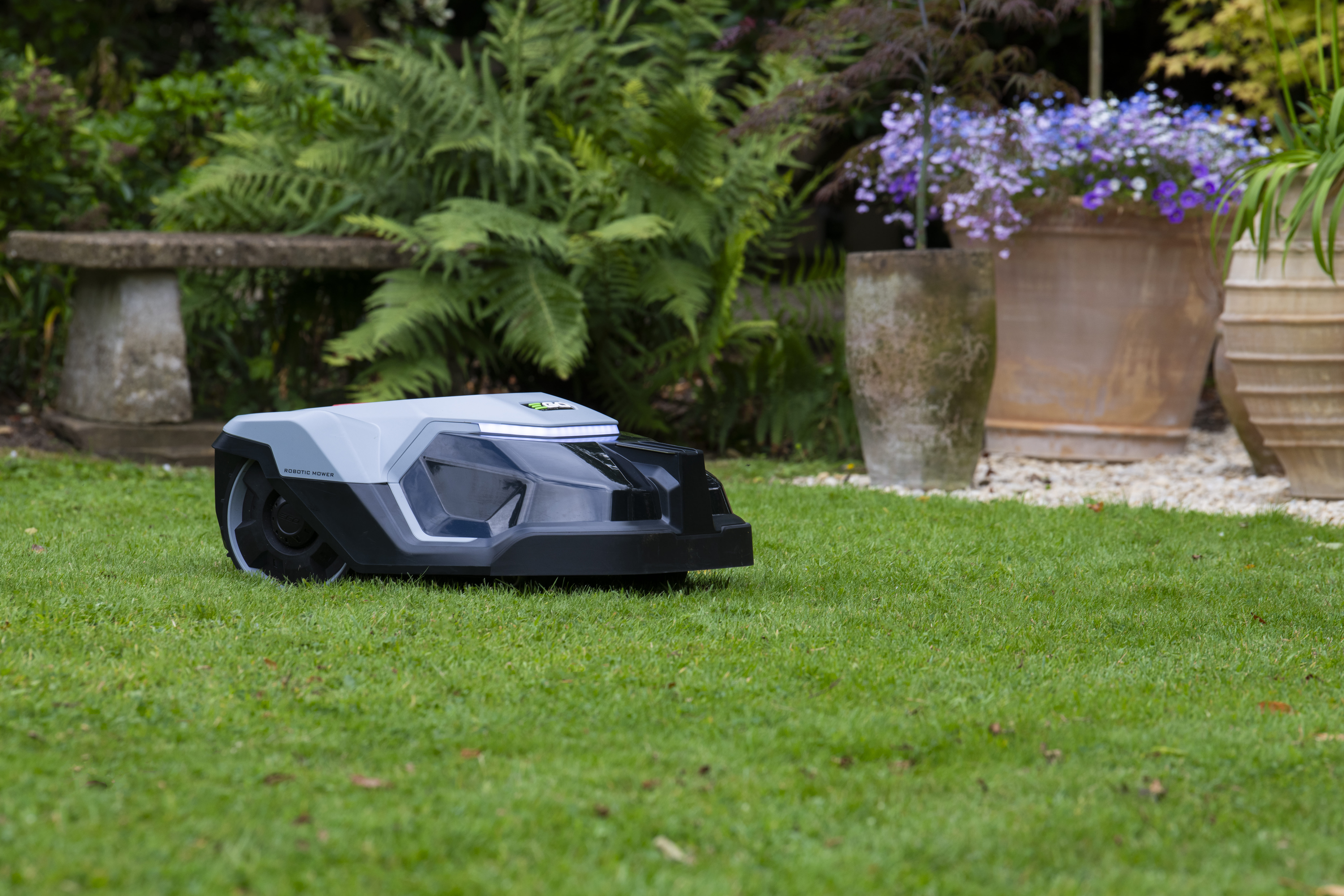
A robotic lawn mower shines when the lawn is steady, the owner is busy, and the goal is a tidy cut every day. Think small to mid-size lots, simple shapes, and few obstacles. A robotic lawn mower suitable for daily trimming keeps grass healthy because it cuts little and often. It also helps if you value quiet and want less weekend yard work.
From what I see in the field, the best match is a yard up to about half an acre with light slopes. Many models handle bigger lawns too, but longer run times and battery needs go up. A robotic lawn mower suitable for gentle slopes, clean edges, and consistent growth will run smoother and need fewer stops. If you have kids or pets, look for safety sensors and a kid lock.
Typical use cases where a robotic lawn mower suitable for your yard makes sense:
- Busy homeowners who want a hands-off routine
- Tech fans who enjoy app control and schedules
- People with allergies who want less exposure to clippings
- Owners who want a quiet yard under 60 dB while mowing

Pros, cons, and limits you should expect
The upside is clear. A robotic lawn mower suitable for regular cutting improves lawn health through tiny clippings that feed the soil. It is quiet, uses little power, and frees hours of your time every month. Most models work in rain and return to charge on their own.
There are trade-offs. A robotic lawn mower suitable for complex landscapes may need extra beacons or careful boundary setup. Steep slopes can be a blocker; many units top out around 20 to 45 percent grade. Setup takes a few hours, and wires or virtual zones must be right. Sticks, toys, and tall weeds can slow it down.
Good rule of thumb from my installs: if the lawn is huge, wild, or cluttered, expect more tuning. If it is neat and not too steep, it will feel like magic. A robotic lawn mower suitable for trimmed edges and open space will give the smoothest cut and the least fuss.

Fit by size, slope, and layout
Start with size. A robotic lawn mower suitable for 0.1 to 0.5 acres covers most suburban lots with ease. Larger models can work up to 1–2 acres with multi-zone maps and bigger batteries. Cutting width ranges from about 8 to 16 inches; wider decks finish faster but may cost more.
Slope matters. Many units handle up to 20–25 percent. Premium models push near 35–45 percent with grippy tires and better torque. Measure your steepest patch, not the average. A robotic lawn mower suitable for your slope will list a max grade in the specs.
Layout is the silent deal-breaker. Narrow passages, islands of beds, and tight corners can confuse navigation. A robotic lawn mower suitable for complex paths should include:
- Multi-zone mapping to handle front and back yards
- Guide wires or RTK GPS for accurate routing
- Passage handling to traverse narrow gates or walks

Features to look for when choosing
Match features to your yard, not the buzzwords. A robotic lawn mower suitable for you should include:
- Navigation: Boundary wire for reliable edges, or wire-free RTK GPS for flexible zones
- Power and runtime: Enough battery to cover your lawn in daily windows
- Safety: Lift and tilt sensors, blade stop, PIN lock, and geofencing
- Weather handling: Rain sensors, washable body, solid IP rating
- App control: Schedules, zone control, and over-the-air updates
- Security: GPS tracking and tamper alerts
Cut quality comes from sharp blades and smart patterns. Look for adjustable height, usually 0.8–3.5 inches. A robotic lawn mower suitable for cool-season or warm-season grass should glide over the surface without scalping. Replace blades often for a clean cut and less stress on the plant.

Setup and daily use made simple
Wired or wire-free, take your time on the first day. Place the base in a clear, central spot with shade and Wi‑Fi if possible. If using boundary wire, keep a steady offset from edges and avoid sharp kinks. A robotic lawn mower suitable for tight borders benefits from guide wires to reach far zones.
Daily use is easy. It leaves the dock, trims, and returns to charge. You can schedule early mornings or weekdays while you work. A robotic lawn mower suitable for pet homes should run when dogs are inside. Keep the lawn clear of toys and sticks for smooth runs.
Maintenance is light. Brush off the deck weekly. Swap blades every 4–8 weeks depending on lawn size. Clean wheels if wet clumps build up. Before winter, wash, dry, and store with the battery at a mid charge.

Costs, energy use, and real ROI
Expect to pay around $700 to $3,500 for a good unit, plus $200 to $1,000 if you pay for pro install. Ongoing costs are low: replacement blades and a few dollars of power per month. A robotic lawn mower suitable for a quarter-acre lawn often runs a few hours a day at 20–70 watts, so energy use is modest.
The real win is time. Many owners save 30–50 hours a season. That time goes to family, rest, or other projects. If you mow often, a robotic lawn mower suitable for your schedule pays back within a couple of years in time and care savings.
Real-world lessons and mistakes to avoid
From my installs, a few tips stand out. Place the dock on level ground with space on both sides. This keeps docking smooth. A robotic lawn mower suitable for shady docks tends to last longer since heat is lower on the battery.
Avoid tight maze-like flower beds without guide paths. Add stepping stones or widen passes. Keep grass at a steady height. Sudden jumps from long to short stress the lawn. A robotic lawn mower suitable for frequent micro cuts keeps grass green and thick.
Watch slopes after rain. Wet wheels can slip and leave tracks on clay. If that is your soil, set a later start time to let dew dry. Use boost modes in spring when growth spikes. A robotic lawn mower suitable for seasonal tweaks will handle these swings with ease.
Frequently Asked Questions of Robotic lawn mower suitable for
Is a robotic lawn mower suitable for small yards?
Yes, it is ideal. Small yards get a neat, daily cut with little setup and low power use.
Is a robotic lawn mower suitable for uneven or sloped lawns?
Many models handle moderate slopes. Check the max grade in the specs and test the steepest area.
Is a robotic lawn mower suitable for homes with pets and kids?
Yes, with sensors and safety locks. Schedule runs when pets are inside and teach kids to keep clear.
Is a robotic lawn mower suitable for complex gardens with many beds?
It can be, but mapping matters. Use guide wires or RTK GPS and create clear passages.
Is a robotic lawn mower suitable for cutting wet grass?
Light dew is fine. Heavy rain or soaked turf can clog wheels and dull blades, so delay runs.
Conclusion
A robotic mower is a smart match for steady lawns, busy lives, and quiet yards. If your space is mid-size, not too steep, and fairly open, the fit is strong. With the right features, setup, and routine, you get a healthy lawn and hours of your time back.
Ready to move from push to hands-off? Use the guides above, shortlist models that fit your yard, and take the next step. Subscribe for more yard tech tips, or leave a comment with your lawn size and slope, and I’ll help you pick the best match.