
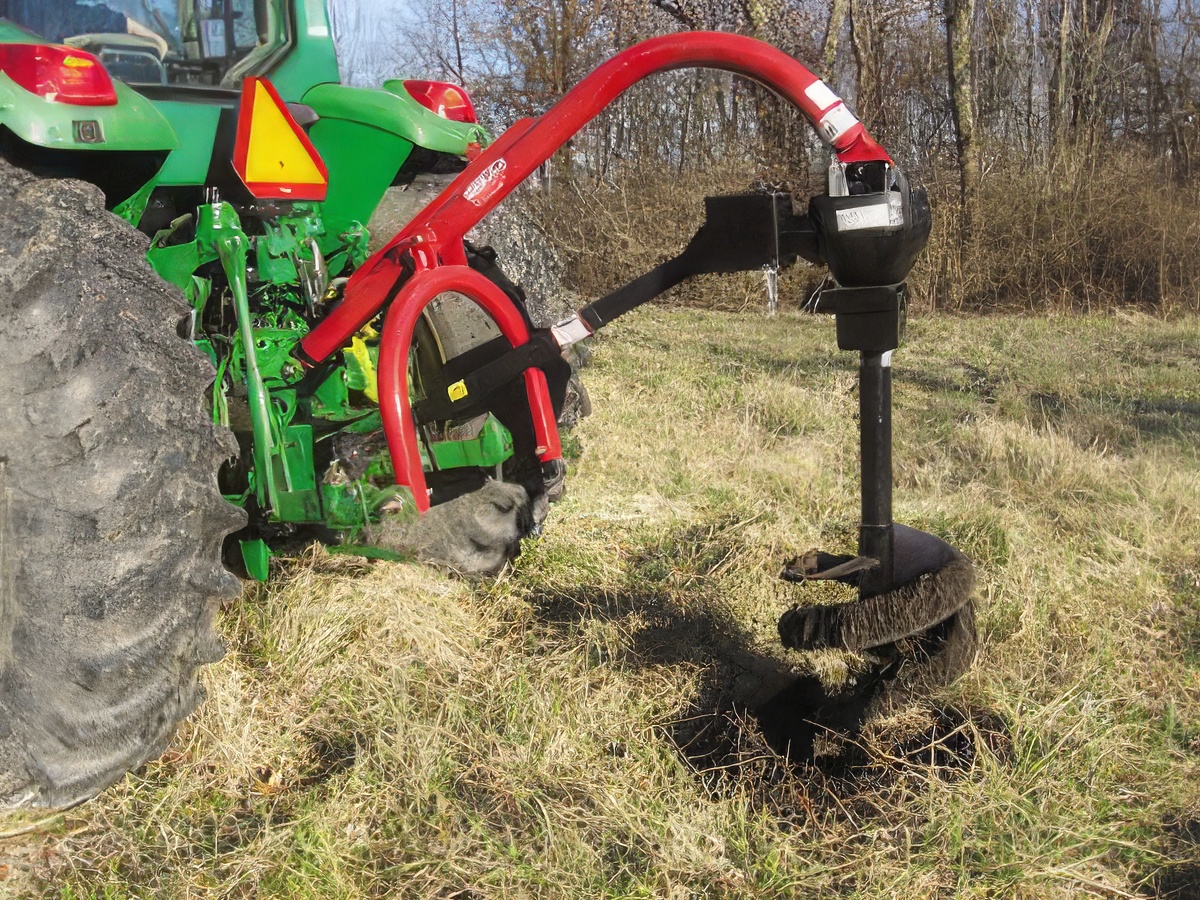
Attach the auger, set PTO speed, keep it plumb, and drill clean holes.
If you want fence posts set fast and straight, you need to know how to use 3 point post hole digger the right way. I have run these on small homesteads and larger ranch jobs, and the workflow makes or breaks your day. This guide gives you a proven, step-by-step plan, safety tips, and pro fixes for tough soil so you can master how to use 3 point post hole digger with confidence and speed.

What a 3-point post hole digger is and how it works
A 3 point post hole digger mounts to your tractor’s 3-point hitch. The PTO turns a driveshaft that spins a gearbox and auger. The auger cuts soil and lifts it out as it turns.
Key parts you should know:
- Boom and yoke connect the digger to the hitch.
- PTO shaft with safety shields drives the gearbox.
- Gearbox turns the auger bit.
- Auger comes in sizes, like 6, 9, or 12 inches.
- Top link sets the angle. Stabilizers stop side swing.
- Some kits add downforce. Others use weight and gravity.
When you know the parts, learning how to use 3 point post hole digger feels simple. You will set depth, hold plumb, and keep the PTO safe.
Safety first every time
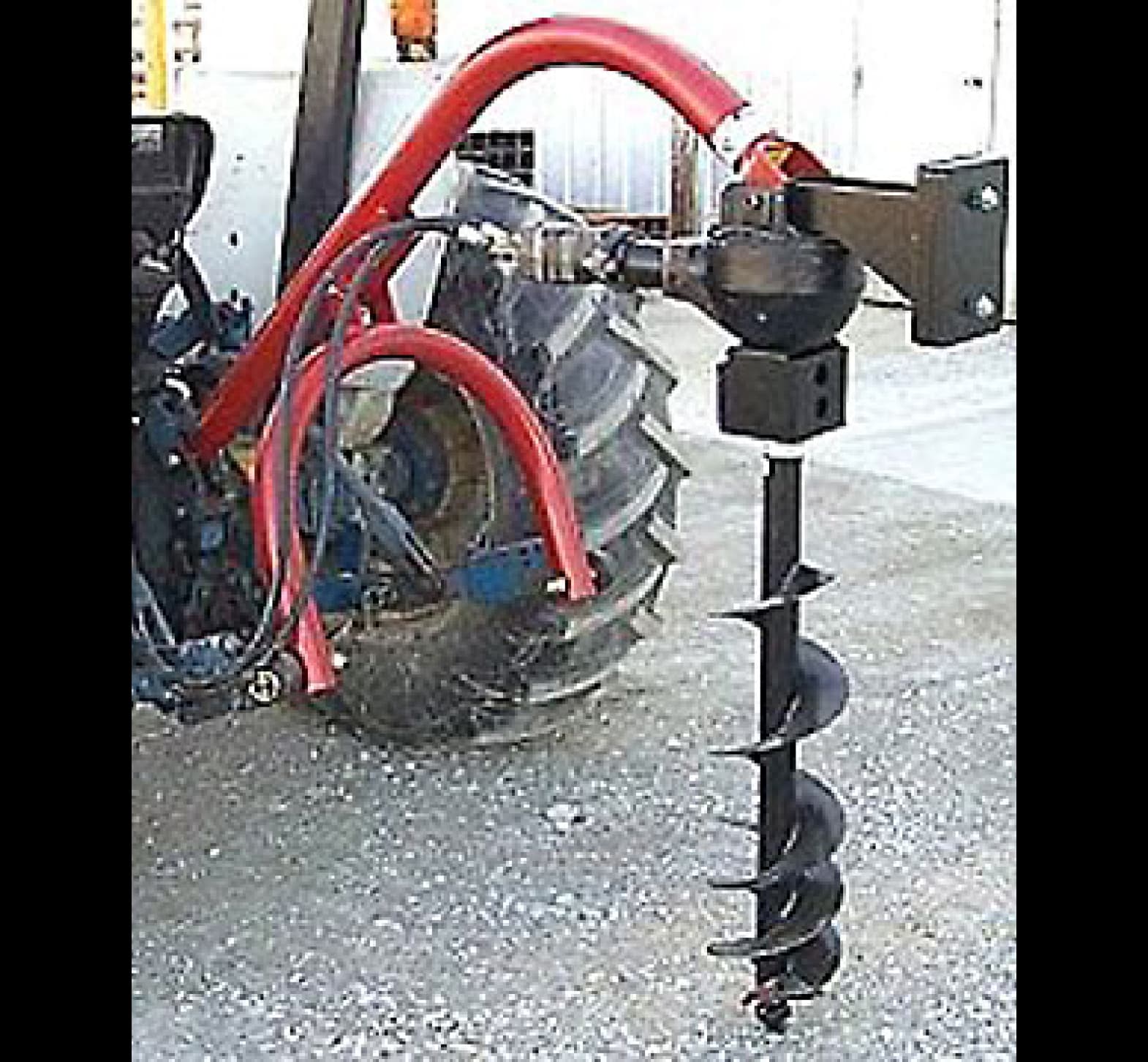
Before you think about speed, think safety. The PTO can grab loose clothes in a blink.
Use this checklist:
- Call to mark utilities before you dig.
- Wear eye and ear protection, gloves, and boots.
- Keep long hair, cords, and clothes away from the PTO.
- Inspect shields. Replace any missing guards.
- Clear bystanders and pets from the work zone.
- Park on level ground when you can. Use low gear.
- Never reach near a moving auger or PTO.
I once wrapped baling twine on a PTO. It ruined an hour and scared me. Respect the machine. It will pay you back with safe, clean holes.
Precheck and setup: tractor and implement
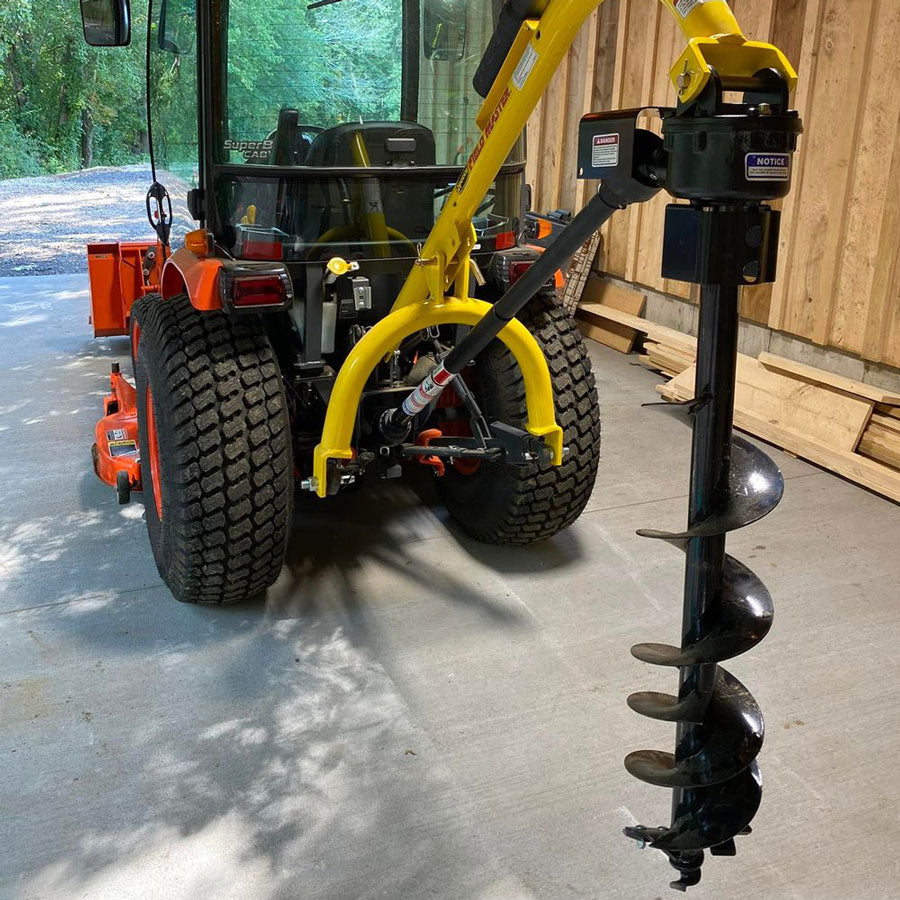
Good setup makes the dig easy. This is where many people rush and regret it.
Do this first:
- Match the digger to your hitch category and tractor horsepower.
- Check the gearbox oil level and grease all zerks.
- Inspect the PTO shaft length and safety shields.
- Choose your auger size for your posts and concrete.
- Set rear wheel spacing and hitch stabilizers to limit sway.
- Level the auger with the top link on flat ground.
- Set 540 PTO rpm. Most diggers are built for that speed.
When people ask how to use 3 point post hole digger with small tractors, I say focus on setup. A well-set machine beats raw power.

Step-by-step: how to use 3 point post hole digger
Follow this flow to drill fast and straight holes.
- Plan the line. Mark hole centers with paint or stakes.
- Fit the auger to the gearbox. Tighten the bolt and pin.
- Back the tractor so the tip sits on your mark.
- Set the top link so the auger is plumb front to back.
- Lock the lower arms to reduce side swing.
- Set engine speed for 540 PTO rpm. Use low gear.
- Lower the auger to touch the ground. Engage the PTO.
- Let the auger bite. Lower in short steps. Do not force it.
- Lift the auger every 8 to 12 inches to clear spoils.
- Check plumb as you go. Adjust with the top link and brakes.
- Reach target depth. Disengage PTO. Lift out slow to spill soil.
- Move to the next mark. Keep your rhythm steady.
This method works in clay, sand, or loam. If you want a fast win on how to use 3 point post hole digger, master the cycle of bite, clear, check plumb, and repeat.

Dialing in depth, plumb, and spacing
Straight holes save you time later. Wobbly holes fight you when you set posts.
Try these tips:
- Mark depth on the auger with bright paint.
- Strap a small level to the boom for quick checks.
- Use the tractor’s brake pedals to pivot a small correction.
- Snap a string line and measure from it to each hole mark.
- For long runs, pace yourself. Drill a few pilot holes, then finish to depth.
These small habits are the real secret of how to use 3 point post hole digger like a pro.
Techniques for different soils and seasons
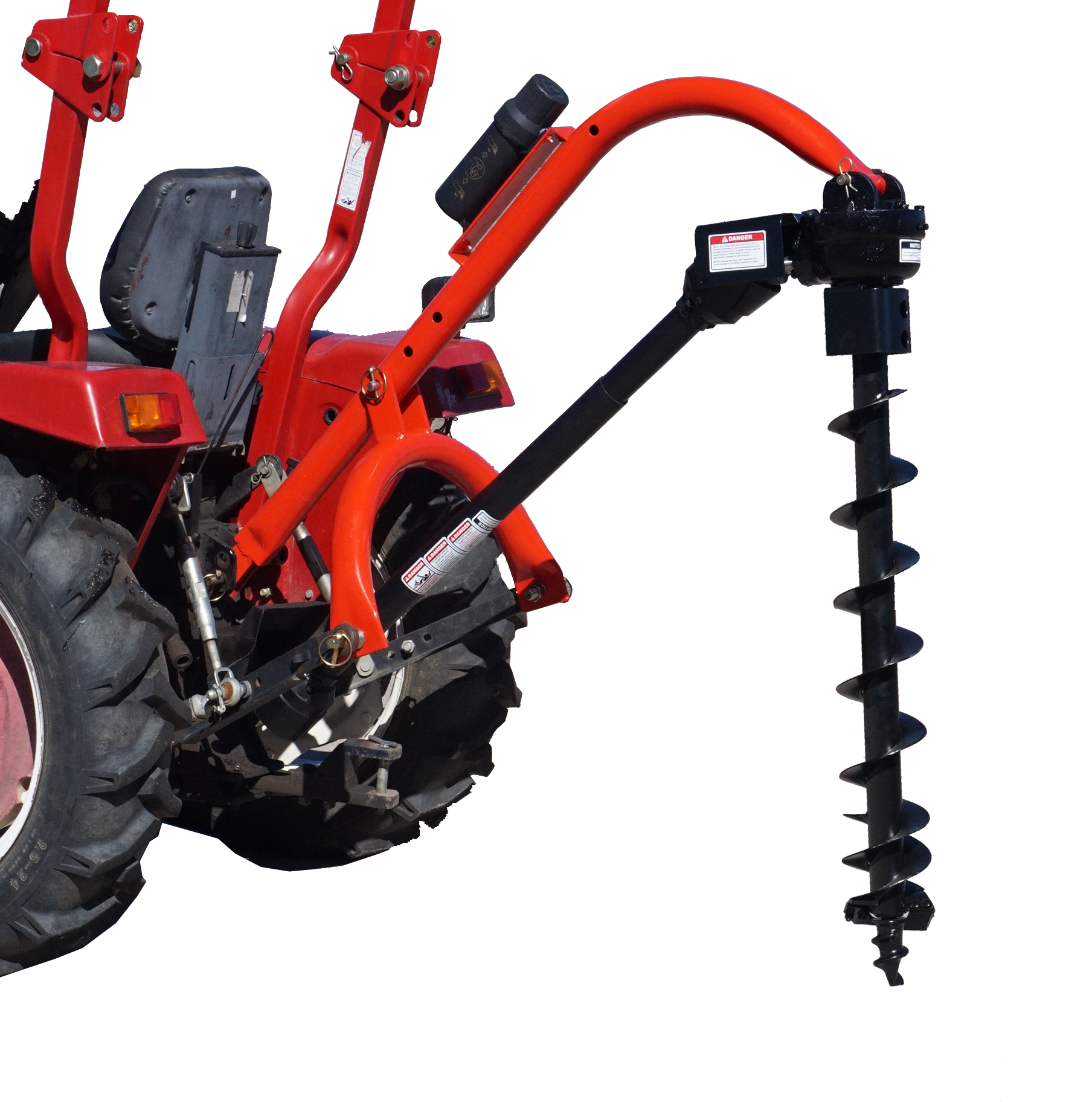
Soil rules the day. Change your plan to match the ground.
Soft sand
- Keep rpm steady and lower slow. Sand can cave in.
- Dig and set the post right away. Use forms or gravel for support.
Sticky clay
- Lower in short bites. Clear the flight often.
- Add a little water, but not too much. You want cut, not smear.
Rocky ground
- Use a rock auger or pilot with a digging bar.
- If you hit a big rock, shift the hole a few inches if allowed.
Roots
- Keep a chainsaw well away from soil. Use loppers and a mattock.
- Do not force the auger through big roots. It can twist you off line.
Frozen or dry hardpan
- Soak the spot the night before.
- Use a pilot bar to start a pocket. Warm midday temps help.
When folks ask how to use 3 point post hole digger in bad soil, I say slow down, clear often, and change the tool if needed.

Troubleshooting common problems
Even with care, things happen. Here is how to fix them fast.
Auger stuck in the hole
- Disengage the PTO. Lift and gently rock the boom.
- Reverse the auger if your gearbox allows. If not, dig around the flight by hand.
Auger pulls the tractor down
- You are feeding too fast or the tip is too sharp.
- Lift to clear, then take shallow bites.
Crooked holes
- Re-level the top link. Check side sway chains.
- Use a level on the post and widen the top with a clam shovel if needed.
Shear bolt keeps breaking
- Replace with the correct grade bolt.
- Check for rocks, bent flights, or dull teeth.
PTO stalls or chatter
- Reduce feed rate. Check 540 rpm.
- Grease the U-joints. Inspect the slip clutch if equipped.
When you know how to use 3 point post hole digger under stress, these fixes save the day.

Maintenance and storage
Care is cheap. Repairs are not. A short routine keeps you working.
After each job:
- Wash off clay and sand. Dry the gearbox area.
- Grease all fittings and PTO crosses.
- Check gearbox oil level and look for leaks.
- Touch up paint on the auger to prevent rust.
- Store under cover. Keep the PTO shaft off the ground.
Before the season:
- Inspect the tip and teeth. Replace if dull.
- Check the slip clutch or shear bolt parts.
- Verify all shields and warning decals are in place.
This is a big part of how to use 3 point post hole digger for many years, not just one season.

Productivity tips and project planning
A clean plan saves time and fuel.
Use these ideas:
- Batch tasks. Mark all holes, then drill them, then set posts.
- Keep a shovel, bar, and bucket at hand for quick fixes.
- Carry spare shear bolts, pins, grease, and marking paint.
- Work with a helper who checks plumb and depth.
- Start where the soil is easy. Build momentum before the tough spots.
On my first long fence, these steps cut the drilling time by half. That is real proof on how to use 3 point post hole digger for speed and quality.
Cost, options, and attachments
Match the tool to your ground and posts.
Useful choices:
- Auger sizes: 6 inch for T-post sleeves, 9 inch for 4×4 posts, 12 inch for 6×6 posts and concrete collars.
- Rock augers with carbide teeth for hard layers.
- Extensions for deeper holes in soft soil.
- Downforce kits or hydraulic assist for stubborn clay.
- Slip clutch upgrade for rocky sites.
Pick what suits your land. That is the smart way to plan how to use 3 point post hole digger with fewer surprises.
Frequently Asked Questions of how to use 3 point post hole digger
What PTO speed should I use?
Most units are built for 540 rpm. Set engine speed to match your tractor’s 540 mark and adjust feed rate, not rpm.
How deep should fence post holes be?
A common rule is one third of the post length in the ground. Add a few inches of gravel for drainage in wet areas.
How do I keep holes straight on a slope?
Face uphill and keep the auger plumb to gravity, not the tractor body. Adjust with the top link and use wheel brakes for small tweaks.
Can I use a 3 point post hole digger with a small tractor?
Yes, if the tractor lifts and powers the unit. Take shallow bites, clear often, and avoid oversized augers.
What if the hole fills with water?
Pump or bail water out. Add gravel at the base and set the post fast, or sleeve the hole with a form.
Do I need concrete for every post?
Not always. In good soil, tamped gravel can hold well. Use concrete for gates, corners, and soft or wet ground.
How often should I grease the auger and PTO?
Grease before each day and again mid-day on heavy runs. Wipe fittings clean first to avoid pushing grit into bearings.
Conclusion
You now know how to use 3 point post hole digger from setup to cleanup. Plan your line, set the machine plumb, run 540 rpm, and work in short, clean bites. Adjust for soil, and keep safety first.
Take this guide outside and drill a small test run today. Build your rhythm and notes for your land. If you found this useful, subscribe for more tractor tips, or drop your questions and wins in the comments.