
To mow a lawn well, cut dry, use sharp blades, follow the one-third rule, alternate patterns.
If you want to learn how to mow a lawn like a pro, you’re in the right place. I’ve cared for lawns from tiny city yards to sports fields, and I know what works, what fails, and what saves time. This guide explains how to mow a lawn step by step, with simple tips you can trust, backed by field experience and best practices. Stick with me, and you’ll get an even cut, clean edges, and a healthier lawn all season.
Before You Start: Know Your Grass, Your Mower, and the One-Third Rule
Grass type shapes how to mow a lawn. Cool-season grasses like Kentucky bluegrass and fescue prefer higher cuts in summer. Warm-season grasses like bermuda and zoysia can handle shorter cuts when they’re growing fast.
The one-third rule is the key to how to mow a lawn without stress. Never remove more than one-third of the blade in a single pass. This reduces shock, limits brown tips, and helps roots stay strong.
Match mower type to your yard. Walk-behind rotary mowers fit most homes. Reel mowers give very clean cuts on low, fine turf. Self-propelled mowers help on slopes. Battery mowers are quiet and low on maintenance. Gas mowers have more power, but need tune-ups.
Gear and Setup: What You Need for a Smooth Cut
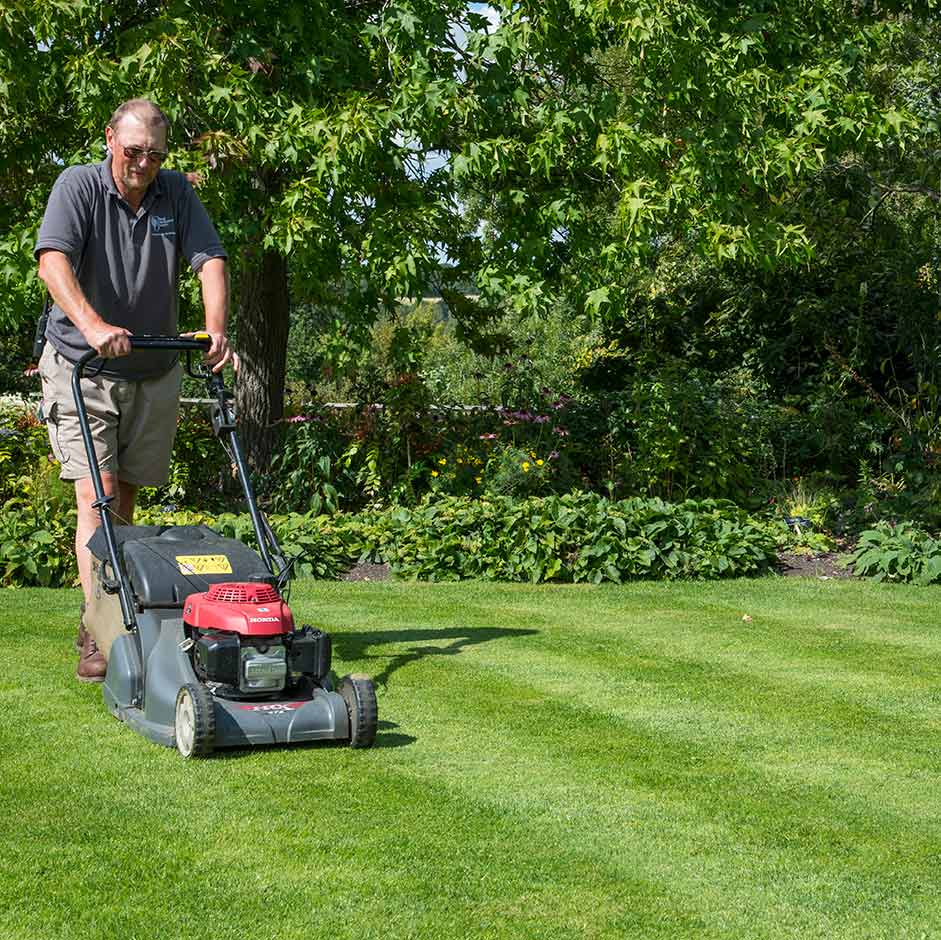
Before you think about how to mow a lawn, prep your tools. Sharp blades give a clean, green cut. Dull blades shred tips and turn them brown in a day. I sharpen or replace blades at least twice per growing season.
Check the deck height with a simple ruler on a flat driveway. Fill fuel or charge batteries. Clear sticks, toys, and stones. Wear closed-toe shoes, eye protection, and hearing protection when needed.
Keep a simple kit handy:
- A sharp blade or spare blade for quick swaps
- A stiff brush to clean the deck after mowing
- A fuel stabilizer for gas mowers during storage
- A battery charger for cordless models
- Gloves for safe blade handling
Step-by-Step: How to Mow a Lawn the Right Way
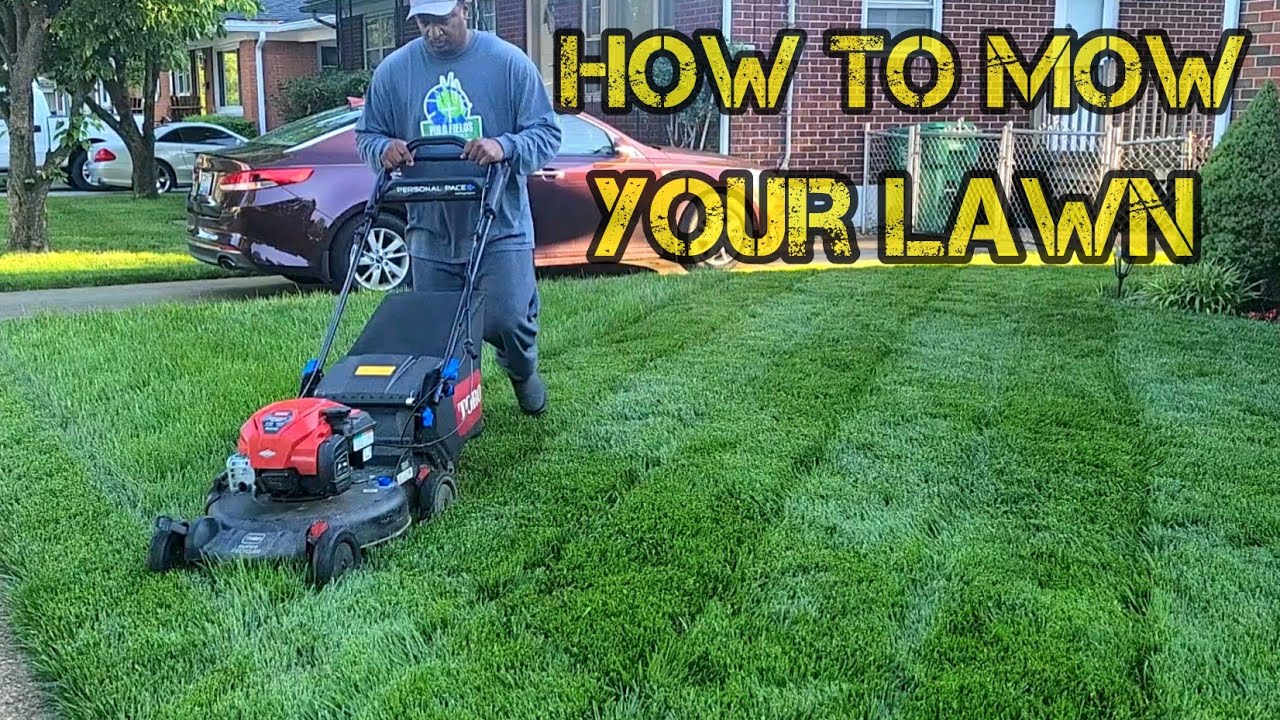
Learning how to mow a lawn starts with a routine. Follow these simple steps every time. Your lawn will look better within two weeks.
- Check conditions
- Mow when grass is dry. Wet grass clumps, mats, and dulls blades.
- If the lawn is too tall, raise the deck and do two passes on different days.
- Set the cutting height
- Cool-season lawn: aim for 3 to 4 inches in summer, 2.5 to 3 inches in spring and fall.
- Warm-season lawn: 1 to 2.5 inches when actively growing.
- Outline first
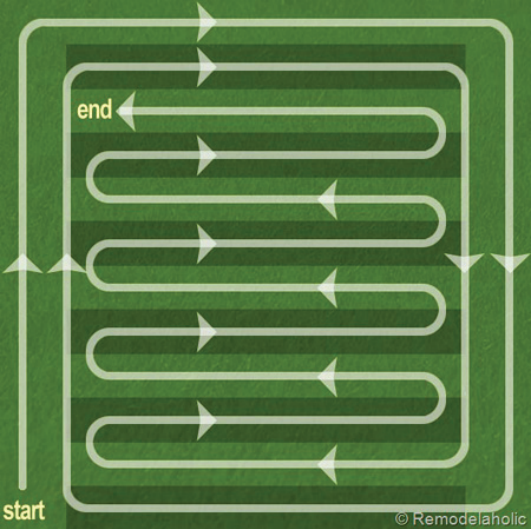
- Make a clean perimeter pass around beds, fences, and sidewalks.
- This gives you a guide and space to turn without scalping.
- Mow in straight lines
- Use a landmark to keep lines true. Slight overlap each pass to avoid skips.
- Alternate direction each mow: north-south, then east-west.
- Mind your speed
- Walk at a steady pace. Slow down in thick patches so the blade can cut clean.
- Listen for engine or motor load. If it bogs, raise the deck a notch.
- Handle slopes with care
- Mow across slopes with a walk-behind.
- If using a rider, mow up and down slopes, not across.
- Finish with edges and detail
- Trim along fences and beds.
- Use a string trimmer to match mower height, not shorter.
- Clean up
- Mulch clippings back into the lawn unless they clump.
- Sweep or blow hard surfaces to keep nutrients on the grass.
Real-world tip: When I managed a school field, alternating patterns alone fixed most striping gaps within a week. It is a simple trick that improves how to mow a lawn overnight.
Should I bag, mulch, or side-discharge?
Mulch when growth is normal and leaves are small. Bag when seed heads or leaves pile up. Side-discharge when the lawn is tall, then mulch on the next pass.
How short is too short?
If you scalp, you’ll expose soil and invite weeds. Keep at least two-thirds of the blade after each cut to protect the crown and roots.
Can I mow after rain?
You can, but it is not ideal. Wait until the lawn is only slightly damp. Raise the deck, go slower, and clean the deck after.
Patterns, Stripes, and Edges: Make It Look Professional
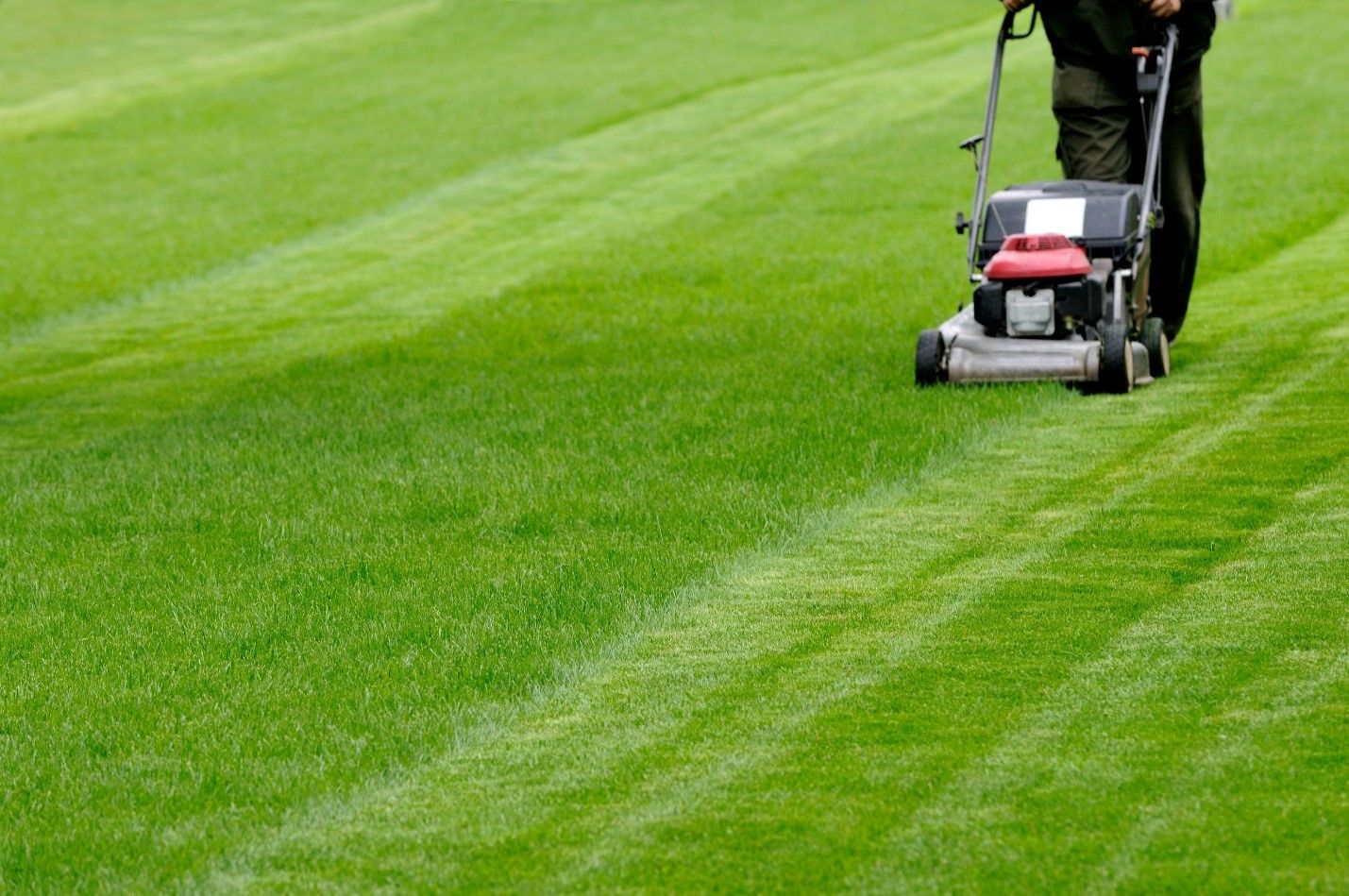
Part of how to mow a lawn like a pro is visual. Straight lines create the base. Gentle curves can soften a small yard. Stripes come from light bending on the grass; a striping kit or even a simple roller helps.
For edges, the order matters. I trim first on busy weeks to reduce total time. On detail days, I mow first, then trim to match the mower height. Keep edges tidy along walks and beds. It frames the lawn and makes the whole yard look crisp.
If lines start to wander, slow your pace and pick a distant point to aim at. Overlap about a wheel’s width per pass. That small habit removes zebra stripes and missed blades.
Common Problems and How to Fix Them
Even if you know how to mow a lawn well, issues pop up. Most have simple fixes you can do today.
Scalping and uneven cuts
- Raise deck height and level the deck side to side.
- Slow down on bumps and avoid tight turns that drop a wheel.
Clumps and wads
- Mow dry. If clumps appear, use a quick second pass to spread them.
- Clean the deck and sharpen blades.
Brown tips
- This is often from dull blades.
- Sharpen or replace blades and water early in the morning.
Weed spread after mowing
- Mow often. Tall weeds set seed.
- Clean mower wheels and deck if you mow an infested area.
Ruts or patterns of wear
- Change direction each mow.
- Vary start points to spread traffic.
Seasonal Tips: Warm vs. Cool Season, Heat, and Drought
How to mow a lawn changes with weather. In heat or drought, raise the deck and mow less often. Taller grass shades soil and slows water loss. In cool, wet spring, mow more often to follow the one-third rule.
Cool-season lawns
- Spring and fall are growth peaks. Keep 2.5 to 3.5 inches.
- In summer heat, raise to 3 to 4 inches.
Warm-season lawns
- Peak growth is late spring to summer. Heights of 1 to 2.5 inches work well.
- In shoulder seasons, reduce mowing frequency.
During drought, skip mowing if the lawn is dormant and brown. When rain returns, resume at a higher setting first. This careful approach is a big part of how to mow a lawn without long-term damage.
Aftercare: Clippings, Cleanup, and Mower Maintenance
Clippings are free fertilizer. They return nitrogen and improve soil life. If they are heavy, bag once, then go back to mulching. Compost extra clippings with dry leaves to balance moisture.
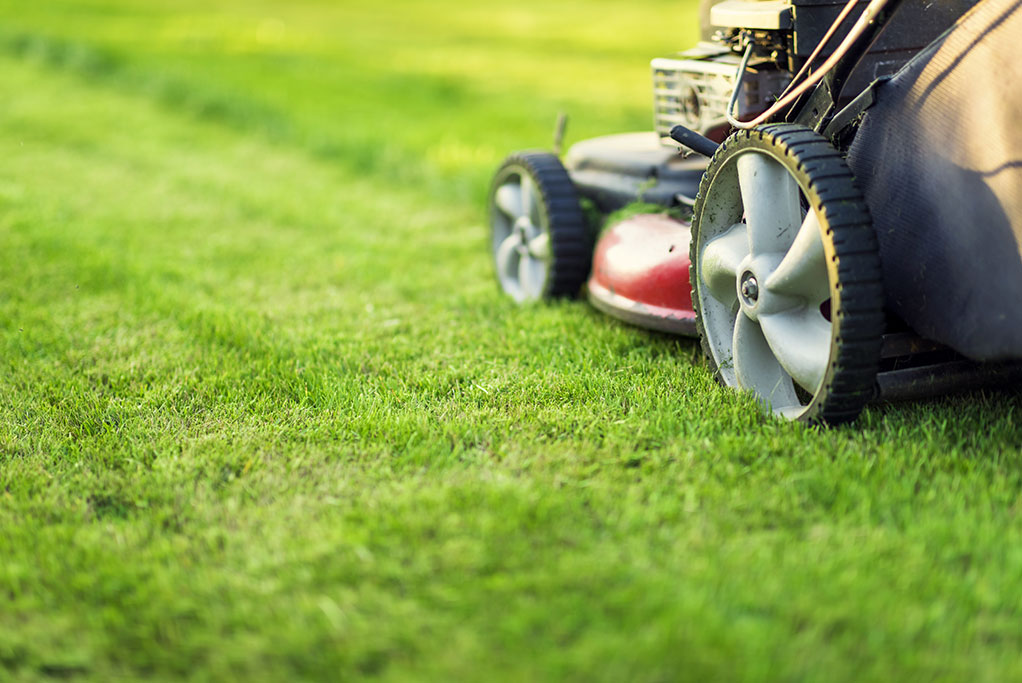
After each mow, scrape the deck with a brush. Top off fuel or charge batteries. Check blade edges with a finger swipe. If you feel nicks, it is time to sharpen. A clean mower lasts longer and keeps how to mow a lawn simple and repeatable.
Once a season, change oil on gas mowers, swap the air filter, and check the spark plug. On battery units, store packs cool and dry. Keeping gear in shape is the backbone of how to mow a lawn with less work.
Safety and Ergonomics You Shouldn’t Skip
Safe habits make how to mow a lawn smoother and faster. Pick up sticks first. Never reach under the deck while the machine is live. Let blades stop before you tip the mower.
Protect your body. Keep your wrists neutral and your grip light. Switch hands on long pushes to avoid fatigue. On hot days, mow early. Take water breaks. Simple steps keep you fresh and steady, which improves your cut.
I once strained my back rushing a steep hill. Now I take cross-slope passes with breaks at the ends. It adds two minutes and saves a day of soreness.
Save Time and Money: Smart Routines That Pay Off
A good plan is how to mow a lawn in less time. Set a regular day and window. Mow when growth reaches one-third above your target height. You will avoid double passes and bagging.
Group tasks to reduce trips. Outline first, then straight runs, then trim, then blow. Keep two blades and rotate them. One sharp blade is always ready, so you never delay a mow.
If fuel costs rise, try a battery mower for regular weeks and a gas unit only for heavy growth. This hybrid plan cut my costs by a third one summer. Small changes compound over a season.
Frequently Asked Questions of how to mow a lawn
How often should I mow my lawn?
Mow when the grass grows one-third taller than your target height. For many lawns, that is every 5 to 7 days in spring and every 7 to 14 days in summer.
What time of day is best for mowing?
Late morning or early evening when the grass is dry works well. Avoid midday heat and wet mornings to protect the lawn and the mower.
Is mulching better than bagging?
Mulching is best for regular growth because it feeds the soil. Bag when clippings are heavy, seedy, or full of leaves.
How do I avoid scalping high spots?
Raise the deck and slow down over bumps. Level the mower deck and fill low spots with topsoil when the season allows.
Do I need to sharpen my mower blade each season?
Yes, at least once per season for most lawns and more often if you see brown tips. A sharp blade improves cut quality and reduces stress.
Can I mow new grass from seed?
Wait until the seedlings are at least one-third taller than your target height and the soil is firm. Use a sharp blade and higher deck for the first few cuts.
Conclusion
You now know how to mow a lawn with care, speed, and confidence. Keep blades sharp, follow the one-third rule, change patterns, and match height to the season. These habits protect roots, fight weeds, and make the yard look great.
Put this plan into action on your next mow. Start with a clean outline, steady lines, and a quick deck clean after. Want more lawn care tips and step-by-step guides? Subscribe, share your results, or ask a question in the comments.