
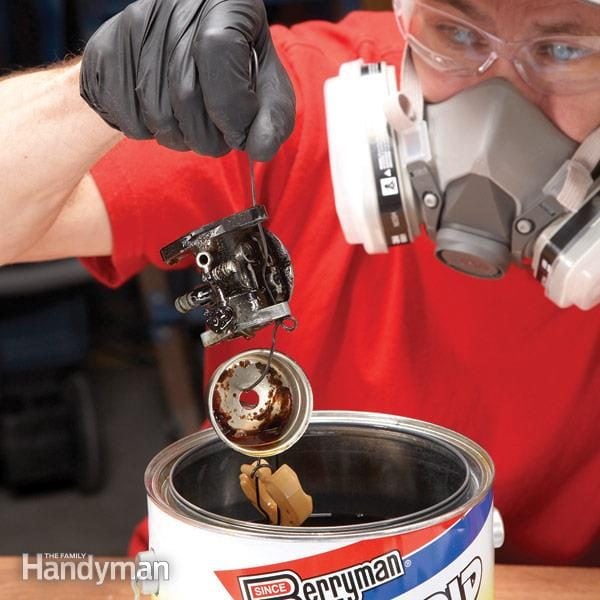
Shut off fuel, remove bowl and jets, clean, reassemble, and test.
If your mower surges, stalls, or won’t start, a dirty carb is a usual suspect. I’ve serviced hundreds of small engines, and I’ll walk you through how to clean lawn mower carburetor the same way pros do it. This guide breaks down causes, tools, safety, and exact steps. By the end, you’ll know how to clean lawn mower carburetor fast, safe, and right the first time.
Understanding your mower carburetor and why it clogs
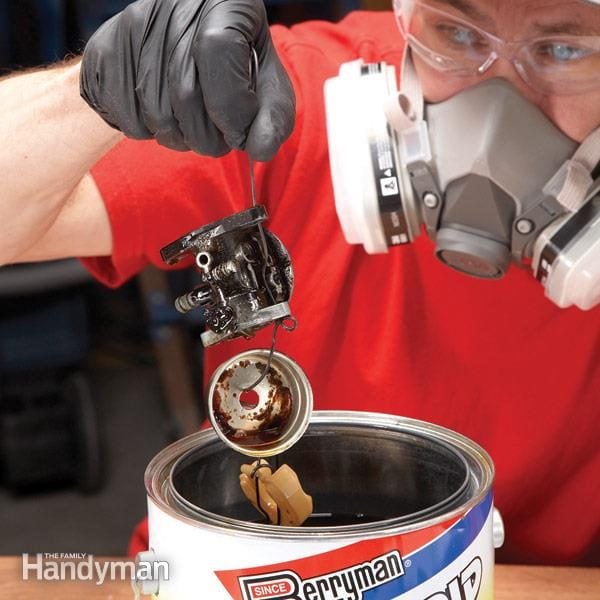
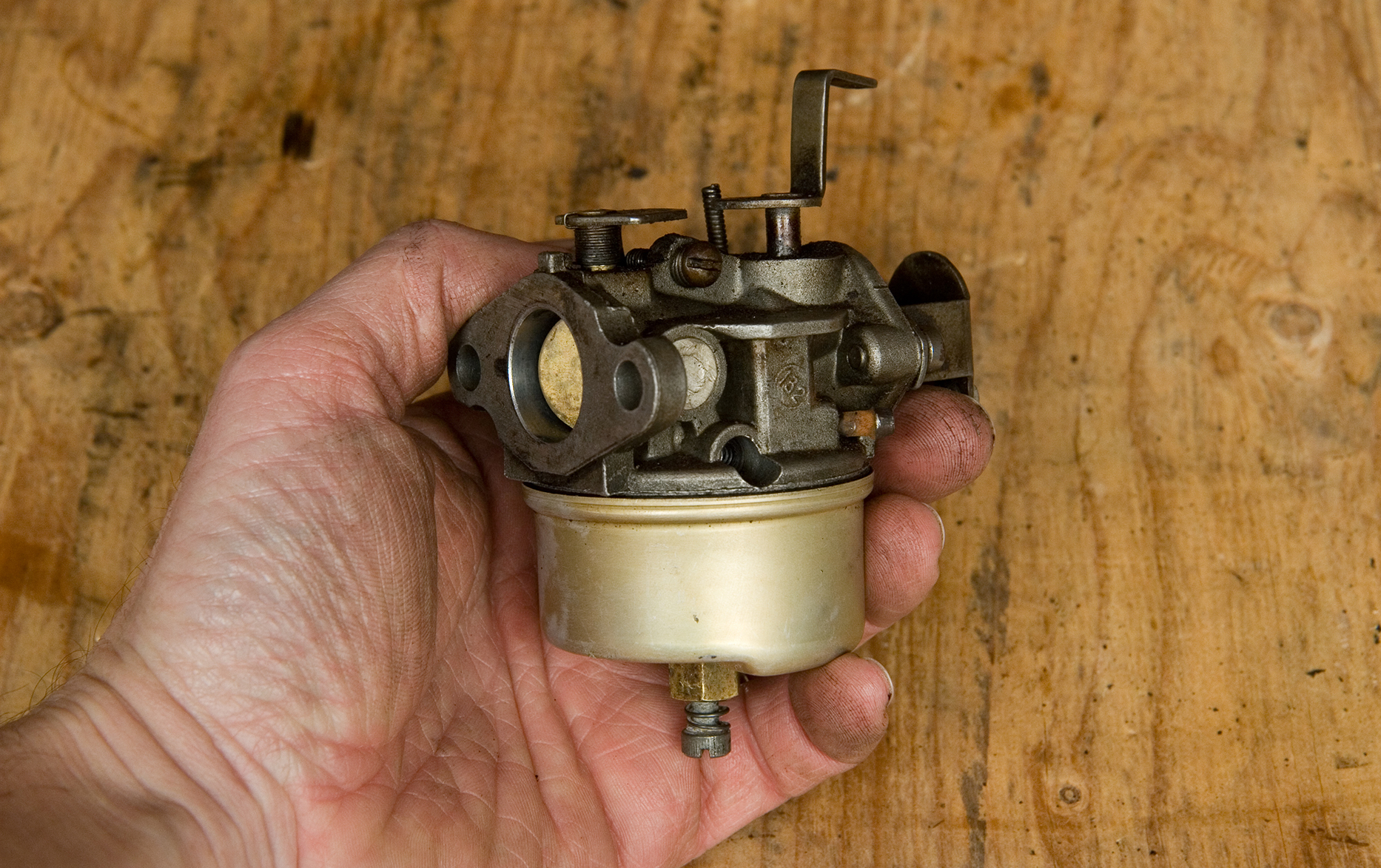
A carburetor mixes fuel and air so your engine can run. Tiny jets and passages handle this job. When those parts clog, your mower runs rough or dies.
Old fuel is the main cause. Ethanol absorbs water and forms gum. Dirt from the tank and air filter also sneaks in. Learn how to clean lawn mower carburetor early, and you’ll stop most no-start issues.
Common signs of a dirty carb:
- Hard starting or no start
- Surging, hunting, or stalling at idle
- Needing choke to stay running
- Black smoke or fuel smell
- Wet carb bowl or leaks
Tools, supplies, and prep
You do not need fancy gear. You do need a clean setup and patience. Before you start, plan where you will drain fuel and work in fresh air.
What to gather:
- Socket set or nut driver
- Screwdrivers, flat and Phillips
- Needle-nose pliers
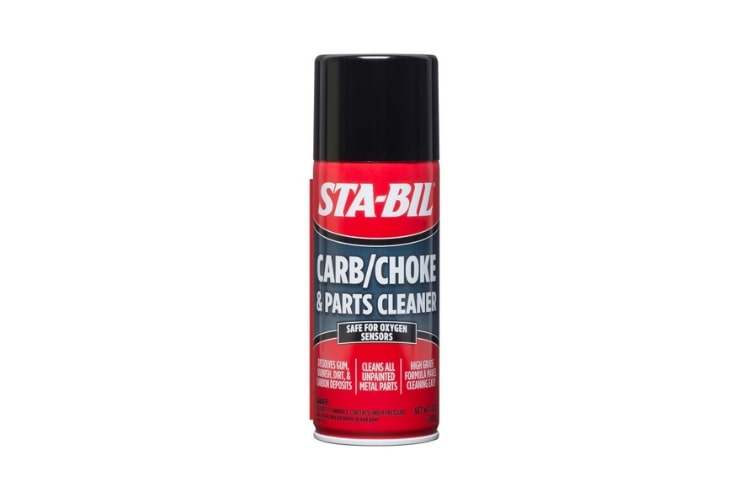
- Carburetor cleaner spray
- Compressed air or a hand pump
- Small wire or nylon bristle from a brush
- Clean rags and a tray
- New bowl gasket and O-rings if worn
- Fuel-safe container for old gas
- Nitrile gloves and safety glasses
Quick prep steps:
- Disconnect the spark plug wire.
- Turn off the fuel valve. If none, clamp the fuel line.
- Wipe the area so dirt does not fall inside.
These basics set you up for how to clean lawn mower carburetor without headaches.
Step-by-step: How to clean lawn mower carburetor
Follow these steps in order. Keep parts in a tray so nothing goes missing. This is the core of how to clean lawn mower carburetor for most walk-behind mowers.
-
Remove the air filter housing
Take off the cover and filter. Unbolt the housing. Note any breather tubes and gaskets. -
Disconnect fuel and linkages
Clamp the fuel line. Pull it off at the carb nipple. Catch any fuel. Unhook the throttle and choke linkages. Take photos for reference. -
Remove the carburetor
Unbolt it from the engine. Keep track of gaskets and spacers. Do not bend the governor arm. -
Drain the bowl
Hold the carb level. Remove the bowl nut at the bottom. Some bowl nuts are the main jet. Save the gasket. -
Clean the bowl and float
Wipe sludge from the bowl. The float should move free. If it sticks, remove the pin and float. Inspect the needle tip for wear. -
Clear the main jet and emulsion tube
Look through the jet. You should see daylight. If not, spray cleaner through it. Use a small nylon bristle to free clogs. Do not enlarge the hole. Push cleaner up through the emulsion tube holes too. -
Clean idle circuit and passages
Spray cleaner into all drillings and ports. Use short bursts. Follow with compressed air. Wear eye protection. Clearing these makes a big difference. -
Inspect gaskets and O-rings
Flattened or cracked seals cause leaks and air leaks. Replace as needed. A cheap kit saves repeat work. -
Reassemble the carb
Install the float and needle. Fit the bowl with a fresh gasket. Tighten the bowl nut snug, not crazy tight. -
Refit to the engine
Reinstall gaskets and spacers the right way around. Reconnect linkages as per your photos. Attach the fuel line and remove the clamp. -
Restore the air filter housing
Bolt it up. Install a clean filter. A dirty filter will undo your work. -
Test run and fine-tune
Open the fuel valve. Prime if your model needs it. Start with partial choke, then open. Adjust idle speed if needed. Let it warm a few minutes.
Pro tips from the field:
- If the engine only runs on choke, the main jet is still dirty.
- Surging at idle points to a blocked idle jet or air leak.
- If the bowl gasket seeps, replace it. Do not rely on sealant.
Practice these steps, and how to clean lawn mower carburetor becomes second nature.

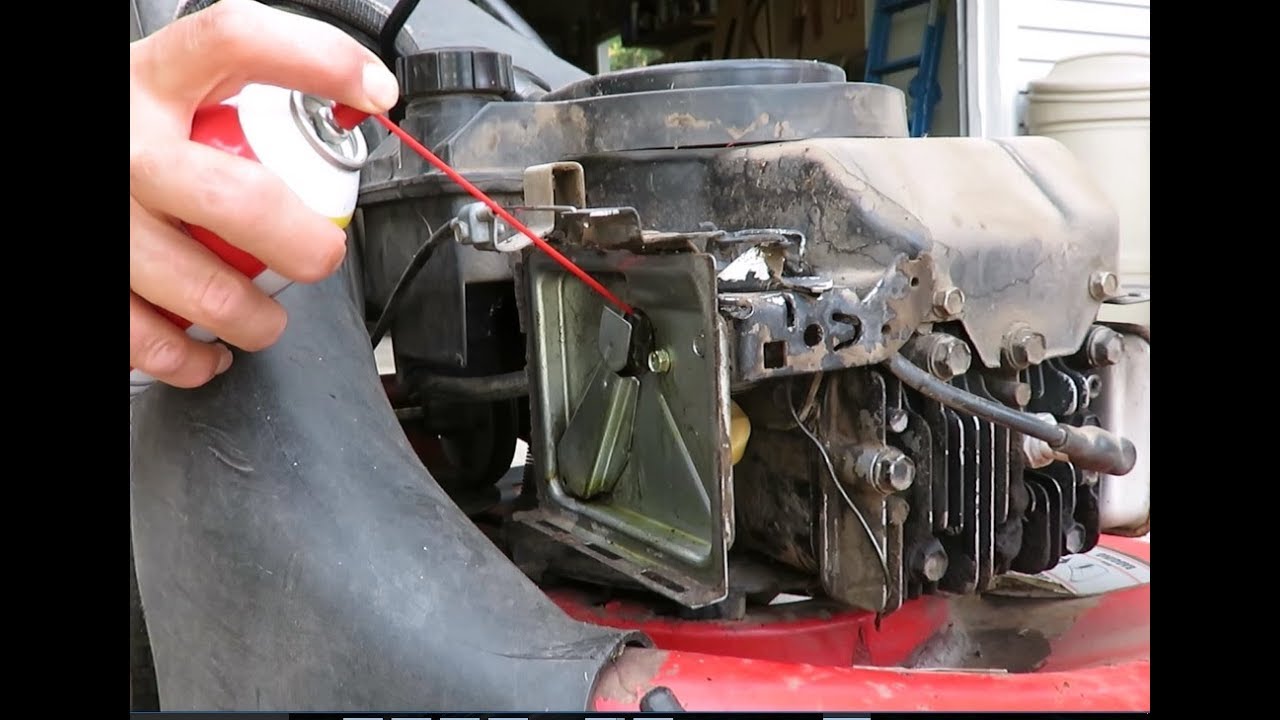
Quick method: Clean without removing the carb
Short on time? You can try a fast clean that often helps. It is not as good as a full tear-down. Still, it may fix light gum.
Try this:
- Spray carb cleaner into the air intake with the engine off.
- Remove the bowl drain, if present, and flush old fuel out.
- Start the engine and give short sprays at the intake. Do not flood it.
Use this as a stopgap. Learn how to clean lawn mower carburetor the full way for long-term results.
Deep cleaning and rebuild best practices
Some carbs need more love. If the float needle leaks or the throttle shaft wobbles, a rebuild is smart. This is when to step up your plan for how to clean lawn mower carburetor.
Good moves:
- Use an ultrasonic cleaner with warm water and a mild degreaser.
- Install a rebuild kit with new gaskets, needle, and seat.
- Replace cracked fuel lines and the fuel filter.
- Check the governor arm bushing and throttle plate screws.
If corrosion has eaten ports, replace the carb. Time is money. A new carb can be cheaper than hours of struggle.

Preventive maintenance so you clean less often
Most carb issues start with fuel and storage. A few small habits will cut future cleanings. This is the hidden win in learning how to clean lawn mower carburetor.
Simple habits that work:
- Use fresh gas. Buy only 30 days’ worth.
- Add a stabilizer at every fill if storage is likely.
- If possible, use ethanol-free fuel.
- Run the engine dry before winter. Or shut the fuel valve and run until it stalls.
- Replace the air filter every season.
- Change the spark plug yearly.
Good fuel and air stop 80% of problems. Your mower will thank you.

Troubleshooting after cleaning
Cleaned the carb and it still acts up? Do not worry. Here is what to check next. This will round out your skill in how to clean lawn mower carburetor.
Common issues and quick checks:
- Still surging
Clear the idle jet again. Check for an air leak at the carb gasket. - Leaking fuel
Replace the bowl gasket. Inspect the float needle and seat. - No start
Confirm spark. Verify fresh fuel. Make sure choke closes when cold. - Runs rich or smokes
Air filter may be clogged. Float may be heavy or set wrong.
If problems remain, the ignition coil or valves may be at fault. Do a quick spark test and compression check.
Safety and environmental notes
Gas and cleaner are flammable and toxic. Work outside or in a well-vented area. Keep a fire extinguisher nearby. Store fuel in approved cans.
Dispose of old gas and rags at a proper site. Do not pour fuel on the ground or down a drain. Safety makes how to clean lawn mower carburetor a clean win, not a risky job.
Frequently Asked Questions of how to clean lawn mower carburetor
How often should I clean my mower carburetor?
Once a season is a good rule. Clean it sooner if you use old fuel or see surging or hard starts.
Can I clean the carb without removing it?
Yes, for light clogs. Spray cleaner through the intake and drain the bowl, but a full removal cleans deeper.
What is the best cleaner for mower carbs?
Use a quality carburetor cleaner spray. Avoid harsh wire that can enlarge jets and throw off fuel mix.
Why does my mower only run on choke after cleaning?
The main jet or emulsion tube is still dirty. Remove the jet and clear it until you can see clean light through it.
Is it worth buying a rebuild kit?
Yes if gaskets are old or the needle leaks. A kit is cheap and saves repeat repairs.
How do I know if the carb is beyond repair?
Severe corrosion, stripped screws, or a worn throttle shaft are signs. At that point, a new carb is faster and often cheaper.
Do I need to adjust the carb after cleaning?
You may need a small idle speed tweak. Most modern carbs have fixed jets, so adjustments are limited.
Conclusion
A clean carb brings a mower back to life fast. You now know how to clean lawn mower carburetor step by step, spot the signs, and prevent clogs with smart fuel habits. Set aside an hour, follow the steps, and your mower should start on the first pull.
Tackle your carb today, then keep it clean with fresh fuel and a simple winter routine. Want more small-engine fixes? Subscribe, share your results, or drop a question so I can help you next.