

Rear-tine tillers excel in hard ground and large plots; front-tine shines in small, loose beds.
If you want a clear answer to front vs rear which tine tiller is best, you are in the right place. I have tilled new yards, turned clay into gardens, and prepped beds each spring. I will show you how to choose with confidence, using simple steps and real results.

Front-tine vs rear-tine: what they are and how they differ
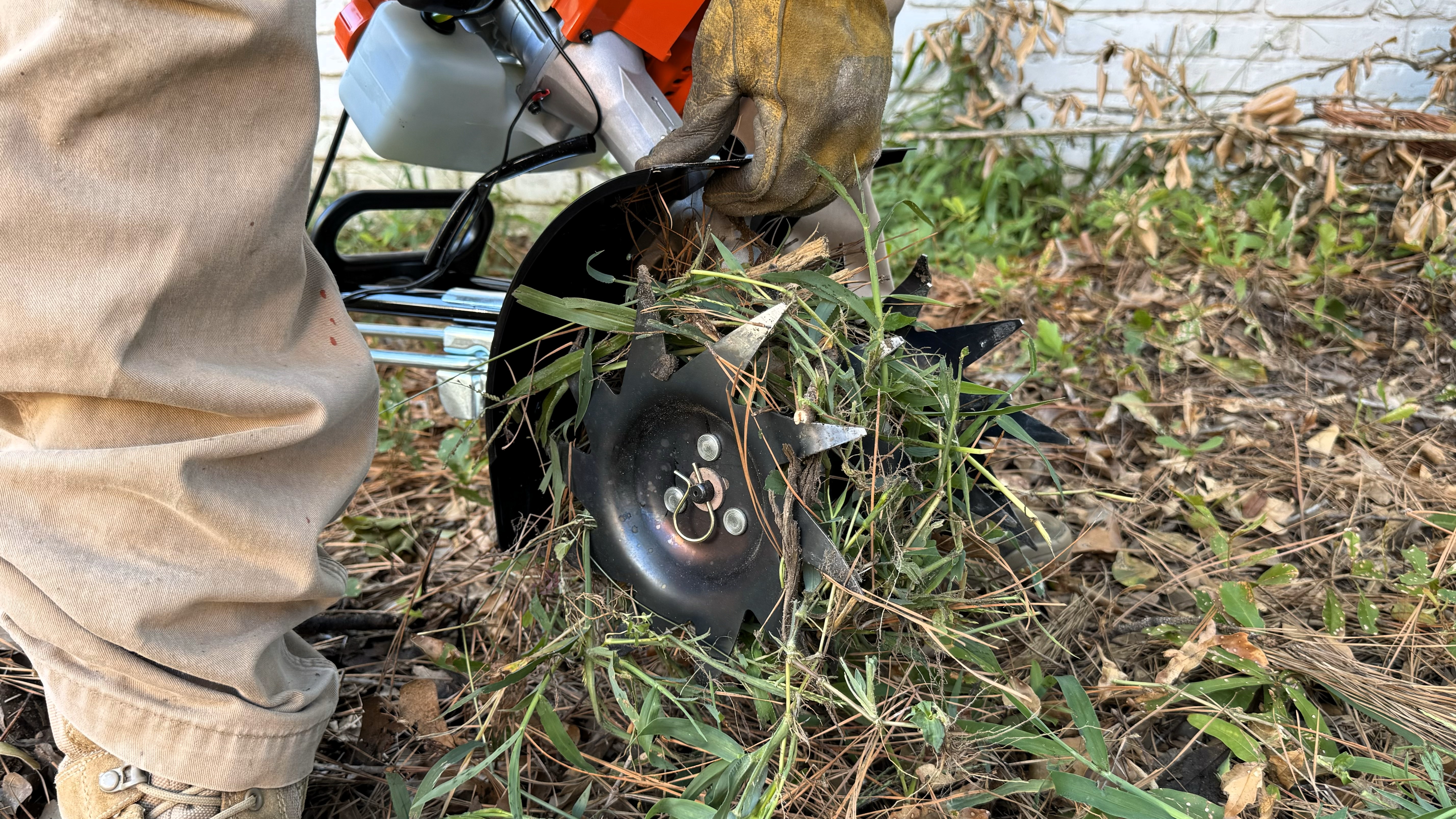
Front-tine tillers have the blades in front of the wheels. They pull themselves forward. You guide the handle to steer, push, and control depth. They are light, nimble, and budget friendly.
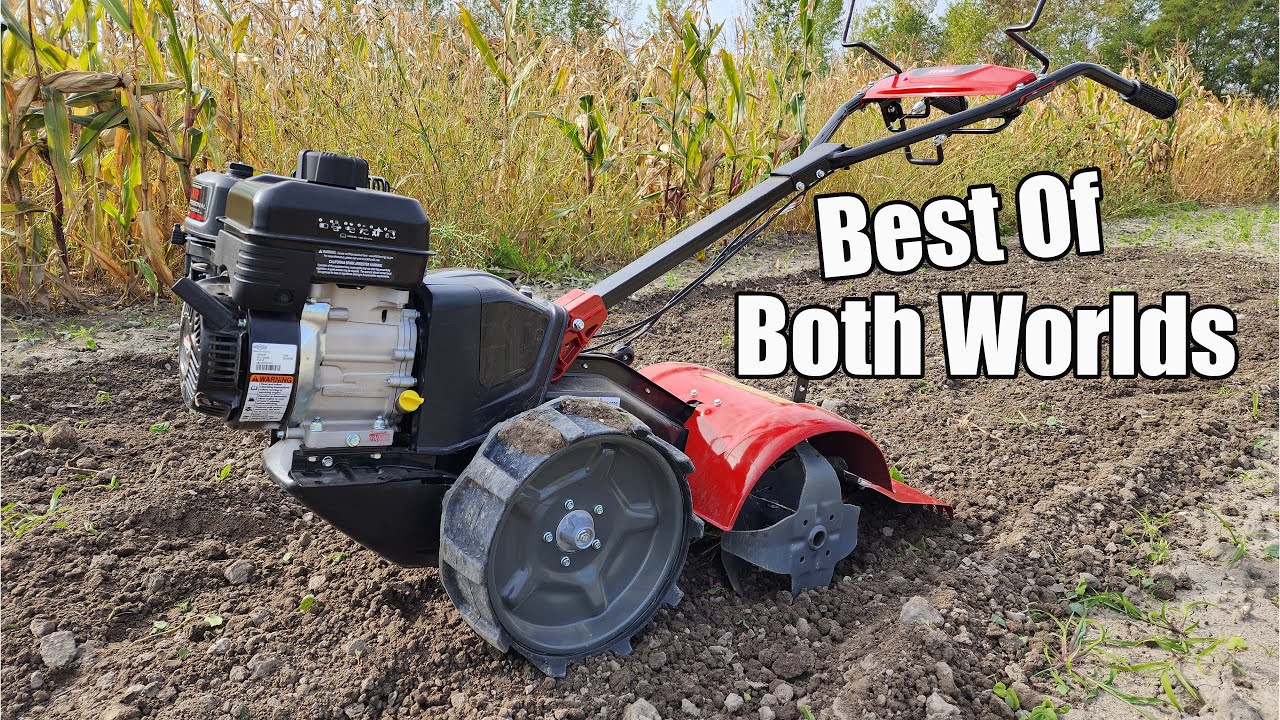
Rear-tine tillers have the blades behind the wheels. The engine and wheels drive the machine ahead. The blades cut soil from the back. They are heavier, stronger, and more stable.
In short, front-tine is great for light to medium work. Rear-tine is best for tough ground. This frames front vs rear which tine tiller is best for your yard and soil.
Front-tine tillers: strengths, limits, and best uses
Front-tine machines shine in small to mid-size gardens. They work well in loose soil, compost-rich beds, or raised beds. They are easy to load, store, and move.
Strengths:
- Lower cost and simpler to maintain
- Better maneuvering in tight rows or around plants
- Lighter weight, often 70 to 120 pounds
Limits:
- Less traction in hard clay or sod
- More effort to hold and guide at depth
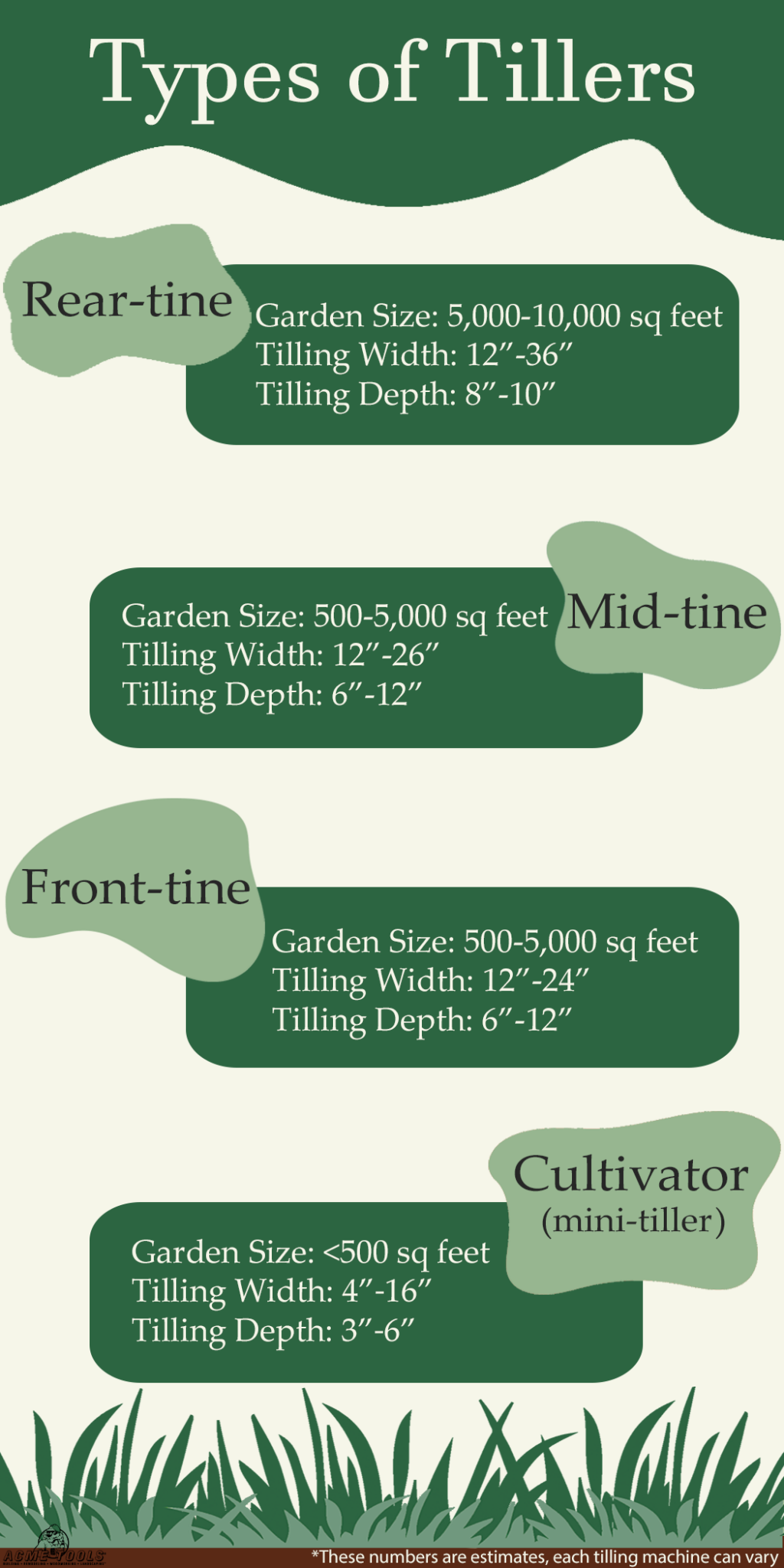
- Typical depth of 6 to 8 inches
Best uses:
- Re-tilling beds each spring
- Mixing compost and amendments
- Weeding between rows
If your main question is front vs rear which tine tiller is best for small, soft soil, front-tine takes the win.
Rear-tine tillers: strengths, limits, and best uses
Rear-tine units bring power and control. The wheels drive the machine forward. The blades work from the rear, which adds bite and balance. Many models have counter-rotating tines for extra grab.
Strengths:
- Breaks new ground and heavy clay
- More stable tracking and depth control
- Typical depth of 8 to 12 inches
- Heavier weight, often 150 to 300 pounds, adds traction
Limits:
- Higher price and more storage space
- Heavier to transport and load
- More complex drivetrain
Best uses:
- First-time garden plots and sod
- Clay, rocky, or compacted ground
- Large plots and long rows
For front vs rear which tine tiller is best in new, hard ground, rear-tine is the clear choice.

Which is best for your soil, size, and tasks
Use this simple way to decide. Match your soil and jobs to the tool.
Soil type:
- Loose loam or sandy beds: Front-tine works fast with low effort.
- Heavy clay or rocky soil: Rear-tine with counter-rotating tines is best.
- Mixed soil with some roots: Rear-tine or a front-tine with sharp, heavy tines.
Plot size:
- Under 400 square feet: Front-tine saves space and money.
- 400 to 1,000 square feet: Either works; choose based on soil and depth needs.
- Over 1,000 square feet: Rear-tine saves time and your back.
Tasks:
- Breaking new ground: Rear-tine wins.
- Seasonal refresh and weed control: Front-tine is easy.
- Deep tilling for root crops: Rear-tine reaches deeper.
- Mixing compost in raised beds: Front-tine is nimble.
User comfort:
- New to tillers: Rear-tine tracks straighter and feels calmer in tough soil.
- Need light weight: Front-tine is easier to lift, store, and turn.
Budget:
- Tight budget: Front-tine offers great value.
- Long-term use on big plots: Rear-tine pays off in time saved.
For searchers asking front vs rear which tine tiller is best, think of ground first, then size, then budget. If two factors say rear-tine, go rear. If two say front-tine, go front. If you split, rent each for an hour and test.
Key features to compare before you buy
Tine rotation:
- Standard rotation: Tines spin forward. Good for loose soil.
- Counter-rotation: Tines spin backward. Best for hard ground and deep work.
- Dual-rotation: Switch modes. Great for mixed tasks.
Engine power:
- Front-tine often 150 to 250 cc
- Rear-tine often 200 to 300 cc
- More torque helps in clay and sod
Drive and gears:
- Belt drive is common and easy to service
- Gear drive can be durable on heavy-duty units
- Multiple speeds help match soil and pace
Weight and balance:
- Heavier machines bite better, but store harder
- Look for adjustable depth stakes and side shields
Build and comfort:
- Sturdy tine shield for safety
- Adjustable handle height and angle
- Easy access to belts, filters, and spark plug
These features guide the call on front vs rear which tine tiller is best for your lawn and soil plan.

Cost, ownership, safety, and maintenance
Costs:
- Front-tine: Lower purchase price and lower fuel use
- Rear-tine: Higher price, but faster on big jobs
Maintenance:
- Change oil, air filter, and spark plug each season
- Check belt tension and tine wear
- Grease points as the manual shows
Fuel and storage:
- Use fresh fuel and a stabilizer for winter
- Store dry and clean to prevent rust
- Drain fuel if sitting long
Safety:
- Wear boots, gloves, eye protection
- Keep bystanders and pets away
- Do not force the tiller; let it bite at its pace
If you weigh total cost and care, you will see how front vs rear which tine tiller is best will also depend on how often you till and how hard the soil stays.
:strip_icc()/bhg-champion-counter-rotating-gas-rear-tine-tiller-kathy-barnes-14-4987f1726c0e41a79005652674144d8c.jpeg)
Field notes from real jobs: what actually works
I helped a neighbor turn a patch of lawn into a 20 by 30 foot garden. A front-tine bounced on the sod. We switched to a rear-tine with counter-rotating tines. It chewed through in two passes.
In my own raised beds, a small front-tine is my go-to. It fits between rows. It blends compost fast and easy. For first-year plots, I borrow a rear-tine, then maintain with the front-tine.
Lesson learned:
- Use rear-tine to start strong
- Use front-tine to keep beds nice
- Keep blades sharp for less effort
These jobs shaped how I answer front vs rear which tine tiller is best for most folks.

Quick buying checklist and decision steps
Use this simple checklist to pick with confidence.
- Soil test: Is it clay, loam, or sandy? Any sod or roots?
- Plot size: Under 400 sq ft, 400 to 1,000, or more than 1,000?
- Depth goal: 6 to 8 inches, or 8 to 12 inches?
- Storage: Do you have space for a heavy unit?
- Budget: Upfront cost plus fuel and upkeep
Decision steps:
- If breaking new ground or clay, pick rear-tine, ideally counter-rotating.
- If working small, soft beds, pick front-tine.
- If needs are mixed, look at dual-rotation rear-tine or rent as needed.
- Try before you buy if unsure. One hour tells the truth.
- Check local dealers for service and parts.
Follow this, and the front vs rear which tine tiller is best choice will be clear.

Frequently Asked Questions of front vs rear which tine tiller is best
Is a front-tine tiller good for breaking new ground?
It can work in light soil, but it will bounce in sod or clay. A rear-tine with counter-rotating tines does better for first-time plots.
Do rear-tine tillers dig deeper than front-tine models?
Yes, most rear-tine models reach 8 to 12 inches. Many front-tine models top out at 6 to 8 inches.
Which is easier to use for beginners?
Rear-tine machines track straighter and feel calmer in tough soil. Front-tine is easier to lift and store, but needs more control in hard ground.
How often should I sharpen or replace tines?
Check tines each season. Sharpen light wear; replace when teeth round off or chip.
What about dual-rotation rear-tine tillers?
They switch between forward and counter rotation. This gives you speed in soft soil and bite in hard soil with one machine.
Is front vs rear which tine tiller is best the same for all gardens?
No. Soil type, plot size, and depth goals change the answer. Test a machine on your soil when you can.
Conclusion
Rear-tine tillers are best for new ground, clay, and large plots. Front-tine tillers are best for small gardens, loose soil, and tight spaces. Pick by soil first, then size, then budget. If you still wonder about front vs rear which tine tiller is best, rent each for an hour and feel the difference.
Ready to choose? Use the checklist, visit a local dealer, and try a demo. Share your soil type and goals in the comments, and I can help fine-tune your pick.