
Charge $35–$80 per mow, or $6–$12 per 1,000 sq ft, in most US markets.
If you want to know how much to charge for lawn mowing and feel confident about your rate, you’re in the right place. I’ve priced thousands of cuts across suburbs, small towns, and dense cities. This guide breaks down real numbers, formulas, and simple steps so you can set fair prices, protect profit, and win repeat work without guesswork.

How mowing prices are set
Most pros set prices using one of a few simple models. When you ask how much to charge for lawn mowing, you often need a model that fits your route, tools, and time.
Common pricing models:
- Flat rate per mow Simple and fast. Best for recurring clients.
- Price per 1,000 sq ft Clear and scalable. Great for different yard sizes.
- Hourly rate Useful for complex, unknown jobs. Less common for standard weekly cuts.
- Per acre Best for large properties or fields.
- Subscription Weekly or biweekly service that bills monthly.
I like a blend. I set a base price that covers the first 3,000 sq ft. Then I add a small fee for each extra 1,000 sq ft. It keeps quotes easy and fair. It also helps repeat work feel predictable for both sides.
When you think about how much to charge for lawn mowing, choose a model you can explain in one line. Clear is kind. Clear also closes deals.
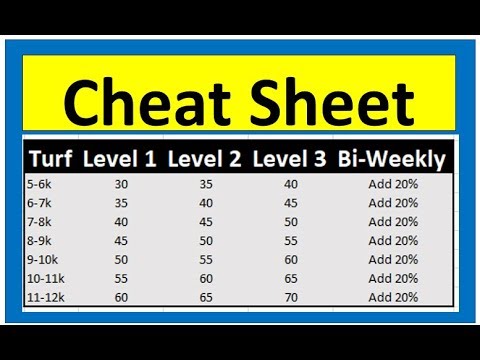
Benchmarks: what homeowners pay in most markets
Here are realistic ranges I see in the US. They fit most residential jobs. These help answer how much to charge for lawn mowing without overthinking it.
Typical benchmarks:
- Flat fee per mow for small to mid lawns $35 to $80
- Per 1,000 sq ft of turf $6 to $12
- Per acre finish mowing $80 to $150 per acre for the first acre, less for each extra
- Hourly $45 to $75 per labor hour, including drive time
- Minimum trip charge $30 to $45
Regional shifts:
- Big cities and coastal areas 10 to 25 percent higher.
- Rural areas with long drives Use a higher minimum and add travel time.
Seasonal effects:
- Spring surge Growth is fast, demand jumps, prices run at the top of your range.
- Drought or winter slowdown Prices hold, but frequency drops. Offer biweekly plans.
Data note Industry surveys often show a national average of about $30 to $65 per mow. That lines up with what I see in the field.
Use these guardrails when setting how much to charge for lawn mowing. Then fine-tune with your costs and your market.

Your cost formula: from break-even to profit
Price is a promise. It should cover costs and pay you well. Here is a simple way to set how much to charge for lawn mowing with confidence.
Step-by-step:
- Time Block the job. Include drive, unload, mow, trim, edge, and blow.
- Labor Multiply total time by your target billable rate. I suggest $55 to $70 per hour per person for solo operators.
- Fuel And fluids Estimate $1.50 to $4 per mow, based on mower size and time.
- Maintenance Blades, belts, plugs, oil. Add $1 to $3 per mow.
- Equipment depreciation Set aside $2 to $5 per mow for future replacements.
- Insurance and admin Spread your monthly costs across your route. Often $2 to $6 per mow.
- Profit Aim for at least 20 to 30 percent margin on top of all costs.
Example
- 20 minutes mow and trim, 10 minutes drive, total 30 minutes.
- Labor billed at $60 per hour equals $30.
- Fuel and maintenance total $4.
- Overhead and depreciation total $6.
- Cost is $40. Add 25 percent profit equals $50. Round to $50 or $55.
That is how I justify how much to charge for lawn mowing on paper and in my quotes. Numbers build trust.
Pricing factors that change the rate
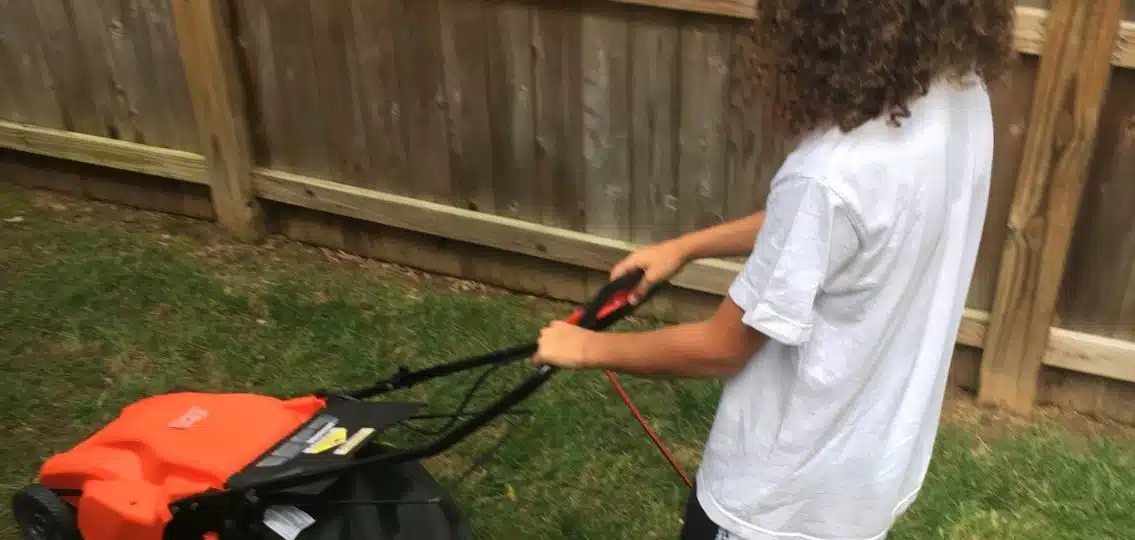
Two lawns with the same size can take very different time. Adjust your price to match the work. This is key when deciding how much to charge for lawn mowing that feels fair.
Increase the price for:
- Overgrown or wet grass Add 25 to 100 percent for the first cut.
- Many obstacles Trees, beds, toys, trampolines, and furniture add trim time.
- Steep slopes Slows down and adds risk.
- Small gates 21-inch push mowing is slower than a 36-inch or 48-inch deck.
- Long edging runs Curbs and sidewalks take time.
- Clipping haul-away Charge for bagging and disposal.
- Long drive time Add a travel fee or raise your minimum.
Lower or hold steady for:
- Simple, flat lawns Few trees and wide gates.
- Weekly service Less growth per visit. Offer a small discount.
- Route density Several clients on the same street.
When you debate how much to charge for lawn mowing, think in minutes. Price follows minutes.

Service packages and add-ons
Packages make quotes simple. They also boost route value. When a client asks how much to charge for lawn mowing, show options, not one number.
Good, better, best idea:
- Basic Mow, trim, edge, and blow.
- Plus Basic, plus bagging or selective mulching, and monthly hedges.
- Premium Plus package with seasonal fertilizer, spot weed control, and fall aeration.
Common add-ons:
- Bagging or haul-away Flat fee or per bag.
- Fertilizer and weed control Priced per 1,000 sq ft.
- Aeration and overseeding Seasonal high-margin work.
- Dethatching Spring tune-ups.
- Leaf removal Flat fee by section or per tarp.
Bundling tip Offer 10 percent off add-ons when bundled with weekly mowing. It raises the lifetime value of each lawn and supports stable pricing.
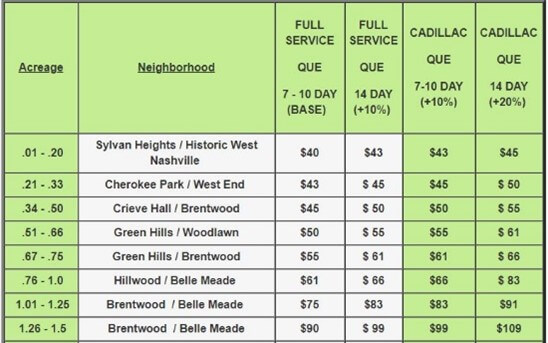
Rate templates and real-world examples
Here are ready-to-use templates. Tweak them to match your market. They help you state how much to charge for lawn mowing with clarity.
Simple tier by size:
- Up to 3,000 sq ft $40 to $50
- 3,001 to 6,000 sq ft $50 to $65
- 6,001 to 10,000 sq ft $65 to $85
- Over 10,000 sq ft Add $6 to $10 per extra 1,000 sq ft
Per-acre template:
- First acre $110
- Each extra acre $70 to $90
- Tall or wet grass Surcharge 25 to 100 percent on the first visit
Extras:
- Bagging $5 to $15
- Haul-away $10 to $25
- Gate under 36 inches Add $5 to $10
- Travel outside service area $10 to $20
Worked example
- 7,500 sq ft, weekly, simple yard.
- Base $50 for first 3,000 sq ft, plus $8 per 1,000 sq ft for 4.5 more equals $36.
- Quoted price $86 weekly, or $92 biweekly due to growth.
This is a clean way to say how much to charge for lawn mowing without haggling.

Policies, quotes, and payment tips
Good policies protect your time and profit. They also make clients feel safe. They help you stand firm when asked how much to charge for lawn mowing.
Set clear terms:
- Minimum charge Every visit has a floor price.
- Weather and access If gates are locked or grass is too wet, you reschedule or charge a fee.
- Tall grass first cut Priced higher, then normal rate after.
- Payment due date Auto-pay is ideal for weekly plans.
Quote script I use
- After measuring turf, I send a short message. I include price, what is included, schedule, and how to pay. I repeat how much to charge for lawn mowing in plain words. I add photos when helpful. Clear quotes reduce back-and-forth.
Payments that work
- Card on file for recurring service.
- Invoice at month-end for weekly clients.
- Late fee after 7 to 10 days.
Mistakes to avoid and lessons from the field
I have made most mistakes so you do not have to. These notes shape how much to charge for lawn mowing across seasons.
Common mistakes:
- Pricing by feel You undercharge and burn out.
- Ignoring drive time It kills profit. Add it into your rate.
- Skipping a minimum Small yards still take setup time.
- Not charging for bagging Wet or tall grass fills bags fast.
- No rain plan Wet cuts can double time. Reschedule or price it in.
Lessons learned:
- Route density beats low prices Ten close lawns at a fair rate will beat five far lawns at a higher rate.
- Photos save you Show the first-cut height and the result. Clients see value.
- Raise rates yearly Costs rise. Tell clients early. Keep it small and steady.
These habits make it easy to answer how much to charge for lawn mowing with calm and confidence.
Frequently Asked Questions
How do I price a very small lawn?
Set a minimum trip charge. Even a tiny lawn needs travel and setup time, so a $35 to $45 minimum is fair.
Should I charge more for biweekly mowing?
Yes. Grass gets taller and takes longer. I add $5 to $15 compared to weekly service.
Is hourly pricing better than flat rates?
Flat rates are faster to sell and protect profit with efficient routes. Hourly works for unknown or complex one-time jobs.
How do I handle tall or overgrown grass?
Quote a one-time cleanup price with a clear surcharge. After the first cut, move the client to a normal weekly rate.
Do I include edging and blowing in the price?
Yes for standard service. If the client wants extra edging detail each visit, add a small fee or move them to a higher tier.
Conclusion
You now have a clear plan to set fair, profitable rates. Start with local benchmarks, use a simple cost formula, adjust for time-wasters, and set firm policies. That is how you decide how much to charge for lawn mowing without stress.
Run three quotes today using the templates above. Track time, adjust, and lock your route. If this helped, subscribe for more field-tested pricing guides, or drop a question in the comments.