
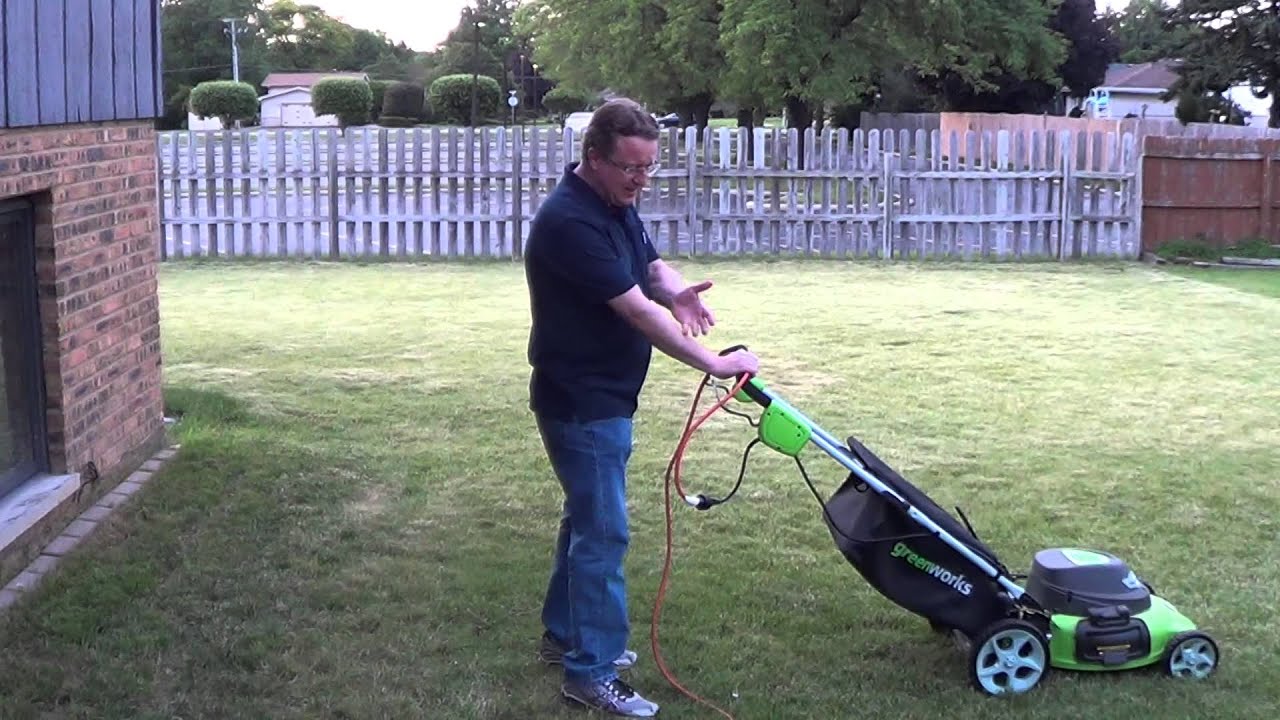
Inspect the yard, set the deck height, start safely, and mow in steady rows.
If you came here searching lawn mower how to use, you’re in the right place. I’ve spent years setting up, tuning, and teaching people how to run mowers with confidence. This guide breaks down lawn mower how to use from safety and setup to clean stripes and easy care. Stick with me, and you’ll master lawn mower how to use in a single read.

Safety and setup checklist
Before you touch the starter, make safety a habit. Wear closed-toe shoes, eye protection, and hearing protection. Keep kids and pets inside the house. Walk the yard and pick up sticks, toys, stones, and wires.
Do a quick pre-check. Confirm oil level on gas mowers and charge level on battery mowers. Inspect the blade for chips and tighten the blade bolt if needed. Set the deck height high for the first pass.
Mind the weather. Skip mowing on wet grass to avoid slips and clumps. Check the cord on corded mowers for nicks. For gas units, move at least 10 feet away from where you filled the tank before starting. If your goal is lawn mower how to use with fewer headaches, this checklist is your best friend.

Know your mower and its controls
Different mowers work in different ways. Gas push mowers use a pull cord, have a choke or primer bulb, and a bail bar to stop the blade. Corded electric mowers use an on/off button and a safety lever. Cordless units add a removable battery and often a key.
Reel mowers are human-powered. They cut best on short, well-kept grass. Self-propelled mowers have a drive lever to help you move at a steady pace. Riding mowers add a seat switch, parking brake, and a blade engage lever.
Learn the safety features. Most walk-behind mowers stop the blade when you release the bail bar. Many electric mowers need two actions to start, like holding a lever and pressing a button. Knowing these controls is core to lawn mower how to use without stress.

Step-by-step: start and run the mower
Gas push mower start:
- Move to a clear spot. Open the fuel valve if present.
- Prime the bulb if your model has one. Set choke if cold.
- Hold the bail bar. Pull the starter cord in a smooth, firm motion. Ease off the choke after it catches.
Cordless start:
- Insert a charged battery and the safety key.
- Hold the bail bar, press the start button, then release to stop.
- Keep a spare battery charged if you have more than 30 minutes of mowing.
Corded start:
- Plug into a GFCI outlet and use an outdoor-rated cord.
- Start at the outlet and work away so the cord trails behind you.
- Toss the cord over your shoulder on turns to avoid running it over.
Reel mower:
- Set the cut height. Push at a brisk pace to keep blades spinning.
- Reel mowers shine on small, flat lawns with frequent cuts.
Riding mower:
- Sit down, set the brake, and start the engine.
- Engage the blades only when you are on the grass.
- Disengage blades and set brake before leaving the seat.
If you want lawn mower how to use that lasts, warm the machine for a minute, then mow. Keep hands and feet away from the deck at all times.
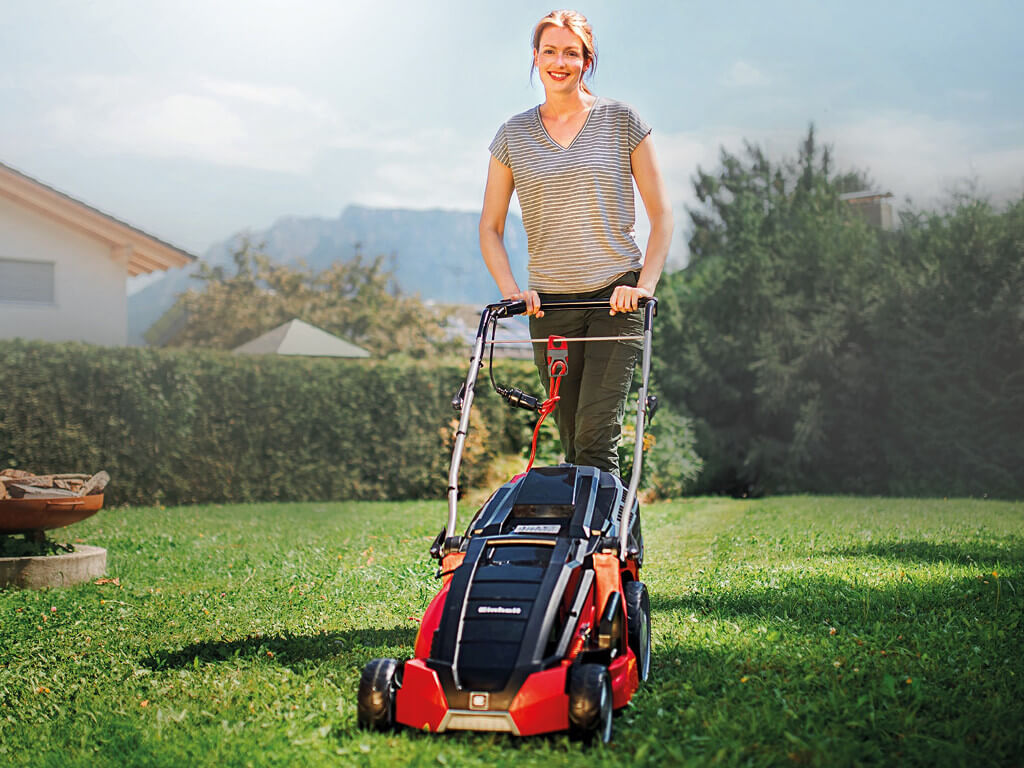 technique that protects your grass”
style=”max-width: 100%; height: auto; border: 2px solid black; border-radius: 10px; display: block; margin: 0 auto;”
loading=”lazy”
/>
Mowing technique that protects your grass
Follow the one-third rule. Never remove more than one-third of the grass height in one cut. Taller grass shades the soil, saves water, and fights weeds. It also makes lawn mower how to use much easier.
Pick a smart pattern. Edge the yard first, then mow in straight lines with slight overlap. Change directions every week to stand the grass up and reduce ruts. Keep a steady walking speed to get an even cut.
Mind the grass type and season. Cool-season lawns like Kentucky bluegrass like 2.5–3.5 inches. Warm-season lawns like Bermuda often look best at 1–2 inches when healthy. Avoid mowing wet grass to prevent clumps and dull blades.
Slope safety matters. With a push mower, mow across the slope, not up and down. With a riding mower, mow up and down, not across. That simple switch lowers your risk of slips and rollovers.
From experience, the fastest way I’ve fixed a “bad lawn” look was raising the deck, sharpening the blade, and slowing my pace. Those three changes make lawn mower how to use feel smooth and look pro.

Bagging, mulching, or side discharge
Mulching returns fine clippings to the soil. It feeds the lawn with nitrogen and cuts down on fertilizer use. Use it when grass is dry and you are cutting often.
Bagging is best after dethatching, when the lawn is wet, or if you see weed seeds. It keeps debris out of beds and patios. Side discharge shines when grass is tall and you need speed, then you can re-mow to chop clippings small.
Switching modes is simple. Close the mulch plug for mulching. Attach the bag for bagging. Add the chute for side discharge. If you want lawn mower how to use to save time and money, mulch most weeks.
Tricky spots: edges, slopes, and obstacles
Trim first to save passes later. Use a string trimmer around trees, fences, and play sets. Then mow to clean up the trimmer line and leave a neat edge.
Protect trees and beds. Use guards or ring mulch around trunks to prevent bark damage. Lift the front wheels a touch when crossing roots to avoid scalping. For curb strips, mow with the wheels on the pavement to hold a level cut.
Watch hidden hazards. Sprinkler heads, buried dog toys, and roots can chip blades or throw objects. I once hit a hidden tent stake and learned to scan with my foot before every first pass. If you keep lawn mower how to use at a mindful pace, you avoid most surprises.

After-mow care and simple maintenance
Quick post-mow care saves big repairs. Let the engine cool. Brush off the deck and bag. For electric models, never hose the deck; use a damp cloth and a plastic scraper.
Keep the blade sharp. A sharp blade makes clean cuts and a greener lawn. Plan to sharpen every 20–25 hours of use, or at least once per season. Replace dull or bent blades.
Check air filter, spark plug, and fuel. Use fresh fuel and add stabilizer if gas will sit more than 30 days. For batteries, store at room temp and around 40–60% charge for long life. If lawn mower how to use means fewer stalls, this care list is your roadmap.

Troubleshooting: quick fixes that work
Won’t start:
- Gas mower: Check fuel level, fresh gas, spark plug wire, and air filter. Prime and choke for cold starts.
- Electric: Confirm the battery is seated or cord is live. Hold the safety lever fully.
Stalls or cuts out:
- Raise the deck in thick grass. Slow your pace. Clean packed clippings under the deck.
- On gas engines, check for a clogged carb or old fuel.
Uneven cut or scalping:
- Level the deck and match wheel heights. Sharpen the blade.
- Overlap more and keep a steady speed.
Vibration or strange noise:
- Stop at once. Remove the spark plug wire or battery before checking. Look for a bent blade or stuck debris.
Each of these steps is part of lawn mower how to use with calm, not panic. Simple checks solve most issues fast.
Smart habits and eco tips
Cut high and cut often. Taller grass reduces weeds and cools the soil. Aim to mow in the evening to reduce heat stress. Avoid peak noise hours to be a good neighbor.
Think emissions and energy. Electric mowers cut local emissions and need little upkeep. Gas engines run best on fresh, ethanol-aware fuel and with regular filter checks. Both can be safe and clean when used well.
Help pollinators. Skip mowing a strip along a fence or mow every other week in spring when flowers pop. That small choice helps bees and butterflies and still keeps a tidy yard. If you care about lawn mower how to use for a healthy yard and planet, these habits pay off.
Frequently Asked Questions of lawn mower how to use
How often should I mow?
Most lawns like a weekly cut in peak growth, and every 10–14 days in slower seasons. Follow the one-third rule, not the calendar.
What height should I set my mower?
Start at 3 inches for most lawns and adjust by season and grass type. If unsure, go higher to avoid scalping.
Can I mow wet grass?
It is not ideal. Wet grass clumps, dulls blades, and can be slippery, so wait until it dries.
How do I use a lawn mower on a slope safely?
With push mowers, mow across the slope. With riding mowers, mow up and down and avoid very steep slopes.
When should I bag instead of mulch?
Bag after heavy leaves, when the lawn is wet, or if weeds are seeding. Mulch most other times for free nutrients.
How do I sharpen mower blades?
Remove the spark plug wire or battery, take off the blade, and sharpen evenly. Balance the blade before reinstalling.
Why does my mower leave lines of clippings?
You may be mowing too fast or the deck is too low. Raise the deck, slow down, and overlap more.
How do I store my mower for winter?
For gas units, add fuel stabilizer, run it briefly, then change oil and clean the deck. For electric, clean it and store the battery in a cool, dry place.
Conclusion
You now know lawn mower how to use from the first safety check to the final cleanup. Set the deck right, mow with a plan, and care for the machine, and your lawn will look sharp all season. Small, steady habits beat big fixes every time.
Take one step today. Sharpen the blade, pick a mowing pattern, or set a reminder for weekly cuts. If this helped, subscribe for more hands-on lawn care tips or drop your toughest mowing question in the comments.