

Robots save time with steady results; manuals cost less and give control.
If you are weighing Robotic vs manual lawn mower, you are not alone. I have tested both in small city lots and wide suburban yards, and the difference shows up in time, cost, and quality. This guide breaks down Robotic vs manual lawn mower in plain language, so you can choose with confidence and avoid common mistakes.

Understanding the Robotic vs manual lawn mower debate
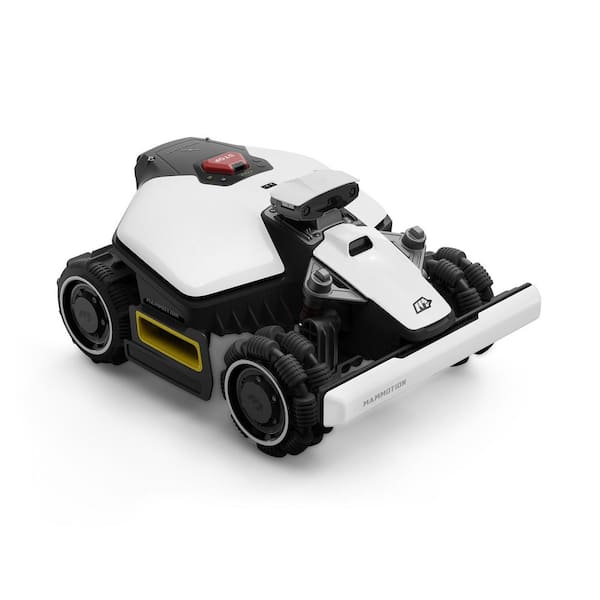
Robotic mowers are small, battery-powered machines that mow on a schedule and return to a base to charge. They work inside a set boundary, either a wire around the lawn or a virtual map. Manual mowers include push reel, battery push, and gas-powered walk-behind models that you guide by hand.
The core trade-off in Robotic vs manual lawn mower is time versus control. Robots give consistent, low-effort grooming. Manual mowers give you hands-on precision and lower upfront cost. Your lawn size, slope, and budget will tilt the choice.

Key differences in Robotic vs manual lawn mower
- Effort: Robots handle routine mowing for you. Manuals need your time and energy every cut.
- Cut style: Robots nibble often for a golf-green look. Manuals cut less often but can scalp if grass is tall.
- Terrain handling: Many robots handle moderate slopes and complex shapes. Manuals rely on your strength and wheel traction.
- Flexibility: Manuals handle wet patches, leaves, and tall weeds better. Robots prefer dry grass and steady growth.
- Cost pattern: Robots cost more upfront, less per cut later. Manuals cost less upfront, more in fuel, time, and maintenance.

Cost of ownership and ROI in Robotic vs manual lawn mower
A typical robotic lawn mower ranges from about $600 to $3,500, plus optional installation for boundary wire or setup. Electricity use is low and adds only a few dollars per month in most homes. Blade replacements are cheap and needed every few months.
Manual options vary. A push reel can cost $70 to $200 with almost no running cost. Battery and gas walk-behind mowers range from $250 to $900. Expect seasonal costs for blades, batteries, fuel, and tune-ups. Many owners spend $100 to $200 per season for maintenance and fuel on gas models.
If you mow weekly for eight months a year, the time saved by a robot adds up fast. In Robotic vs manual lawn mower math, a busy homeowner often breaks even on a robot in two to four seasons, depending on yard size and local service rates.

Performance and lawn health in Robotic vs manual lawn mower
Robotic mowers cut lightly and often, which reduces stress on grass. Fine clippings fall into the canopy and feed the soil. Many owners see thicker turf and fewer weeds after one season of regular robotic mowing.
Manual mowers can deliver a sharper, single-pass finish, especially with fresh blades on a battery or gas unit. They also handle tall growth better after rain or vacations. The trade-off is that infrequent, heavy cuts can stress grass, leave clumps, and raise disease risk.
From my tests, a robot set to cut small amounts three to five days a week delivers the most even look. If you enjoy stripes and special patterns, a manual mower still wins for visual impact.

Setup, maintenance, and reliability in Robotic vs manual lawn mower
A robotic mower needs setup. Boundary wire or virtual mapping defines the lawn. You place the base in a flat, powered spot with good drainage. Modern units manage narrow passages and islands around trees with careful planning.
Maintenance is simple. Clean the deck, change blades, and update firmware in the app. Winter storage in a dry place helps batteries last. Manual mowers need blade sharpening, belt checks, air filters, spark plugs for gas, or battery care for electric models.
In my experience, the most common robot issues are boundary wire breaks from edging and clogged wheels after wet days. Manual mowers more often need sharpening and carburetor care on gas units.

Safety, noise, and environmental impact in Robotic vs manual lawn mower
Robotic mowers have small, recessed blades and lift sensors. They stop when tilted or lifted, which helps around kids and pets. Noise is low, often 45 to 60 dB, like a normal chat, so evening mowing is no issue.
Manual gas mowers are louder, often above 85 dB, and need hearing protection. Battery push mowers are quieter. In the Robotic vs manual lawn mower comparison, robots and battery push models cut emissions and neighborhood noise. Gas units still lead in raw power for rough patches.

Smart features, connectivity, and security in Robotic vs manual lawn mower
Many robots offer app control, schedules, no-go zones, rain delay, and multi-zone support. Higher-end models use GPS or RTK to map lawns without wires and improve accuracy. Theft protection with PIN, GPS tracking, and alarms is common.
Manual mowers are simple by design. Battery models may have eco modes or runtime tools, but there is no automation. Choose robots if you value hands-off control and data. Choose manual if you prefer pure simplicity.
Use cases: Which Robotic vs manual lawn mower fits your yard and lifestyle
- Small, simple lawns: A robot shines with low noise and easy upkeep. A push reel also works if you like the workout.
- Medium, complex lawns: Robots handle curves and trees well with good mapping. A self-propelled battery mower is a great manual choice.
- Large lawns: A premium robot or multiple robots can work. Many people still prefer a wide, self-propelled manual for speed.
- Slopes: Check robot slope rating. Some handle up to about 35 to 45 percent. Manual mowers depend on traction and your footing.
- Vacation homes: A robot keeps grass tidy when you are away. Manual mowing may lead to tall growth that needs multiple passes.

Real-life lessons from testing Robotic vs manual lawn mower
I learned to set robot cutting height a notch higher for the first two weeks. This avoids scalp marks while the robot maps the space. After roots deepen, I lower the deck for a cleaner look.
I avoid mowing robots during heavy rain. Wet clippings clog wheels and leave tracks. With manual mowers, sharp blades matter more than brand. A dull blade tears grass and makes brown tips.
Mistakes to avoid in Robotic vs manual lawn mower:
- Forgetting to protect boundary wire near edging paths.
- Setting cut height too low in summer heat.
- Skipping blade changes for months at a time.
- Ignoring slopes and narrow passages when picking a model.
Troubleshooting common issues in Robotic vs manual lawn mower
- Robot misses a patch: Check boundary wire continuity and guide wire angles. Tighten corners and widen narrow passages where possible.
- Robot gets stuck: Raise cutting height, trim edges around beds, and level small holes. Clean wheels after wet days.
- Poor cut quality with manual: Sharpen blades, slow your pace, and mow in dry conditions. Raise height one notch in hot weather.
- Battery runtime dips: For robots and battery manuals, clean contacts and store batteries cool and dry. Replace after three to five years as needed.
Frequently Asked Questions of Robotic vs manual lawn mower
Is a robotic mower safe for kids and pets?
Yes. Most have lift and tilt sensors, recessed blades, and obstacle detection. Supervise pets at first and set no-go zones around play areas.
Can a robot handle leaves and sticks?
Light leaves and small sticks are fine. Heavy leaf fall should be cleared first to prevent clogging and dull blades.
How often should a robot mow?
Most lawns do best with three to five short sessions per week. Frequent light cuts keep turf thick and reduce weeds.
Do I need a boundary wire?
Many models still use a boundary wire. Newer GPS and RTK units can create virtual boundaries if you have open sky and good signal.
How long do mower batteries last?
Robot and battery push mower packs often last three to five years. Life depends on storage, charge cycles, and temperature.
Will a manual mower give better stripes?
Usually yes. A heavier manual with a roller can lay clean stripes that many robots cannot match today.
What if my lawn has steep slopes?
Check the listed slope rating. Some robots handle about 35 to 45 percent, but very steep banks may need manual trimming.
Conclusion
Robotic vs manual lawn mower comes down to your time, yard, and taste. Robots win for low effort, steady turf health, and quiet operation. Manual mowers win for upfront cost, hard patches, and showpiece stripes.
If you value your weekends, try a robot with the right slope rating and mapping. If you enjoy the ritual, a sharp manual mower will reward your effort. Ready to choose? Explore models that match your lawn size and slope, compare costs, and share your questions or experiences in the comments.