

Choose a riding mower for big yards and slopes; pick a push mower for small, flat lawns.
If you are stuck on riding mower vs push mower which to buy, you are not alone. I have helped many homeowners pick the right mower, and the best choice always fits the yard, the budget, and your body. In this complete guide, I break down riding mower vs push mower which to buy with clear numbers, real tests, and lessons from years of mowing, maintaining, and fixing both.
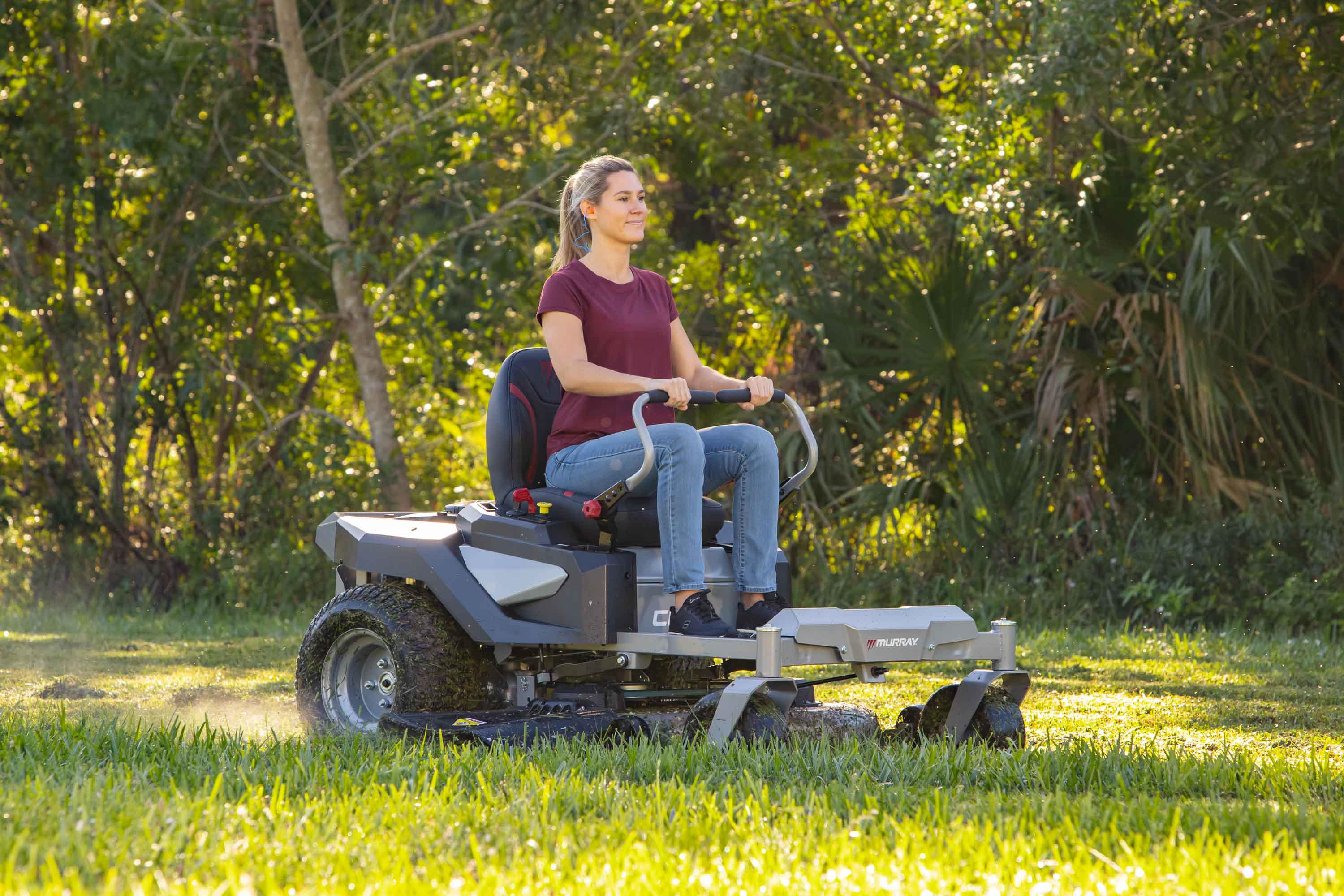
The quick way to decide: a simple checklist
Use this fast filter before you shop.
- Yard size under 1/4 acre: push mower wins.
- Yard size 1/2 acre or more: riding mower wins.
- Many trees, tight gates, narrow paths: push mower is easier.
- Slopes over 10 degrees: push mower is safer; riding needs care.
- Back pain, limited time, or heat concerns: riding mower saves effort.
- Budget under $500: push mower is the value pick.
- Want to mow in 30 minutes or less: riding mower with 42–54 inch deck.
This checklist sets a baseline for riding mower vs push mower which to buy. It is simple, fast, and works for most homes.

Yard size and mowing time
Deck width and speed set the pace.
- 21 inch push mower at a walking pace: about 0.25–0.5 acre per hour.
- 42 inch riding mower at 3–4 mph: about 1.5–2 acres per hour.
- 54 inch zero turn at 5–7 mph: up to 3–4 acres per hour.
If your lawn is under 1/4 acre, a push mower keeps costs low and storage easy. Over 1/2 acre, a riding mower turns a long chore into a quick task. These numbers help answer riding mower vs push mower which to buy with real time saved.
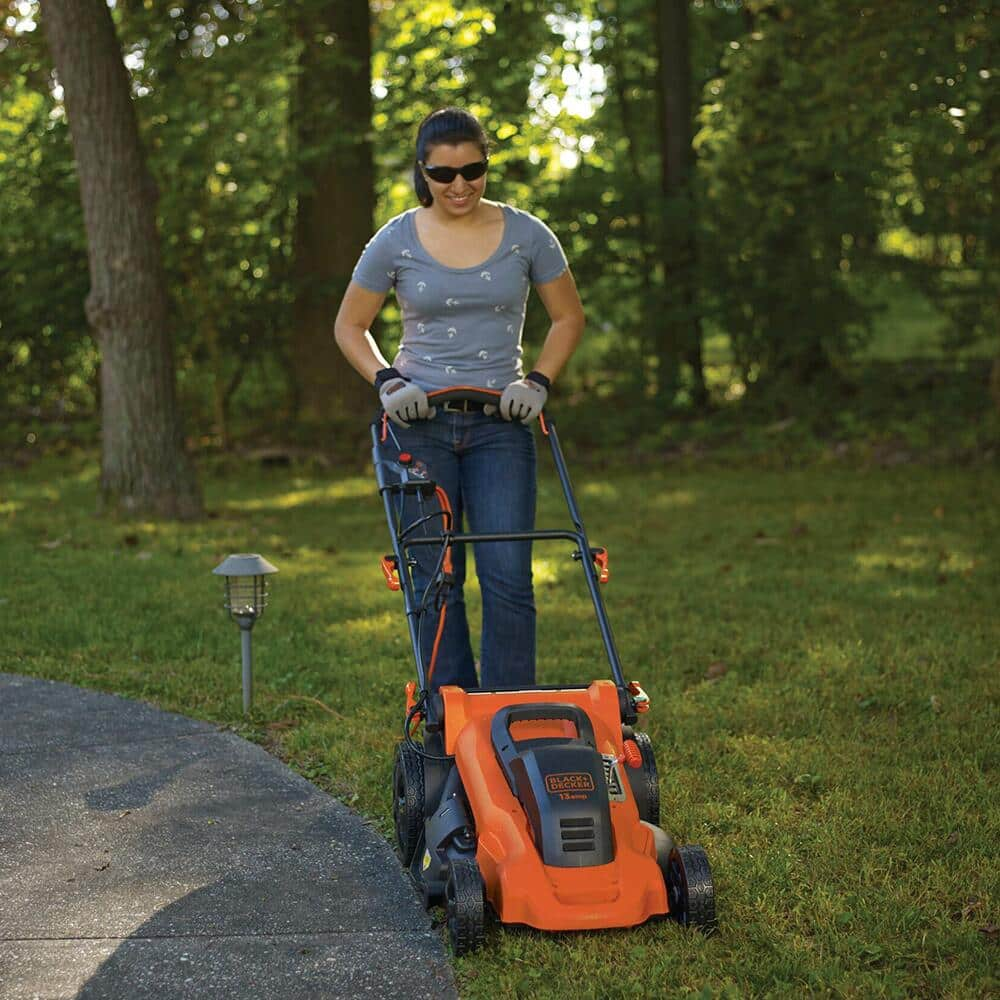
Terrain, obstacles, and lawn layout
Your lawn’s shape matters more than you think.
- Many trees, beds, and play sets: push mowers snake through with ease.
- Tight gates under 36 inches: many riding mowers will not fit.
- Bumpy ground: riding mowers can scalp; push mowers follow contours.
- Slopes: push mowers are safer above 10–15 degrees; riding mowers risk tip-over.
I once tested a lawn tractor on a wavy, 1/3 acre yard with many curves. The tractor was fast on the open stretch, but I lost time backing up and turning. A self-propelled push mower beat it by 10 minutes. This is the kind of nuance that settles riding mower vs push mower which to buy.

Cost, maintenance, and long‑term value
Look beyond the sticker price.
Purchase price ranges
- Push mower, gas: $250–$700
- Push mower, battery: $300–$900
- Riding lawn tractor, gas: $2,000–$4,500
- Zero turn, gas: $3,000–$7,000+
- Electric riding mower: $3,000–$5,500
Typical yearly upkeep
- Push mower: blade sharpening, air filter, spark plug, battery care if cordless. About $25–$80.
- Riding mower: blades, belts, oil, filters, battery, tires, and occasional deck work. About $120–$250.
Fuel and power
- Gas push: about 0.25–0.5 gallons per hour.
- Gas riding: about 0.75–1.5 gallons per hour.
- Battery mowers: cost per mow is low; plan for eventual battery replacement.
If you mow small spaces, a push mower wins on value. For large lots, a riding mower’s time savings justify the price. This cost view frames riding mower vs push mower which to buy with real dollars and cents.
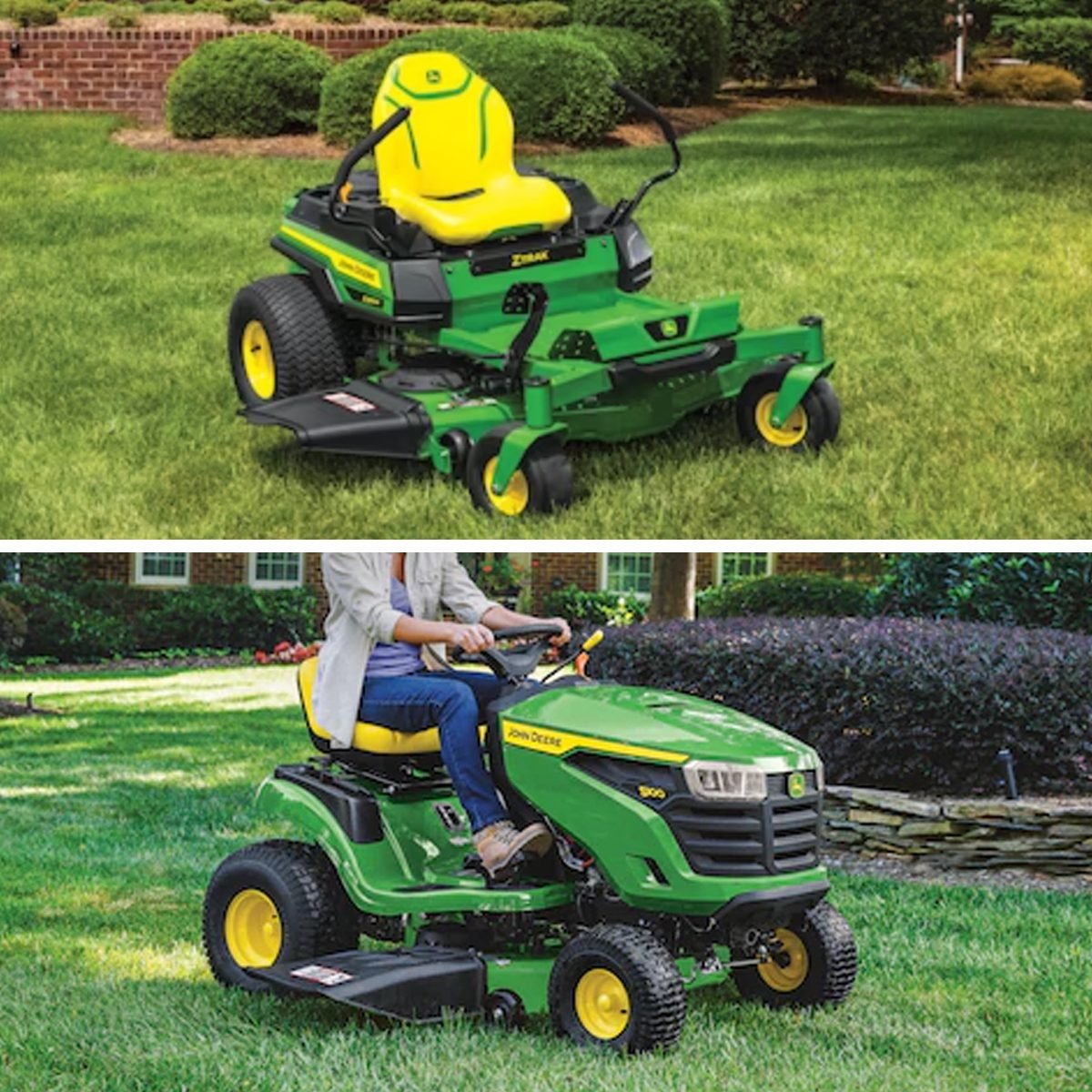
Comfort, health, and safety
Your body will thank you for the right choice.
Comfort
- Push mowers give you exercise but can stress knees, hips, and back.
- Riding mowers reduce strain and heat exposure, and you can sit upright with lumbar support.
Safety
- Push mowers are safer on steep slopes. You can step away fast.
- Riding mowers need extra caution on slopes and near drop-offs. Use ROPS and seat belts when available.
Noise and fatigue
- Gas push: 85–90 dB.
- Gas riding: 90–100 dB.
- Battery models are quieter across the board.
If heat or pain limits you, go riding. If you want a workout and full control on hills, go push. This human factor is central to riding mower vs push mower which to buy.

Power source choices: gas vs battery
Match power to yard demands.
Push mowers
- Gas: best for tall, wet grass and long sessions. Heavier upkeep.
- Battery: easy start, low noise, light upkeep. Great for 1/4–1/3 acre with extra batteries.
- Corded: budget choice for tiny yards with nearby outlets.
Riding mowers
- Gas lawn tractors and zero turns: great for big acres and thick turf.
- Electric riding mowers: quiet and lower upkeep. Best under 2 acres per charge.
If you want low noise and easy starts, battery shines. If you face thick, wet grass, gas still rules. This power choice shapes riding mower vs push mower which to buy for your yard.
Who should buy a riding mower
Choose riding if this sounds like you.
- You mow 1/2 acre or more.
- You want to finish in 30–45 minutes.
- You have mild to moderate slopes and long straight runs.
- You have storage space for a tractor or zero turn.
- You value comfort and reduced effort.
I once cut a 1 acre, hilly corner lot with a 21 inch push mower. It took two sweaty hours. A 46 inch lawn tractor cut that to 40 minutes with a better finish. That result ended my own riding mower vs push mower which to buy debate.
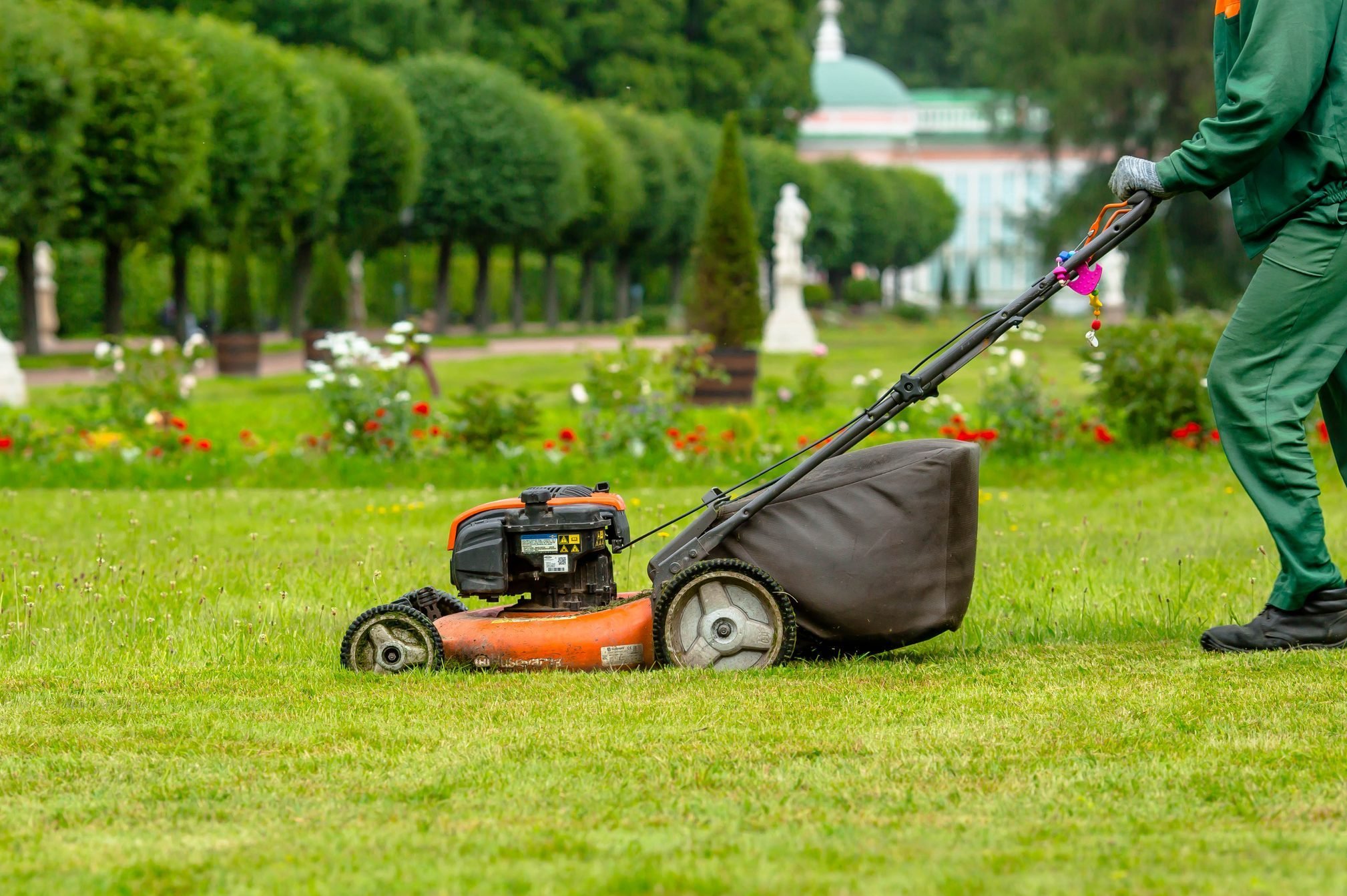
Who should buy a push mower
Pick push if this fits your life.
- You mow under 1/3 acre with many obstacles.
- You want low costs and easy storage.
- You need safe control on slopes and near ponds.
- You value a clean trim along beds and fences.
One client had a twisting 0.2 acre lawn with six tight gates. A self-propelled, 21 inch mower beat any riding option. This case is common in riding mower vs push mower which to buy decisions.

Features that matter when you shop
Focus on parts that move the needle.
Deck width
- Push: 20–22 inches for tight yards; 25–30 inches for more speed if gates allow.
- Riding: 42–54 inches for most homes; 60 inches for wide open lots.
Drive and steering
- Push: self-propelled makes hills easy; rear-wheel drive grips better.
- Riding: hydrostatic drive is smooth; zero turns are fast around obstacles.
Cut quality
- Look for deck wheels, anti-scalp features, and easy height changes.
- Mulch kits improve clippings and lawn health.
Convenience
- Single-lever height adjustment, blade stop systems, wash ports, and bagging options save time.
Durability
- Steel decks are tough; alloy deals with rust better.
- Service access to belts, filters, and blades matters over years.
Use these to compare models and settle riding mower vs push mower which to buy with features, not hype.
Real-world case studies from the field
Case 1: Suburban half acre, light slope
A 42 inch lawn tractor cut weekly time from 75 to 35 minutes. Fuel use rose, but the owner stuck to a regular schedule and the lawn improved. This was the clear answer to riding mower vs push mower which to buy.
Case 2: Townhouse lawn, 0.12 acre with tight corners
A 40V battery push mower finished in 20 minutes with one 5Ah battery. Storage was a small shed. The quiet cut kept the peace with neighbors. That result also clarified riding mower vs push mower which to buy.
Environmental and noise impact
If you care about footprint and peace, note these points.
- Battery push mowers cut noise and local emissions and reduce upkeep.
- Electric riding mowers are quiet and clean at the point of use but need charging plans.
- Sharp blades, correct deck height, and dry grass reduce energy use on any mower.
Better habits beat brute force. This helps you match values to riding mower vs push mower which to buy.
Common mistakes to avoid
Skip these pitfalls when you buy.
- Ignoring gate width and storage space.
- Underestimating slopes and safety limits.
- Buying too wide a deck for a bumpy lawn.
- Skipping blade sharpening and deck cleaning.
- Forgetting the value of dealer support and parts access.
Avoiding these errors will make riding mower vs push mower which to buy a smart, stress free choice.
Frequently Asked Questions of riding mower vs push mower which to buy
Is a riding mower worth it for 1/2 acre?
Yes, if you value time and comfort. A 42 inch deck can cut 1/2 acre in about 30–40 minutes.
Can a push mower handle hills better?
Often yes. You can control speed and angle, and you are not at risk of rollovers on steep slopes.
How long do batteries last on cordless mowers?
Most push mower batteries last 30–60 minutes per charge. Electric riding mowers often cover 1–2 acres per charge.
What deck size should I choose?
Match deck size to yard width and obstacles. Larger decks are faster, but small decks fit gates and reduce scalping.
Gas or battery: which cuts thick grass better?
Gas still has the edge in tall, wet, or fast growing grass. Battery models work well with sharp blades and weekly cuts.
Conclusion
Pick the tool that fits your lawn, your time, and your body. For small, tight spaces, a self-propelled push mower is a budget, storage, and safety win. For bigger yards or busy weeks, a riding mower saves time and strain while giving a clean, even cut.
Use the checklists above, measure your gates and slopes, and price long term upkeep. Then make your call on riding mower vs push mower which to buy with confidence. Ready to go deeper? Subscribe for more yard care guides, or drop your questions below so I can help you choose the right mower.