
Pick by yard size, power, runtime, deck width, features, and budget.
If you want clear steps on how to choose an electric lawn mower, you are in the right place. I test mowers for a living and help homeowners dial in the right fit. Below, I break down what matters, what does not, and how to compare models fast. You will leave with a plan and a short list to buy with confidence.
Understand your yard and your needs
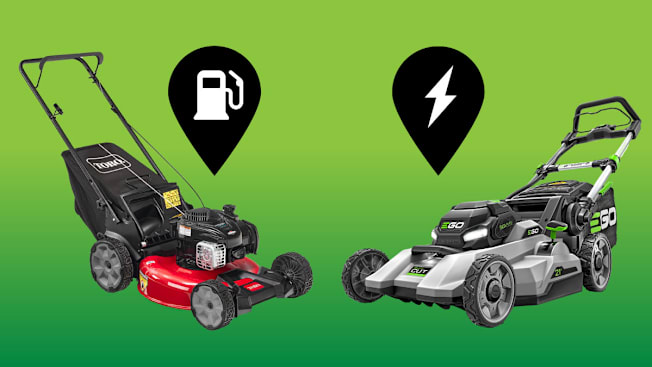
Start with your lawn. The mower must match the job. This is the core of how to choose an electric lawn mower.
Measure your mowable area. Use a map app, or pace it. Small yards are under 5,000 square feet. Medium is 5,000 to 10,000. Large is above 10,000. Slopes and thick grass need more torque.
Think about your weekly routine. Do you mow often or skip weeks? Wet, tall, or dense grass needs more power. A narrow gate or tight beds need a compact deck. This is key when you ask how to choose an electric lawn mower that fits your space.
Corded, cordless, or reel? And do you need self‑propel
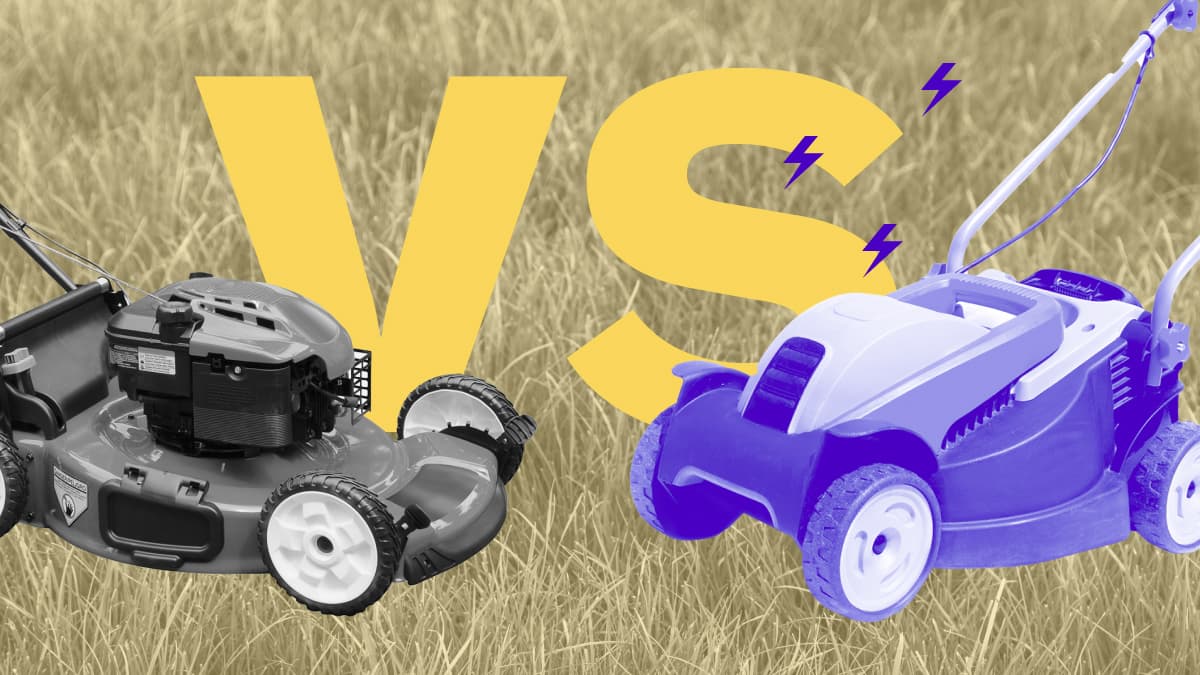
Here is the simple split that guides how to choose an electric lawn mower.
Corded mowers work well for small, flat yards near outlets. They are light, cheap, and run forever. The cord is the limit. Plan your route and use a bright cord.
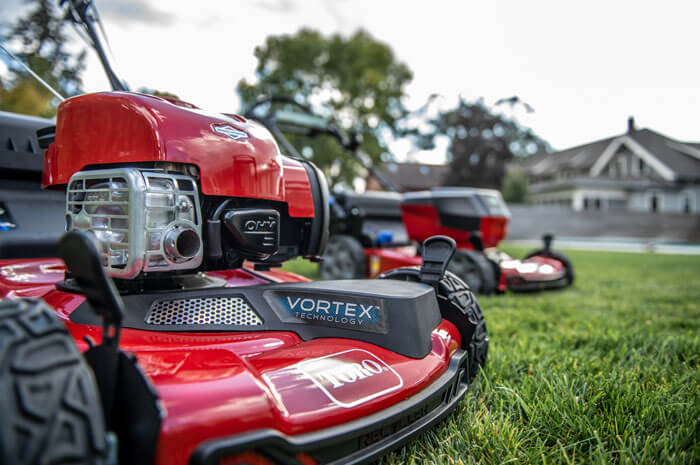
Cordless mowers run on batteries. They fit most homes today. No cord. Low noise. Easy start. Check battery size and runtime. I reach for cordless in most cases.
Reel mowers are human powered. They cut clean and are quiet. They suit small, flat, well kept lawns. They take more effort in tall grass. They are a niche pick.
Self‑propel is great on slopes and medium to large lawns. It saves your back. Push models are fine for small, flat yards. If you want to know how to choose an electric lawn mower for hills, self‑propel is worth it.

Battery specs that matter
This is where many buyers get stuck when learning how to choose an electric lawn mower. Keep it simple.
Look at watt‑hours, not just volts. Watt‑hours tell you energy. Multiply volts by amp‑hours. For example, a 56V 5Ah pack is 280Wh. More Wh equals more runtime.
Brushless motors waste less energy. They run cooler and last longer. I have seen brushless mowers keep speed in thick grass better than brushed ones.
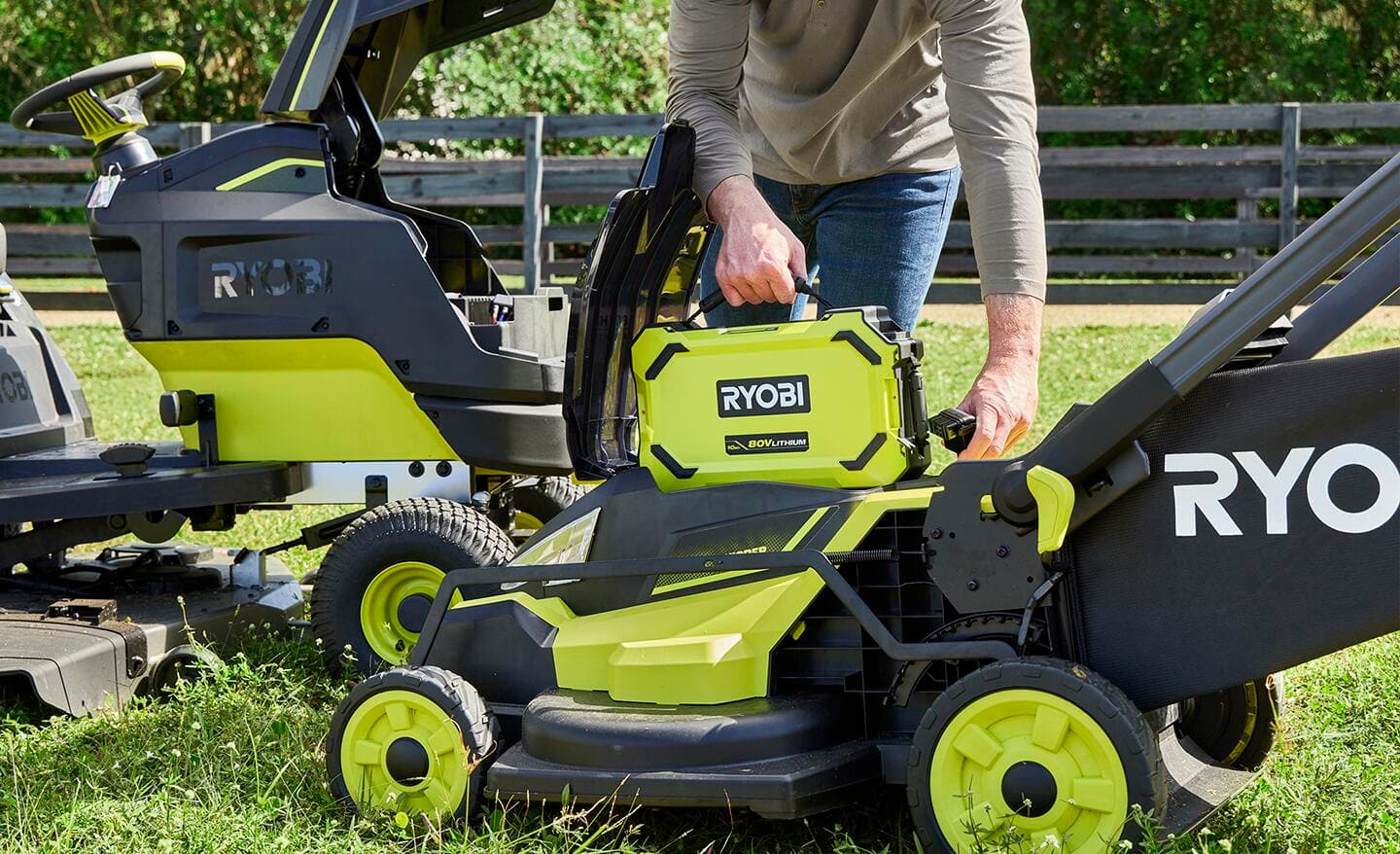
Check charge time. A fast charger can turn one pack into two. Two batteries let you mow without stops. It is a smart add if your lawn is over 7,500 square feet.
Cutting performance and deck design
Cut quality is the heart of how to choose an electric lawn mower that you will love.
Deck width sets how many passes you make. Small yards do fine with 14 to 18 inches. Medium lawns like 19 to 21 inches. Big lawns need 21 to 22 inches to save time.
Height range should cover 1 to 4 inches at least. Warm season grass like St. Augustine likes higher cuts. Cool season grass like fescue needs steady, even cuts. Single‑lever height adjust is faster.
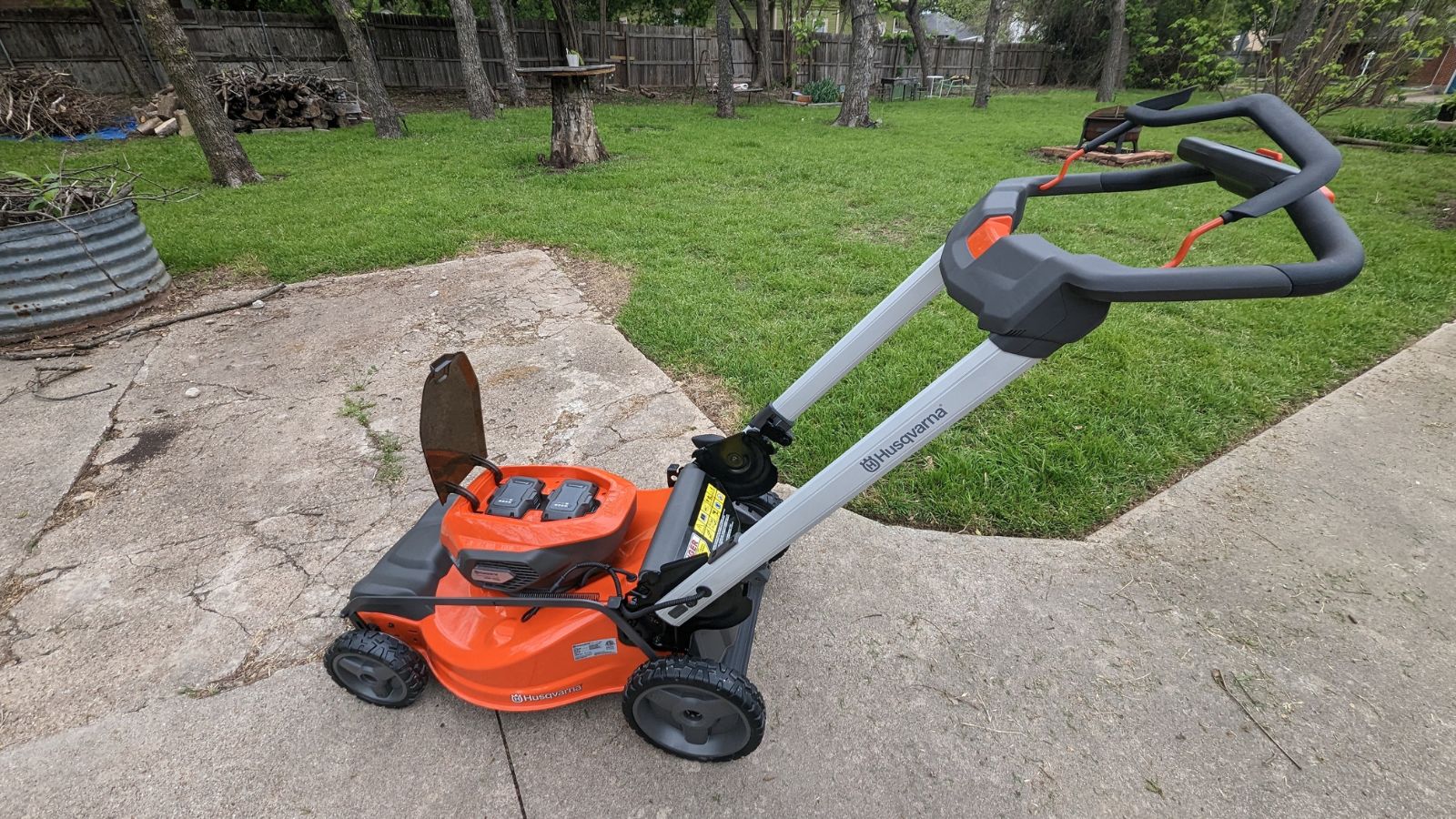
Look for strong airflow and a sharp, rigid blade. Good mulching saves bag trips. Side discharge helps in tall or wet growth. A steel deck is tough. A poly deck resists rust and is light.

Comfort, safety, and usability
Ease of use is a huge part of how to choose an electric lawn mower you will use often.
Pick a handle that adjusts to your height. Your wrists should stay straight. Vibration should be low. Soft grips help on long days.
Check the start system. Push‑button start is standard now. A simple safety key is nice if kids are around. Headlights help if you mow near dusk.
Storage matters. A foldable, vertical‑storage design saves space in a garage. I store two cordless mowers upright with no leaks. That is a nice perk of electric.
Durability, maintenance, and storage
You want a mower that lasts. This is central to how to choose an electric lawn mower that pays off.
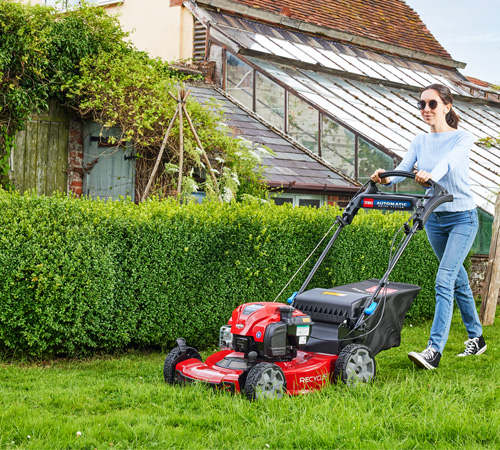
Look for IP ratings or sealed motors. That helps with dust and damp grass. Steel decks dent but are strong. Poly decks resist rust and chips.
Maintenance is simple. Sharpen blades each season. Keep the deck clean for airflow. Store batteries in a cool, dry place. Do not leave packs in a hot shed.
Check the warranty. Two to five years on the mower is common. Two to three years on batteries is normal. A wide dealer network makes service easier.
Price, rebates, and total cost
Price is not the only factor in how to choose an electric lawn mower. Think total value.
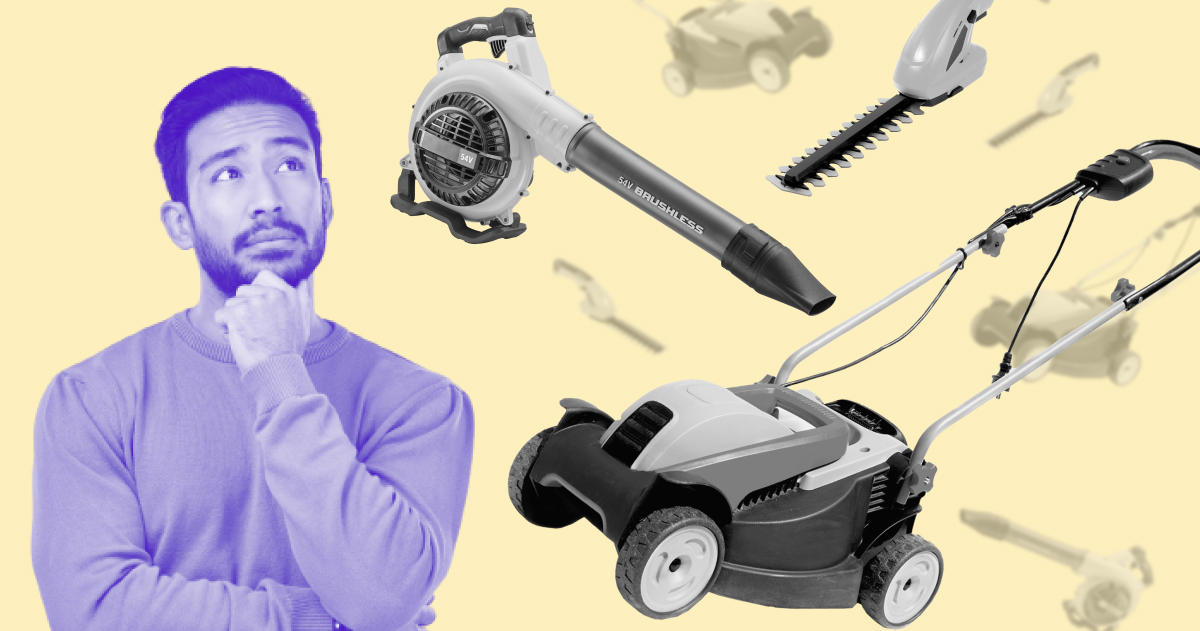
Entry cordless mowers start low, but often have small packs. Pro models cost more, yet include big batteries and fast chargers. That can cut long‑term cost.
Batteries are the main long‑term spend. It helps to stick to a brand system you can use for other tools. One platform can power your trimmer, blower, and saw.
Check for local rebates on electric tools. Many areas offer money back. Free disposal of old gas gear may be a bonus. That adds real value.
Real‑world picks by lawn type and scenario
Use this map when you face how to choose an electric lawn mower in the real world.
Small, flat yard under 3,000 square feet
- Corded 15 to 17 inch deck or compact 18V to 40V cordless with 4Ah pack.
- Push model. Mulch first. Bag for leaf cleanups.
Medium yard 3,000 to 8,000 square feet
- Cordless 19 to 21 inch deck with 36V to 56V system and 5Ah to 6Ah pack.
- Self‑propel if any slope. Two batteries or a fast charger is ideal.
Large yard 8,000 to 15,000 square feet
- High‑capacity 56V to 80V mower, 21 to 22 inch deck, 8Ah+ total energy.
- Dual battery slots or two packs. Strong mulching and side discharge.
Thick or wet grass
- Brushless motor with load‑sensing. Sharpen blade. Raise the height one step.
- Mow more often or do two passes.
Narrow gates and tight beds
- Choose a 18 to 20 inch deck. Check the full width, not just blade size.
- Good rear wheel control helps with turns.
Step‑by‑step checklist: how to choose an electric lawn mower
Use this quick path when you want a clear answer on how to choose an electric lawn mower.
- Measure your lawn. Note slopes, gates, and storage space.
- Pick power type. Corded for small, close yards. Cordless for most homes.
- Choose deck width. 14 to 18 inches for small, 19 to 22 inches for medium to large.
- Match battery to area. Target at least 200 to 300Wh for 5,000 to 8,000 square feet.
- Decide on drive. Self‑propel for slopes or larger lawns. Push for small, flat spaces.
- Check features. Single‑lever height, easy fold, mulch, bag, and discharge.
- Compare warranties and dealer support. Read runtime tests, not just claims.
- Set your budget. Include a spare battery or fast charger if needed.
- Shortlist three models. Watch real cuts on video or demo at a store.
- Buy with confidence. This is how to choose an electric lawn mower the smart way.
Setup and care tips for longer life
A few habits make your mower feel new for years. I learned these the hard way.
Charge batteries after each mow. Store between 40% and 80% if you pause for weeks. Keep them cool. Heat is the main battery killer.
Clean the deck after each use. A plastic scraper works well. Dry the mower before storage. Check blade sharpness every 10 hours of mowing.
Do not push through sticks or rocks. Raise the height on first spring cuts. Lower it as growth evens out. Small steps protect the motor and keep the cut clean.
Frequently Asked Questions of how to choose an electric lawn mower
How long should a battery mower run on one charge?
Most good models run 30 to 60 minutes. Runtime depends on grass height, thickness, and deck width.
Is higher voltage always better?
Not by itself. Total watt‑hours and motor efficiency matter more for power and runtime.
Can an electric mower handle wet grass?
Yes, with care. Raise the height, slow your pace, and use side discharge if needed.
Do I need self‑propel?
You do if you have slopes or a medium to large yard. It saves energy and keeps your pace steady.
How often should I sharpen the blade?
Check each season or every 10 hours of mowing. Dull blades tear grass and hurt battery life.
What is the best deck size for small yards?
A 14 to 18 inch deck fits tight spaces and narrow gates. It also stores easier.
Will one battery be enough?
For small lawns, yes. For medium or large lawns, plan on two packs or a fast charger.
Conclusion
You now know how to size your mower, match battery energy to your yard, and pick features that matter. You also know which claims to ignore and which specs to trust. This is how to choose an electric lawn mower without stress.
Pick a mower that fits your lawn, your body, and your time. Start with the checklist, shortlist three solid options, and take action this week. If this helped, share it with a neighbor, subscribe for more smart home guides, or drop your questions in the comments.