
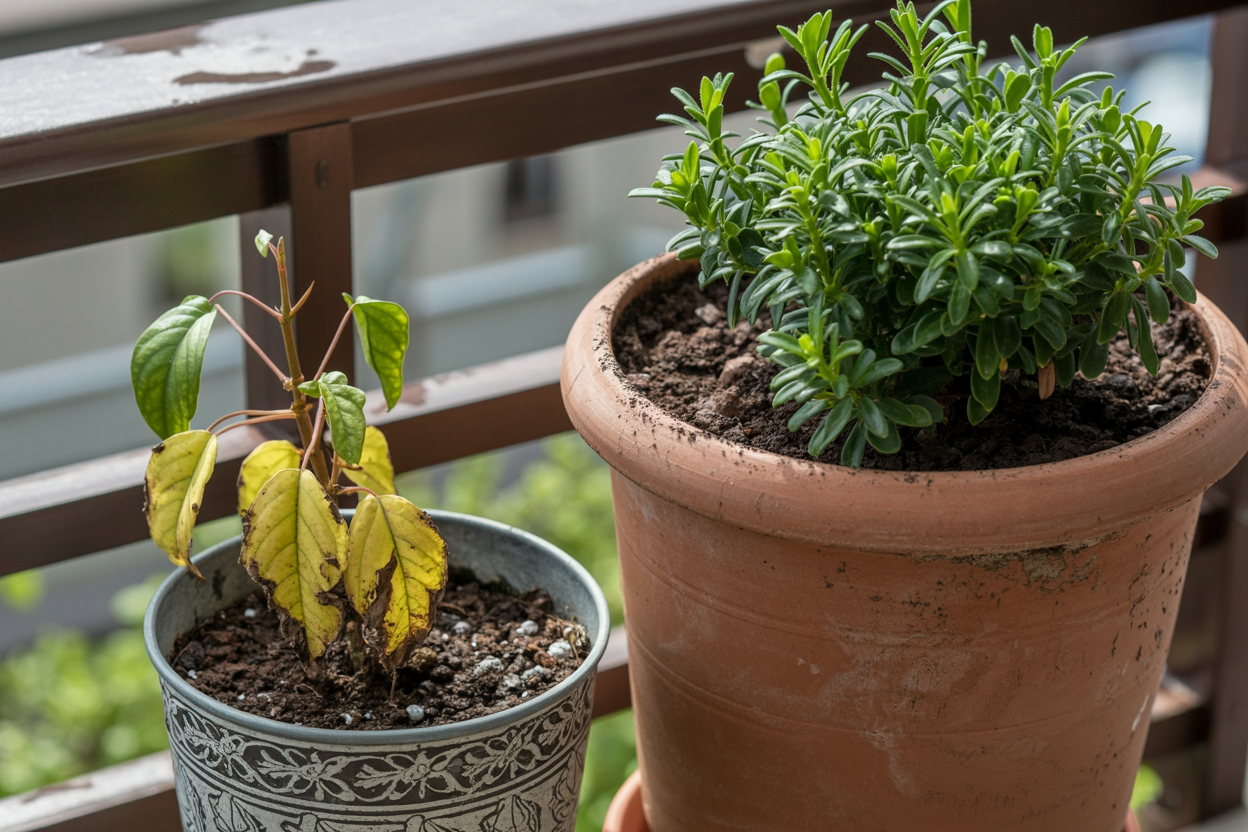
Most garden mistakes involve water, soil, sun, timing, spacing, pruning, and fertilizer.
I’ve coached new and seasoned growers for years, and I’ve made my share of mess-ups too. This guide to 10 Common Gardening Mistakes and How to Avoid Them shows you what actually goes wrong and how to fix it fast. You will learn simple steps, backed by field-tested advice and clear science, so your plants thrive with less guesswork and stress. Stick with me, and you’ll turn common errors into easy wins.
Mistake 1: Overwatering or Underwatering
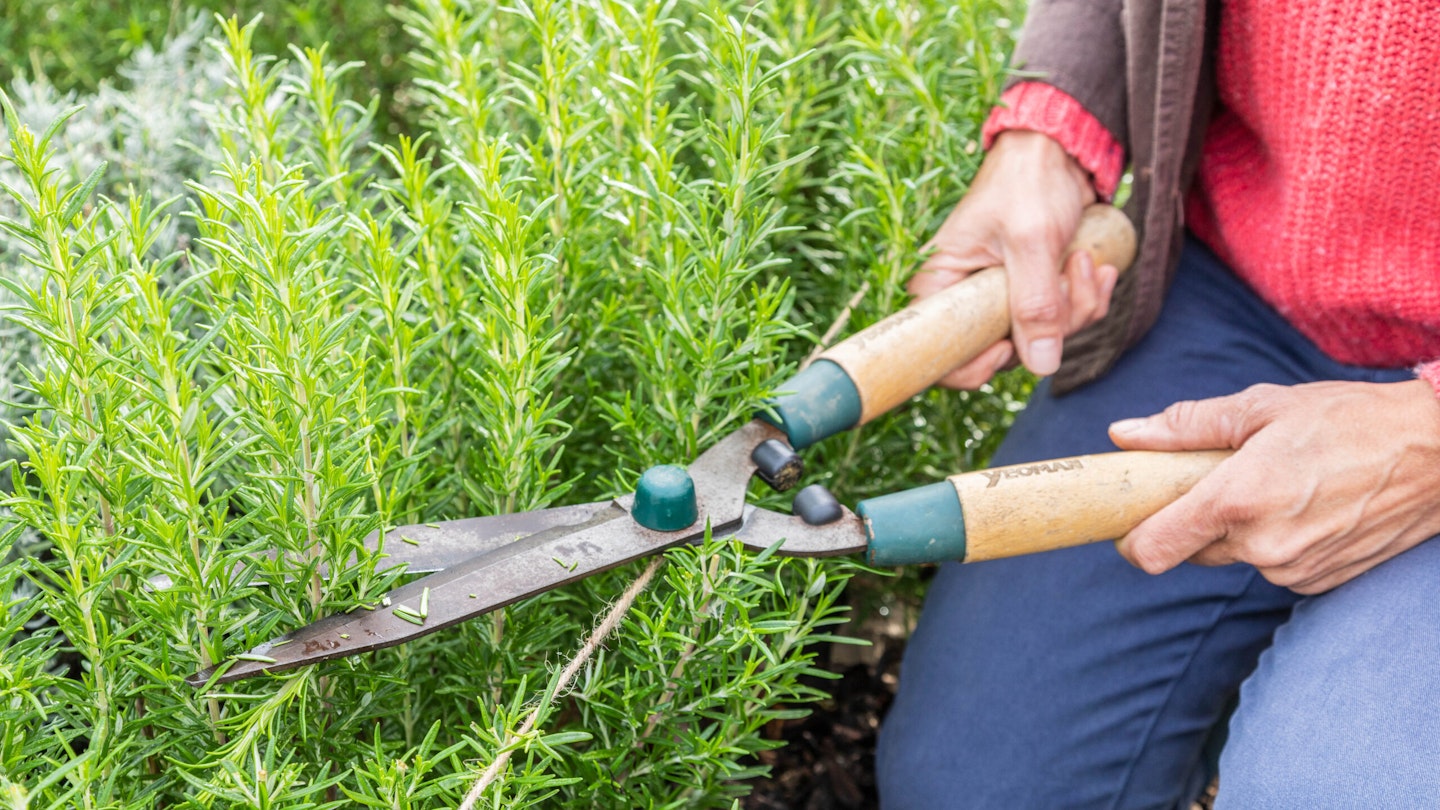
Among the 10 Common Gardening Mistakes and How to Avoid Them, water control is the top issue. Too much water drowns roots and invites rot. Too little water stresses plants and slows growth.
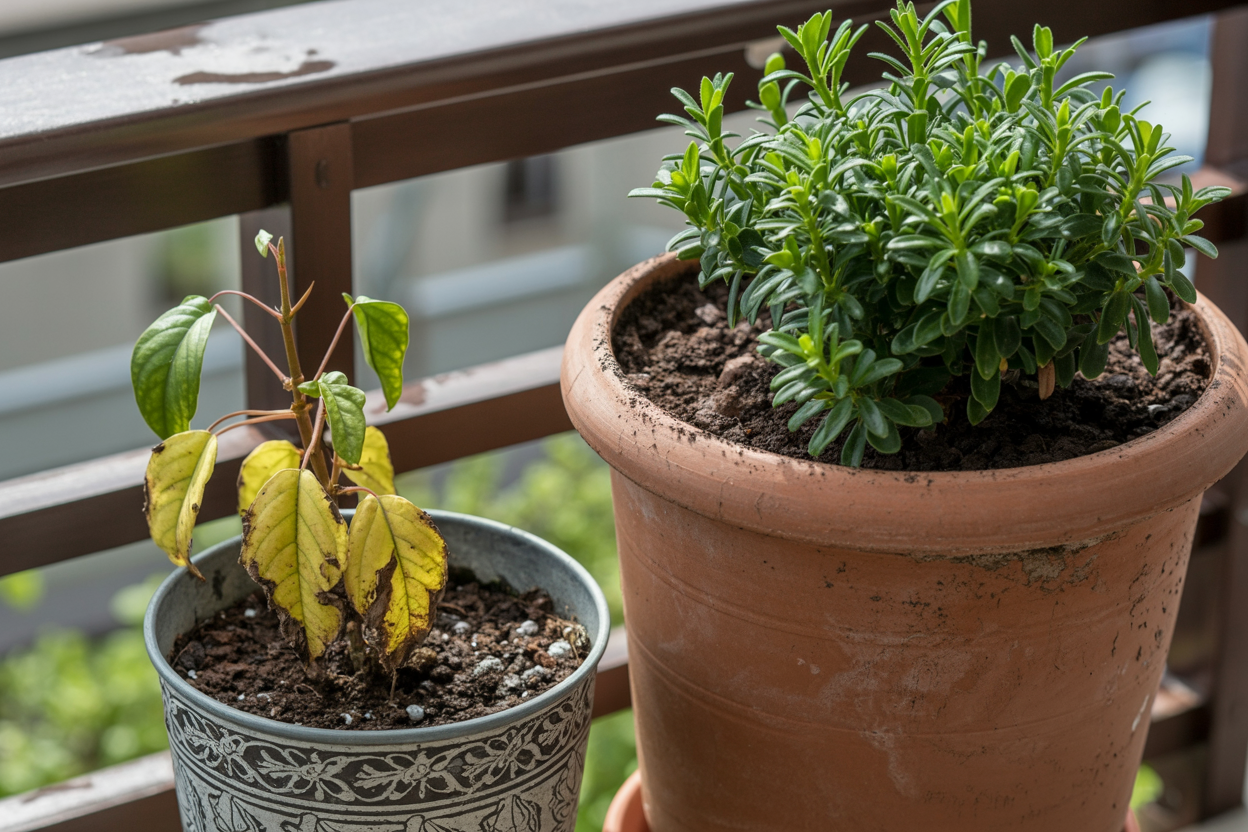
Signs help you act fast. Droopy leaves with wet soil mean overwatering. Crisp leaves with dry soil mean underwatering. Use the finger test. Push a finger two inches into the soil. Water when it feels dry at that depth.
Tips to avoid this mistake:
- Aim for about one inch of water per week, including rain.
- Water deeply and less often to train deep roots.
- Use mulch to hold moisture.
- Make sure pots and beds drain well.
Personal note: I once lost a rosemary hedge by “loving” it too much with the hose. Switching to deep, rare watering saved the replacements.
Source: gardendesign.com
Mistake 2: Poor Soil Prep and Skipping pH Testing
Within the 10 Common Gardening Mistakes and How to Avoid Them, weak soil guarantees weak plants. Soil is the plant’s pantry. If it is empty or off-balance, growth stalls.
Test soil before planting. A basic test shows pH and nutrients. Most vegetables like pH 6.0 to 7.0. Blueberries want a lower pH. Roses like slightly acidic soil.
Fixes that work:
- Mix in two to three inches of finished compost on top, then gently blend.
- Add slow-release organic matter to feed microbes.
- Adjust pH with lime to raise or sulfur to lower, based on test results.
- Avoid fresh manure. It can burn roots and add weed seeds.
Experience check: A quick pH test saved my blueberry patch. A small sulfur tweak gave me the best harvest of my life.

Source: lostcoastplanttherapy.com
Mistake 3: Wrong Plant, Wrong Place
This is a classic in 10 Common Gardening Mistakes and How to Avoid Them. Each plant has needs for light, heat, and space. Put shade lovers in sun, and they scorch. Put sun lovers in shade, and they sulk.
Match the plant to your hardiness zone and microclimate. Track sun with a simple note: full sun is six or more hours. Part shade is three to six hours. Full shade is less than three hours.
Set yourself up to win:
- Grow tomatoes, peppers, and melons in full sun.
- Tuck lettuces, ferns, and hostas in part shade.
- Use windbreaks for tender plants.
- Try heat-tolerant or drought-tough varieties where summers bite.

Source: ecogardener.com
Mistake 4: Planting Too Deep or Too Shallow
In the list of 10 Common Gardening Mistakes and How to Avoid Them, depth mistakes are sneaky. Planting too deep can suffocate stems. Too shallow leaves roots exposed.
Follow simple rules:
- Seeds should be two to three times their width deep.
- Set transplants at the same level as in their pots.
- Keep the tree’s root flare at or slightly above soil grade.
- Tomatoes are the usual exception. You can bury stems to root along the buried part.
One spring, I planted a row of peppers too deep. They sat still for weeks. Lifting and replanting at pot depth woke them up.

Source: aol.com
Mistake 5: Crowding Plants and Blocking Airflow
This mistake sits near the center of 10 Common Gardening Mistakes and How to Avoid Them. Tight spacing breeds disease. Leaves stay wet. Fungi spread fast.
Honor the spacing on the seed packet or tag. Thin seedlings early. Use support for vines and tall plants to open the canopy.
Smart spacing moves:
- Give tomatoes 18 to 24 inches.
- Keep cucumbers on a trellis to boost air and space.
- Prune lower leaves to avoid soil splash on stems.
- Water at the base to keep leaves dry.
Powdery mildew once ruined my zucchini patch. The cure was simple space, more sun, and a trellis. Problem solved the next season.
Source: cultivatedelight.com
Mistake 6: Overfertilizing or Using the Wrong Feed
Of the 10 Common Gardening Mistakes and How to Avoid Them, this one can be costly. Too much nitrogen gives big leaves but no fruit. Excess salts burn roots.
Use a balanced plan:
- Test soil first so you know what to add.
- Feed seedlings with half-strength liquid fertilizer.
- For fruiting crops, ease up on nitrogen once buds form.
- Use slow-release or compost to avoid spikes.
Evidence from garden trials shows that timing beats dose. Small, steady feeding wins over heavy blasts.

Source: co.uk
Mistake 7: Skipping Mulch or Using It Wrong
A core point in 10 Common Gardening Mistakes and How to Avoid Them is mulch misuse. Mulch saves water, stops weeds, and cools soil. Used wrong, it rots stems and invites pests.
Right way to mulch:
- Spread two to three inches around plants.
- Keep mulch a few inches away from trunks and stems.
- Use clean straw, leaves, or compost for veggies.
- Use wood chips for trees and shrubs.
I once made a “mulch volcano” around a maple. It led to bark rot. Pulling mulch back to show the root flare fixed the stress.

Source: itsm.tools
Mistake 8: Pruning at the Wrong Time or With Dull Tools
Another big one in 10 Common Gardening Mistakes and How to Avoid Them is bad pruning. Wrong timing cuts off flower buds. Dull blades tear and invite disease.
Keep it simple:
- Prune spring bloomers right after they bloom.
- Prune summer and fall bloomers in late winter.
- Never remove more than a third at once.
- Sanitize blades between plants.
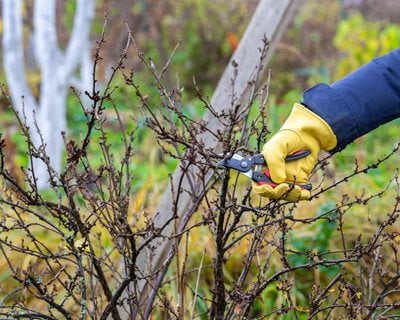
For tomatoes, remove a few suckers to open the plant. For roses, cut to an outward-facing bud. Clear, clean cuts heal faster.
Mistake 9: Ignoring Pests and Diseases Until It’s Too Late
In my work on 10 Common Gardening Mistakes and How to Avoid Them, late action is common. Small issues become big outbreaks. Weekly checks stop that.
Use integrated pest management:
- Scout leaves, stems, and soil once a week.
- Hand-pick pests early. Rinse aphids with water.
- Use row covers, traps, and barriers first.
- If you must spray, use targeted, low-tox products and follow labels.
A quick look under cucumber leaves once a week beat beetles on my plot. Catching eggs early saved the harvest.
Mistake 10: Skipping Crop Rotation and Succession Planting
The last of our 10 Common Gardening Mistakes and How to Avoid Them is about timing and planning. Same crops in the same spot year after year build up pests and disease. Long gaps between plantings waste space.
Easy planning habits:
- Rotate plant families each year for three to four years.
- After tomatoes, try beans or leafy greens, not potatoes or peppers.
- Stagger sowings of lettuce, radish, and beans every two to three weeks.
- Use cover crops in empty beds to feed the soil.
Once I started rotating, my blight issues dropped. Succession planting kept salads coming all summer.
Frequently Asked Questions of 10 Common Gardening Mistakes and How to Avoid Them
How much should I water my garden each week?
About one inch per week, including rain, is a good target. Water deeply and less often for stronger roots.
What is the best soil pH for vegetables?
Most vegetables grow best between 6.0 and 7.0. Test your soil and adjust with lime or sulfur if needed.
Can I plant tomatoes in the same spot every year?
It is better to rotate. Move tomatoes to a new bed and return after three to four years to cut disease risk.
When should I prune hydrangeas or roses?
Prune spring-blooming shrubs right after they flower. Prune summer bloomers and many roses in late winter or very early spring.
How thick should mulch be around plants?
Two to three inches is ideal. Keep it a few inches away from stems and trunks to prevent rot.
How do I know if I am overfertilizing?
Look for burned leaf tips and fast, weak growth with few flowers. Cut back and switch to slow-release or compost-based feeding.
Conclusion
Gardens fail for simple reasons: water, soil, light, timing, and care. You now know the 10 Common Gardening Mistakes and How to Avoid Them, plus the simple steps that fix each one. Start small, test and tweak, and keep notes so each season gets easier.
Pick one section today and apply it in your space. Check moisture with your finger. Spread fresh mulch. Or run a soil test. Share your progress, subscribe for more tips, and drop a comment with your biggest win or challenge.