
Electric leaf blowers fit most homes; gas models suit big, tough, nonstop jobs.
If you are choosing between an Electric VS Gas leaf blower, you want a clear, honest guide. I have used both for years on small yards and large lots. I have tested corded, cordless, and pro gas units through fall cleanups and spring debris. This article lays out how they compare in power, runtime, noise, costs, upkeep, and real use. You will leave knowing exactly which one works for your yard and your budget.

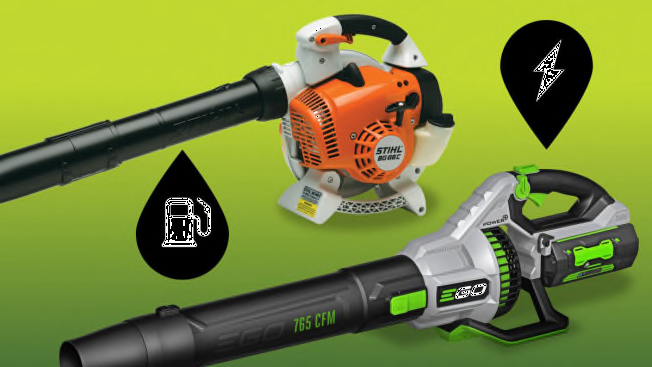
Electric VS Gas leaf blower: Key differences at a glance
Choosing an Electric VS Gas leaf blower is about matching tool to task. Both move leaves. How they do it and how it feels day to day can be very different.
- What electric does best: Easy starts. Low noise. Low upkeep. Clean use. Great for small and mid yards.
- What gas does best: High power on demand. Long sessions with no charging. Strong for wet leaves and big piles.
- What cordless means: No cord to fight. Runtime depends on battery size and mode.
- What corded means: Light and cheap. Unlimited runtime. Range limited by the extension cord.
- What gas means: Fuel mixing on two-stroke engines. Regular service. More noise and fumes.
If your yard is under a quarter acre with moderate trees, electric is often enough. If you clear long driveways, heavy oak piles, or work for hours, gas can still make sense. For most homeowners, the Electric VS Gas leaf blower choice leans electric today.

Power, performance, and yard size
Power is not just one number. Look at CFM and MPH.
- CFM moves volume. Higher CFM pushes more leaves at once.
- MPH gives speed. It helps lift wet or stuck debris.
Typical ranges I see in the field:
- Corded electric: About 300 to 600 CFM, often 90 to 150 MPH.
- Cordless electric: About 350 to 800+ CFM, often 100 to 190 MPH, depending on battery voltage.
- Gas handheld: About 400 to 700 CFM, 150 to 200 MPH.
- Gas backpack: About 600 to 1100+ CFM, 150 to 220 MPH.
Runtime and workflow:
- Cordless electric: 10 to 60 minutes per battery. Turbo drains fast. Two batteries solve most small yards.
- Corded electric: Unlimited runtime. Cord management is the trade-off.
- Gas: Refuel and go. Strong for long, heavy sessions.
My rule from many fall cleanups:
- Small yard or townhome: Cordless electric wins on convenience.
- Quarter to half acre with moderate trees: High-voltage cordless wins if you have two batteries.
- Big lots, wet leaves, pine straw, acorns, or weekly long sessions: Gas backpack still rules.
If you need a simple path, ask yourself: Do you need more than 45 minutes at full blast? If yes, the Electric VS Gas leaf blower decision tips toward gas or multiple batteries.
Noise, vibration, and comfort
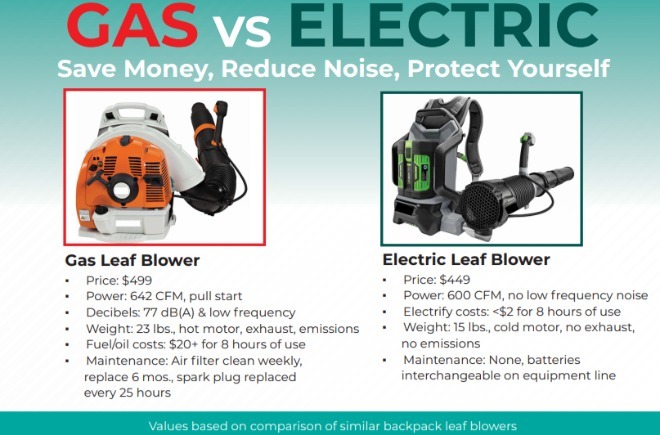
Noise is a real concern at home. Many cities limit blower noise during certain hours.
- Electric leaf blowers are quieter to the ear. They also sound less harsh.
- Gas blowers can be far louder, with a lower, droning tone that carries.
Vibration matters too:
- Electric has very low vibration. Your hands feel better after long use.
- Gas has engine vibration, which can tire hands and arms.
Comfort tips I use:
- Wear hearing protection for both. Your ears will thank you.
- Use a shoulder strap for handheld units to save your wrist.
- Take short breaks. Your back and grip will last longer.
If neighbors are close, an Electric VS Gas leaf blower often favors electric to keep peace and avoid fines.
Cost of ownership and maintenance
Upfront cost:
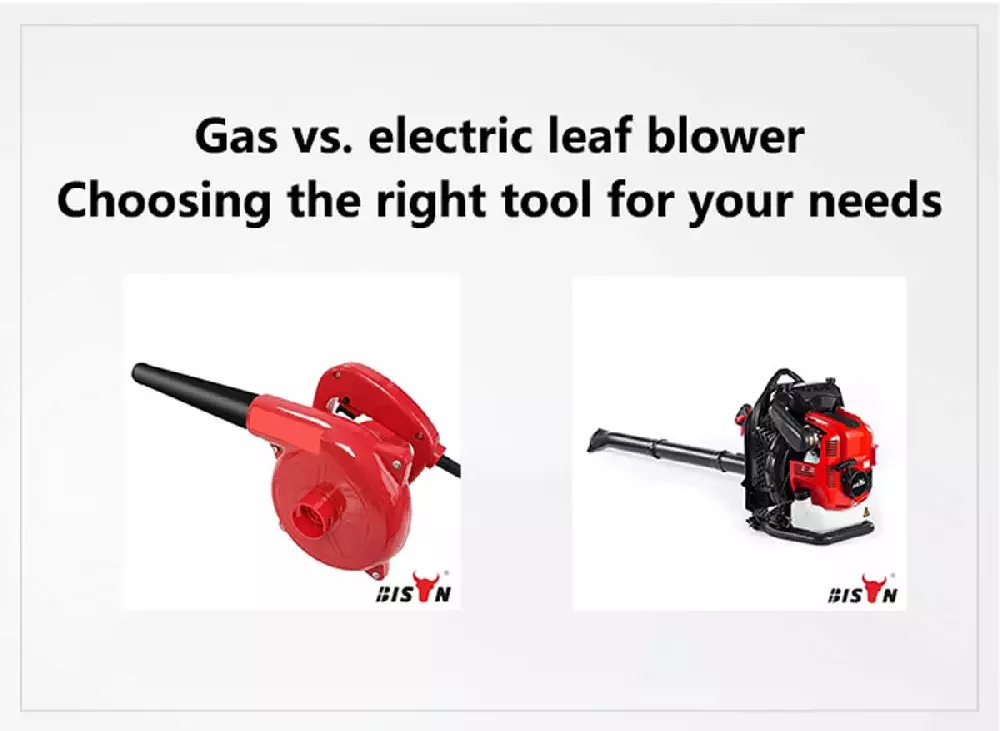
- Corded electric: Low cost. Great for small budgets.
- Cordless electric: Medium to high cost with batteries and a charger.
- Gas: Medium to high cost, especially for backpack models.
Ongoing costs:
- Electric: Almost no service. Battery replacement after a few years is the big cost.
- Gas: Fuel and oil mix. Spark plugs. Air filters. Carb cleaning if stored with old fuel.
Time costs:
- Electric: Grab and go. Minimal fuss. Quick start saves minutes each use.
- Gas: Warm-up, mixing, and service add up over a season.
When I track costs over three to five years, cordless electric often wins for homeowners. For crews or heavy use, gas costs more but pays off in nonstop runtime. The Electric VS Gas leaf blower math comes down to how often and how long you blow.

Environmental impact and regulations
Electric leaf blowers have no local exhaust. That is nicer for you and your street. They still draw power from the grid, but day-to-day, they smell clean and feel better to use.
Gas blowers, especially older two-stroke engines, emit more hydrocarbons and particulates. Many cities now limit or ban some gas blowers during certain months or in dense areas.
What this means for you:
- Check your city rules before you buy.
- If noise or emissions rules apply, electric is safer long term.
- If you need full pro power, look for compliant gas models or high-output cordless kits.
For many homes, the Electric VS Gas leaf blower choice leans electric due to changing rules and clean operation.

Use cases and buyer profiles
Match the blower to the work. Here is how I help clients decide.
-
Small patios and short driveways
- Cordless electric compact unit.
- One battery is enough.
-
Suburban yard with trees
- High-voltage cordless.
- Two batteries. Use turbo only when needed.
-
Wet leaves, pine straw, heavy acorns
- Cordless with high CFM or a gas backpack if piles are huge.
-
Large lots and long duty
- Gas backpack for raw, steady power.
- Or multiple high-capacity batteries and a fast charger.
-
HOA or city with strict noise rules
- Electric all the way.
When in doubt, borrow or rent. Use the Electric VS Gas leaf blower you think fits and see how it feels.
Features that matter regardless of type
These features make day-to-day work faster and easier.
- Cruise control lets you set a steady speed to save your trigger hand.
- Variable trigger helps you feather power for tight corners and flower beds.
- Concentrator nozzles lift wet leaves and gravel with focused air.
- Flat, wide nozzles are better for pushing big piles across lawn.
- Brushless motors on cordless models run cooler and last longer.
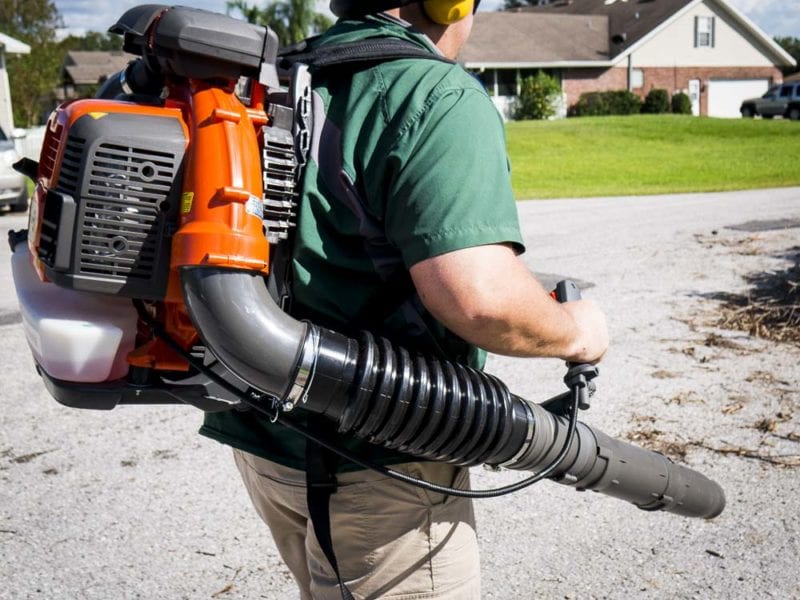
- A good harness on backpacks saves your back and shoulders.
The Electric VS Gas leaf blower you pick should fit your hand, your height, and your yard flow.
Hands-on testing insights and tips
Real use lessons I learned the hard way:
- Do a quick pre-walk. Move toys, hoses, and rocks. You will work faster with less frustration.
- Work downwind. Use fences and hedges as “walls” to corral leaves.
- Use lower speed near mulch to avoid blasting it everywhere.
- For cordless, keep batteries warm in winter. Cold packs lose punch fast.
- For gas, use fresh fuel and the right mix. Old fuel gums carbs.
Mistakes to avoid:
- Holding the nozzle too low. You will dig into grass and gravel.
- Running on turbo the whole time. Pace yourself to extend battery runtime.
- Ignoring ear and eye protection. Dust and noise creep up on you.
In real jobs, the Electric VS Gas leaf blower choice often shows in pace. Electric is smooth and stop-start friendly. Gas is relentless when the yard is a mess.
Safety and best practices
A few simple habits keep you safe and faster.
- Wear hearing protection, safety glasses, and a dust mask.
- Blow debris away from people, pets, and cars.
- Watch for loose stones. They turn into fast projectiles.
- Keep cords behind you with corded units.
- Store batteries at partial charge, not full, for long life.
- For gas, run the tank nearly dry before long storage.
A careful user gets more life from any tool. That includes your Electric VS Gas leaf blower, your batteries, and your shoulders.
Frequently Asked Questions of Electric VS Gas leaf blower
Which is better for a small yard?
Cordless electric is best for small yards. It is light, quiet, and easy to store.
Can an electric blower handle wet leaves?
Yes, many can. Choose a high CFM model and use a narrow nozzle to lift wet mats.
How long do blower batteries last?
Most last 3 to 5 years with care. Avoid heat, store at partial charge, and use a smart charger.
Are gas leaf blowers being banned?
Some cities limit them during certain hours or seasons. Check local rules before you buy.
Do I need a backpack blower?
Only for big, heavy jobs or long sessions. For most homes, a strong handheld cordless is enough.
What is more important, CFM or MPH?
Both matter. CFM moves piles, while MPH helps lift stuck debris and wet leaves.
How do I reduce noise at home?
Use lower speeds, work mid-day, and stand farther from windows. Electric models help most.
Conclusion
Pick the tool that fits your yard and your life. If you want simple starts, clean use, and low noise, go electric. If you tackle heavy, wet piles for long sessions, gas still delivers.
Make a short test plan this week. Time a cleanup with the tool you have or borrow one. Then choose the Electric VS Gas leaf blower that saves you the most time with the least fuss. Want more tips and tested picks? Subscribe and leave your questions in the comments.