

The top rated rear tine rototillers pair strong engines with durable tines.
You have hard, packed soil. You want neat rows, quick work, and a garden you can actually plant this weekend. That is where the top rated rear tine rototillers shine. They cut deep, stay stable, and save your back. I have used many tillers across seasons, soils, and garden sizes. The right machine turns a dreaded job into a Saturday win. Below, I break down real performance, easy handling, and smart add-ons that make a big difference. If you want results, start here.

NOVUS 18-Inch Dual Direction Rear…
POWERFULL: The 4-cycle 212cc gas engine powers through tough soil, making this rear tine tiller ideal for heavy-duty gardening. VERSATILITY: 16 durable steel tines, 18-inch tilling width, and 10-inch tilling…

Toro Dual Direction Rear Tine…
Powerful 127cc 4-Cycle Briggs and Stratton Engine Instant Reverse allows for easy maneuvering without having to shift Airless Wheels will never go flat Counter rotating tines bust through sod to…
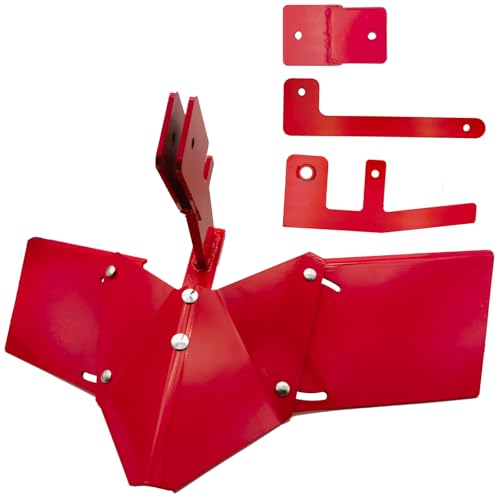
15683 Hiller-Furrower Kit for Rear…
【Suitability】15683 hiller-furrower kit Compatible with Earthquake rear tine tillers (Except model #37037 and #31285) as well as Husqvarna, Southland, Powermate, Troy-Bilt and Cub Cadet rear tine tillers. 【Purchasing instructions】15683 hiller-furrower…
NOVUS 18-In Dual-Direction Rear Tine Tiller

The NOVUS 18-inch rear tine tiller brings real muscle to the garden. A 212cc 4-cycle engine delivers steady power without fuss. Dual-direction tines switch from forward to counter-rotating, so you can break new ground or finish a fine seedbed. Full gear transmission adds durable bite when the soil gets stubborn.
I like the 18-inch width for mixed plots. It feels nimble yet covers ground fast. Airless tires are a smart win for rocky yards. No flats, less downtime, more work done. If you want a tough, simple, and reliable tool, this one checks the big boxes.
Pros:
- 212cc engine has strong torque for hard or virgin soil
- Dual-direction tines for breaking and finishing passes
- Full gear transmission adds durability and steady pull
- Airless tires avoid flats on rocky or thorny ground
- 18-inch path balances speed and control in small to large gardens
Cons:
- Heavier build can be tiring in tight spaces
- Pull-start only on most listings; no electric start noted
- Noise level is typical for gas tillers; use hearing protection
My Recommendation
The NOVUS stands out among the top rated rear tine rototillers because it blends power, width, and dual-rotation control. It is best for homeowners who want to open new ground or work thick clay without babying the machine. If you plant a medium or large garden and want one tool to do it all, this is a strong choice. The airless tires help in rough soil where flats stop cheaper models.
Choose it if you want a dependable, gear-driven machine that can handle the messy jobs and still give you a smooth finish. It offers great value for its class and is often available with fast shipping.
| Best for | Why |
|---|---|
| Breaking new ground | Counter-rotating tines and 212cc engine bite deep |
| Mixed soil with rocks | Airless tires avoid flats and downtime |
| Medium to large gardens | 18-inch width covers ground quickly with control |
Toro Dual-Direction Rear Tine Tiller 58603

The Toro 58603 pairs a 127cc Briggs & Stratton engine with smart controls. Dual-direction tines give you both soil-breaking and finishing options. Instant reverse is a standout feature for tight turns and quick repositioning. Airless tires and heavy-duty stamped steel tines add real-world durability.
I like how simple the shifting feels, which helps new users. The engine is smaller than some, but Briggs & Stratton is known for reliable starts and smooth running. This model fits small to mid-sized gardens very well. In softer loam, it flies. In clay, slow passes win the day.
Pros:
- Instant reverse saves time and reduces fatigue
- Dual-direction tines work for both breaking and finishing
- Briggs & Stratton engine offers reliable starts
- Airless tires prevent flats and keep you moving
- Simple shifting makes control easy for beginners
Cons:
- 127cc engine is modest for very tough, rocky clay
- May require multiple passes in heavy soil
- No electric start listed in most specs
My Recommendation
Among the top rated rear tine rototillers, the Toro 58603 is the easy handler. It is best for small to medium plots and users who want simple controls and low stress. Instant reverse is a big help when you turn at row ends. If you value clean control over sheer brute force, this one shines.
It gives very good value for routine garden prep, annual tilling, and reworking paths and beds. If you rotate crops or make many short passes, the controls make the day smoother.
| Best for | Why |
|---|---|
| Small to mid-size gardens | Simple shifting and instant reverse boost control |
| Annual bed prep | Dual-direction tines create a fine finish |
| Users new to tillers | Easy handling and reliable B&S engine starts |
15683 Hiller-Furrower Kit for Rear Tine Tillers

This 15683 Hiller-Furrower kit helps you shape rows fast. It is compatible with Earthquake rear tine rototillers and offers three connection methods. The adjustable wings let you set the width and height of your hills. If you grow potatoes, onions, or corn, this tool saves hours.
It installs with simple hand tools. Dial in wing angles to match seed spacing and soil moisture. It also makes clean furrows for drip tape or irrigation lines. The red finish looks sharp and protects from rust when cleaned after use.
Pros:
- Adjustable wings tailor hill size and furrow width
- Three connection options improve compatibility
- Great for potatoes, corn, and ridge beds
- Speeds up row making vs. using a hoe
- Solid build for repeated passes during the season
Cons:
- Designed for Earthquake rear tine models; check fit before buying
- Setup takes a few test passes to fine-tune angles
- Needs the power of a rear tine tiller to pull well in heavy soil
My Recommendation
If you own an Earthquake unit, this kit is a smart add-on. It turns top rated rear tine rototillers into fast row builders. It is best for gardeners who plant in rows and need uniform hills or trenches. I like it for seed potatoes and for laying drip tape straight.
The value is high if you work more than a few raised rows each spring. It pays for itself in saved time and cleaner beds.
| Best for | Why |
|---|---|
| Row crops | Adjustable wings shape even hills and furrows |
| Earthquake tiller owners | Designed to fit with flexible connections |
| Drip irrigation setup | Clean furrows make fast, straight tape runs |
Pulsar 20-In Rear Tine Tiller

The Pulsar rear tine tiller brings a wide, 20-inch path with variable speed. The rotating handle is a clever touch. You can walk beside the machine and avoid compacting fresh soil. It is gasoline powered and sized for serious garden work.
I find the wider path useful for annual tilling and bed reshaping. Variable speed helps you ease into heavy patches. Slow down, let the tines chew, and keep the line straight. The rotating handle also makes side passes along fencing much easier.
Pros:
- 20-inch width covers large plots faster
- Variable speed helps match soil conditions
- Rotating handle reduces footprints on fresh soil
- Good for annual tilling and bed reshaping
- Side-walking control is easier near fences and borders
Cons:
- Brand support may vary by region
- Wider width can be tight in narrow beds
- Weight may challenge first-time users
My Recommendation
The Pulsar earns a spot among the top rated rear tine rototillers for fast coverage and smart ergonomics. Pick it if you want to move fast across big plots and still work close to edges. The rotating handle feels great when you need to stay off the fresh tilth. Variable speed lets you adapt to damp or packed soil without stalling.
It offers strong value for large gardens and homestead plots. If you till once or twice a year and want clean, straight passes, this model fits well.
| Best for | Why |
|---|---|
| Large gardens | 20-inch width speeds up each pass |
| Edge work and borders | Rotating handle allows side-walking control |
| Mixed soil conditions | Variable speed matches power to soil load |
15683 Hiller-Furrower Kit with Accessories

This 15683 Hiller-Furrower kit includes installation accessories and adjustable wings. It is made for rear tine rototillers used on small or large areas. The three connection styles improve fit across different hitch setups. It is a quick way to turn tilled ground into neat rows.
I like that it ships with the pieces most people need. That saves a hardware run and lets you test settings right away. Use narrow wings for tight spacing and wider wings for big hills. It handles both seed rows and shallow trenches for hoses.
Pros:
- Includes installation accessories for a faster setup
- Adjustable wings set hill height and furrow width
- Fits many rear tine mounts with three connections
- Saves time vs. hand hilling or trenching
- Works on small plots and larger beds
Cons:
- Check compatibility with your specific tiller model
- Fine-tuning takes a few passes
- Heavy clay may need slow speed and deeper passes
My Recommendation
If you want clean rows without extra trips to the store, this is a smart buy. It helps top rated rear tine rototillers do more than just till. It is best for gardeners who like consistent rows, raised ridges, and tidy irrigation lines. The included hardware speeds you from box to bed.
For busy spring weekends, this kit is a time saver. It is a small cost for a big upgrade in row quality.
| Best for | Why |
|---|---|
| Fast setup | Comes with install accessories |
| Uniform rows | Adjustable wings for repeatable results |
| Various tillers | Three connection choices improve fit |
FAQs Of top rated rear tine rototillers
What makes a rear tine tiller “top rated”?
Power, durability, and control. The best models have strong engines, gear transmissions, and dual-direction tines. They stay stable, cut deep, and handle different soils with less effort.
Should I choose forward-rotating or counter-rotating tines?
Both. Dual-direction is ideal. Use counter-rotating to break tough ground. Use forward rotation to finish and smooth the seedbed.
How wide should my tiller be?
For small beds, 16–18 inches is easy to handle. For larger plots, 18–20 inches saves time. Pick a width that fits your row spacing and gate size.
Can rear tine tillers handle clay soil?
Yes, with the right setup. Use counter-rotation, slow passes, and proper depth. Let the tines chew. Do not rush in wet clay.
Do I need a hiller-furrower attachment?
If you plant rows, yes. It speeds up hill making and trenching. Your rows will be straighter and more uniform with less effort.
Final Verdict: Which Should You Buy?
The NOVUS is the power pick for mixed or hard soil. The Toro wins for simple control and instant reverse. The Pulsar covers big spaces fast with a 20-inch path. The 15683 kits turn top rated rear tine rototillers into fast row makers.
Match your soil, plot size, and need for row work. Then choose the model and accessory that fit your season’s plan.
Buying Guide: How I Judge the top rated rear tine rototillers
When I test garden machines, I focus on simple outcomes. Can this tool save time? Will it hold up? Does it make the job easier for a real person? The top rated rear tine rototillers must pass those tests in tough soil, not just soft beds. Below are the traits I use to sort winners from the rest. Use these points to pick the best fit for your yard.
- Engine and torque: Displacement matters, but torque delivery matters more. A well-tuned 127cc can outperform a lazy 200cc in hard ground if gearing is right.
- Transmission: Gear-drive beats belts for long-term pull and control. Less slip, more bite.
- Tine rotation: Dual-direction tines are a huge plus. You want counter-rotation for new ground and forward rotation to finish.
- Width and balance: 18–20 inches is the sweet spot for speed and control. Weight helps tines dig in, but balance keeps you in charge.
- Tires: Airless tires are great for thorny or rocky soil where flats are common.
- Controls: Instant reverse, clear shifters, and rotating handles cut fatigue. You feel this at hour two, not minute two.
- Attachments: Hiller-furrowers multiply the value of your tiller. If you do rows, they save huge time.
- Service and parts: A known engine brand helps. Check for local support or easy online parts.
I use these points each season as I compare the top rated rear tine rototillers. This keeps the focus on results you can feel in your hands and see in your soil.
Real-World Tips for Using the top rated rear tine rototillers
Small changes in the field make big gains. These tips are from hours behind the handles. Use them to dig cleaner, faster, and safer.
- Work with moisture: Aim for soil that forms a ball that crumbles when pressed. Too wet and you smear. Too dry and you bounce.
- Layer the passes: First pass shallow, second pass deeper. Let the machine do the work as the soil loosens.
- Use the stake: Set the drag stake so the tiller tracks straight. This reduces side drift and keeps row lines cleaner.
- Go slow in tough spots: Let the tines chew. A slower pace can be faster overall.
- Turn at the row end: Lift tines, use reverse or a pivot. Do not fight the machine with tines down.
- Clean after use: Knock off wet soil. Spray dry mud from augers and guards. This prevents rust and keeps weight down.
- Check bolts: Vibration is real. Tighten tine bolts and handle mounts at the start of each season.
Who Should Choose Which of the top rated rear tine rototillers?
If your soil is soft loam and your plot is small, the Toro shines with easy control. If you have clay with roots or rocks, the NOVUS and its dual-rotation power are worth the extra heft. If you have a big garden, the Pulsar’s wide path and rotating handle speed up the day. If you plant a lot of rows, either 15683 hiller-furrower kit saves hours each spring and fall.
Match the tool to your limits. A lighter machine with simple controls beats a heavy brute if it keeps you steady and fresh. But if you need deep bite, pick the stronger engine. In all cases, the top rated rear tine rototillers do the heavy lifting so your time goes into planting and harvest.
Maintenance Basics for top rated rear tine rototillers
Good care keeps your tiller strong through many seasons. It also makes it safer and easier to handle. Here is a fast checklist you can follow.
- Fuel: Use fresh gas. Old fuel causes hard starts and rough idle.
- Oil: Check levels before each long use. Change per the manual or at season start.
- Air filter: Clean or replace when dirty. A clean filter helps starts and power.
- Spark plug: Swap it when starts get inconsistent or at scheduled intervals.
- Bolts and belts: Inspect for wear, fray, or looseness. Gear transmissions need less belt care.
- Tines: Sharpen or replace if rounded. Sharp tines dig better and strain less.
- Tires: Airless tires need less care but still check for damage or cracks.
- Storage: Store dry, with fuel stabilized or tank drained. Cover the machine.
Safety Pointers for the top rated rear tine rototillers
A rear tine tiller is a powerful tool. A few habits keep you safe and in control from start to finish.
- Gear up: Wear boots, gloves, and eye and hearing protection.
- Scan the area: Remove wire, rope, and big stones before tilling.
- Hands on controls: Keep your hands on the grips and be ready to release if you hit an obstacle.
- Children and pets: Keep them away from the work zone. Tines move fast.
- Do not till on steep slopes: Work across gentle slopes, not up and down.
- Cool down: Let the engine cool before refueling.
How These Picks Fit Different Garden Styles
Raised beds: A dual-direction model like the Toro helps finish smooth soil without jumping. Use a hiller-furrower in wide beds to shape rows for root crops.
Large in-ground plots: The Pulsar’s 20-inch width reduces pass count. Use variable speed to slow for wet patches and speed up on dry stretches.
Homestead soil building: The NOVUS’s stronger engine and full gear transmission chew through cover crop roots. After crimping or cutting, counter-rotation helps break residue and incorporate compost.
Row-focused gardens: A 15683 hiller-furrower kit makes planting days calmer. Set the wings once and repeat rows that look like you used a string line.
Frequently Overlooked Features That Matter
- Handle height: Proper height keeps your arms relaxed. Less fatigue, straighter passes.
- Depth control: A stable drag stake helps a lot. It lets tines dig without pulling the machine around.
- Reverse options: Instant reverse, like on the Toro, reduces the wrestling at row ends.
- Airless tires: It is hard to overstate the value in thorny areas. No flats means the job gets done.
- Attachments: A hiller-furrower doubles the value of your tiller if you plant rows.
Seasonal Strategy With the top rated rear tine rototillers
Spring: Work in compost and amendments at mid-depth. Use counter-rotation to break clods. Switch to forward rotation to finish before planting.
Summer: Touch up paths or stale seedbeds with shallow passes. Use a hiller-furrower to pull soil to corn or potatoes as they grow.
Fall: Incorporate chopped leaves or cover crop seed. In wet areas, wait for a dry window to avoid smearing and ruts.
Budget Planning and Value
Rear tine tillers are an investment. You can save by sizing the machine to your garden and soil. If your plot is small, a simpler machine like the Toro 58603 gives more than enough performance. If your soil is tough, the NOVUS’s power pays off fast by reducing passes.
Attachments stretch your budget further. A hiller-furrower turns one task machine into a row builder and trench tool. For many home growers, that upgrade gives more value than jumping to a larger tiller.
Final Thoughts on the top rated rear tine rototillers
When you stand behind a good tiller, you feel the difference. The machine tracks straight. It bites deep. It leaves even, crumbly soil that takes seed and water well. The top rated rear tine rototillers deliver that feel. They are more than a spec sheet. They are about how your arms and back feel at hour two, and how your garden looks at week two.
Pick the model that matches your soil and style. If you plant rows, add the right hiller-furrower. With a good setup, your garden prep turns from chore to craft. That is the real win—and it shows at harvest time.