

Match mower type to lawn size, terrain, power source, and your budget.
If you want to know how to choose the best lawn mower, you are in the right place. I test gear for a living and help neighbors pick mowers every spring. This guide breaks down yard needs, mower types, features, and costs in plain words. By the end, you will know how to choose the best lawn mower for your yard, your body, and your wallet.

Know your yard and your goals
The best choice starts with your yard. Size, slope, and clutter set the rules. So does your time, storage, and noise limits.
- Measure the lawn. Under 5,000 sq. ft. is small. Up to 14,000 is medium. Larger than that is big.
- Walk the yard. Note gates, trees, beds, and roots. Count tight spots.
- Check slope. Steep hills change safety, power, and traction needs.
- Know your grass. Thick turf like St. Augustine needs more torque. Fine fescue needs a sharp blade and a clean cut.
- Review rules. Some cities limit noise or gas use. HOAs may have time limits.
- Look at storage. A folding handle can be a big win in a small shed.
Here is my quick rule from years of helping buyers. If you want to know how to choose the best lawn mower, match cut width to gate size and turn space first. I once bought a 22-inch mower that did not fit a 21-inch gate. That mistake cost me time and money.
Main mower types explained
Pick the type that fits your lawn and your style. This is the core of how to choose the best lawn mower.
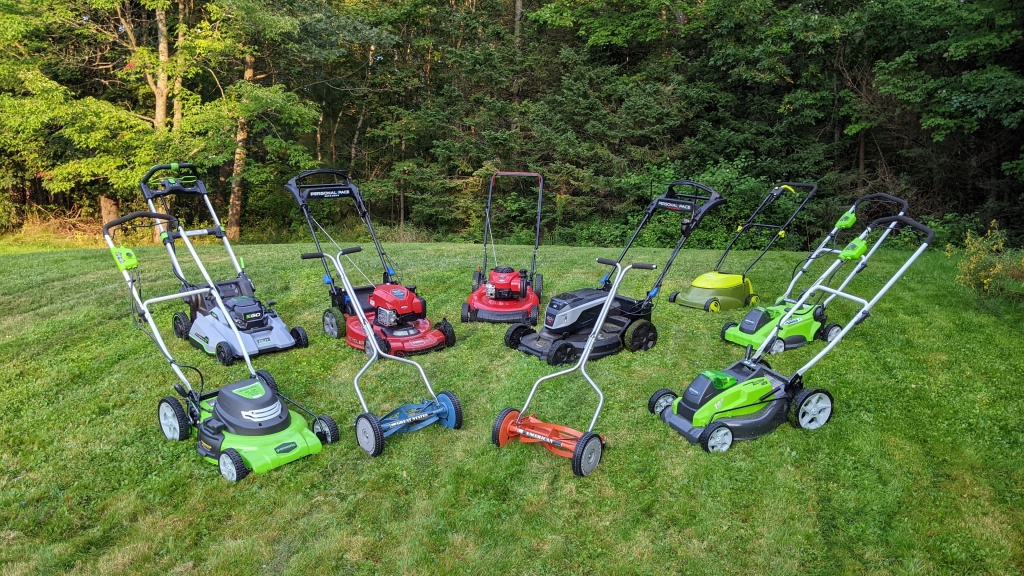
- Gas push or self-propelled
- Best for thick grass, medium to large lawns, and rough edges.
- Strong power and long run time. More upkeep, more noise.
- Corded electric
- Best for small, flat lawns near outlets.
- Light and cheap to run. The cord needs care and planning.
- Cordless battery
- Best for small to medium lawns. Great for tight spaces.
- Low noise and low care. Run time depends on battery Ah.
- Manual reel
- Best for small, flat lawns with fine turf.
- Very quiet, clean cut. Needs sharp blades and short grass.
- Robotic
- Best if you want hands-off care and steady, frequent cuts.
- Very quiet. Needs a boundary wire and clean edges.
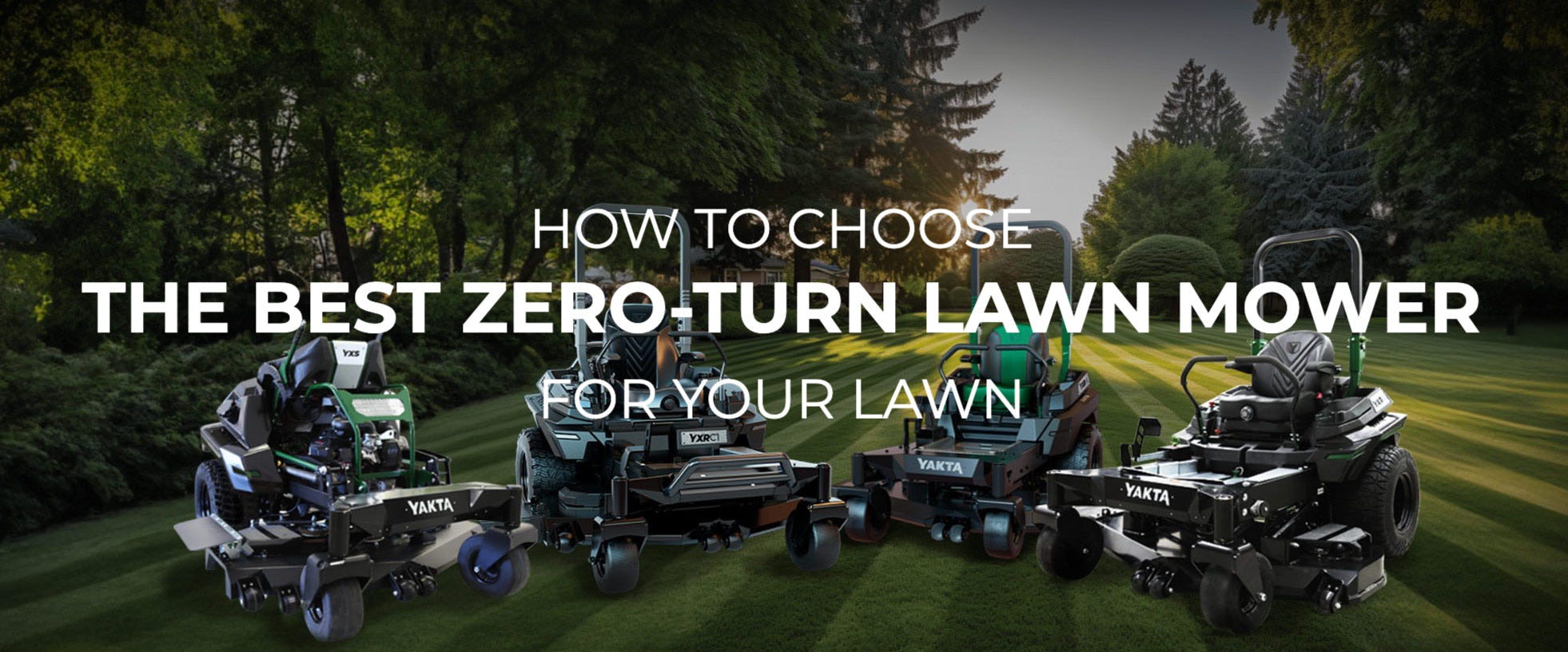
- Riding and zero-turn
- Best for large lawns. Zero-turns cut fast around beds and trees.
- Bigger cost and storage. Check slope ratings.

Power, performance, and cut quality
Power decides if you glide or grind. Here is what to check as you learn how to choose the best lawn mower.
- Cutting width
- Wider decks cut faster but need more room to turn and store.
- Deck material
- Steel is strong. Composite resists rust. Aluminum can cut weight.
- Drive
- Push is light and cheap. Self-propel helps on hills and long runs.
- Engine or motor
- Gas uses cc and torque. Electric uses volts and watts. Look for high torque for thick grass.
- Battery specs
- Volts show system power. Amp-hours show run time. Two batteries can give back-to-back cuts.
- Blade and airflow
- A sharp blade and good deck airflow boost mulching. It also helps bagging and wet grass.
My tip. If you mow once a week, aim for a deck that mulches well. Mulching saves time and feeds the yard.
Features that matter day to day
Good features save time and strain. This is a key part of how to choose the best lawn mower.
- Height adjust
- One-lever adjust is fast. Look for clear marks in inches.
- Mulch, bag, and side discharge
- A true 3-in-1 deck gives you options for seasons and growth.
- Electric start
- Great on gas mowers. It saves your shoulder.
- Blade-brake clutch
- Lets the blade stop while the engine runs. Safe and handy for moving sticks and toys.
- Wash-out port or easy clean deck
- Makes clean-up quick. Keeps cut quality high.
- Smart features
- Robots with app maps help plan zones and times. Some push mowers show load and time left.
- Tires and traction
- Big rear wheels help on bumps. For hills, look for solid grip.
Two features I push friends to test. Try the handle adjust and the bag attachment. If they feel clumsy in the store, they will feel worse at home.
Fit, ergonomics, and safety
Your mower should fit your body. It should also help you stay safe.
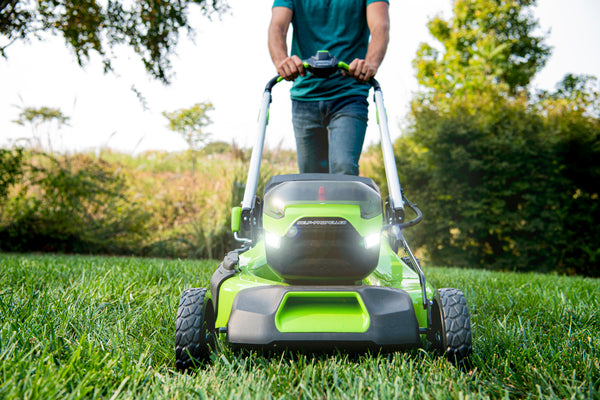
- Handle height and angle
- Your elbows should bend a little. Your back should stay straight.
- Weight and balance
- Lighter is easier to turn. A well-balanced mower tracks straight.
- Vibration and noise
- Less buzz means less fatigue. Ear and eye protection still help.
- Safety basics
- Dead-man bar, blade guard, and clear controls are musts.
- Slope use
- Read the manual slope rating. On steep hills, mow across with care or use a trimmer.
If you wonder how to choose the best lawn mower for bad knees, look at self-propel with a light deck and easy rolling wheels.

Budget, value, and total cost
Price is not the full cost. Plan for fuel, batteries, blades, and time. This is a smart way to think about how to choose the best lawn mower.
- Upfront ranges
- Reel: low.
- Corded: low to mid.
- Cordless: mid to high, more with extra batteries.
- Gas walk-behind: mid to high.
- Robotic: mid to very high.
- Riding and zero-turn: high to very high.
- Ongoing costs
- Gas: fuel, oil, plugs, filters, winter care.
- Battery: extra packs, new packs after a few years.
- Blades: sharpen or replace.
- Bags: if you use disposable liners.
A quick check I use. Divide price by seasons you expect to own it. Add a small annual cost for parts and fuel. That per-season number keeps choices clear.
Maintenance and storage made simple
Care keeps the cut clean and the mower safe. Here is a short plan.
- After each mow
- Brush off the deck. Check for clogs. Top off charge or fuel.
- Every 10 hours or so
- Check blade edge. Check wheels and cables.
- Each season
- Sharpen blade. For gas, change oil and air filter. For battery, update firmware if your brand has it.
- Storage
- Keep dry. Fold handles if space is tight. For gas, use fuel stabilizer.
- Robot care
- Keep the deck clean. Check the boundary wire and connections.
How to choose the best lawn mower also means asking, will I keep up with care? If not, pick the system with the least work.
Environmental and noise impact
Lawn care rules are changing fast. Some places push battery power. Some limit hours for noisy tools.
- Emissions
- Battery mowers emit no fumes at the point of use.
- Newer gas engines are cleaner than old ones but still emit CO and NOx.
- Noise
- Cordless and reel are very quiet. Gas is louder.
- Early morning use may be limited by local rules.
- Waste
- Mulching cuts bag use. It feeds the soil.
If you want to be future-proof, this is how to choose the best lawn mower. Lean toward battery if it meets your yard needs.

Try before you buy and shop smart
Small tests prevent big regrets. Ten minutes in a store can save years of hassle.
- Test the handle
- Adjust height. Try the bail bar. Check the feel with gloves.
- Lift the front
- See how it turns. Light front ends help around beds.
- Drive test
- If the store has a demo, try the self-propel speed range.
- Check return and support
- Look for 30-day returns and a solid service network.
- Warranty
- Read the fine print on batteries and decks.
If you are still unsure how to choose the best lawn mower, rent one for a weekend or borrow a neighbor’s model to compare.
Common mistakes to avoid
Learn from my goofs so you do not repeat them.
- Buying too wide for your gate or shed door.
- Skipping self-propel on a hilly yard.
- Picking a weak battery system with no upgrade path.
- Ignoring deck height range for your grass type.
- Forgetting noise limits or HOA rules.
- Overlooking total cost and warranty service.
Avoid these and you are close to how to choose the best lawn mower the smart way.
Quick picks by scenario
Use these fast matches to narrow your list.
- Small, flat lawn, low noise
- Cordless 36–60V with a 18–20 inch deck or a sharp reel mower.
- Medium lawn with mix of grass
- Cordless 60–80V with two batteries or a mid-size gas self-propel.
- Large lawn, few obstacles
- Riding mower or zero-turn with a 42–54 inch deck.
- Steep slopes
- Walk-behind with strong self-propel and grip tires. For very steep areas, use a string trimmer or a pro.
- Set-and-forget care
- Robotic mower matched to your lawn size, with zone maps and rain sensing.
If you keep these matches in mind, you will know how to choose the best lawn mower with confidence.
Frequently Asked Questions of how to choose the best lawn mower
What size mower deck should I get?
Match the deck to your yard and gates. Small yards do well with 18–20 inches, while large open areas benefit from 21–22 inches or more.
How long should a mower last?
A well-kept mower can last 8–10 years or more. Battery packs may need replacement after 3–5 years depending on use and care.
Is a self-propelled mower worth it?
Yes for medium or hilly yards. It cuts effort, keeps pace steady, and helps you mow longer without strain.
Should I mulch, bag, or side discharge?
Mulch for weekly cuts to feed the lawn. Bag during heavy growth or when dealing with weeds; discharge only if clippings will not clump.
Gas vs battery: which is better?
Battery is quieter, cleaner, and low care for small to medium yards. Gas still wins for thick grass, long sessions, and very large areas.
Conclusion
You now know how to choose the best lawn mower by matching yard size, slope, and grass to the right type, power, and features. Focus on fit, care needs, noise rules, and total cost. Test the handle, drive, and cut system before you buy.
Pick a shortlist today and compare in person this week. Your future self will thank you when mowing feels easy and quick. Want more tips and real-world picks? Subscribe, share your yard details in the comments, and I will help you choose.