
Pick a sunny spot, build healthy soil, plant organic seeds, and start small.
You want to know how to start an organic garden that actually works, season after season. I’ve built gardens for small yards, balconies, and full lots. In this guide, I’ll show you how to start an organic garden with clear steps, simple tools, and methods I use in real life. If you want clean food, less waste, and a calmer mind, you’re in the right place. Read on for a plan you can trust.
Why organic gardening is worth it
Organic gardens grow soil first, then plants. Good soil feeds roots, holds water, and boosts flavor. It also cuts waste and saves money over time.
You avoid harsh chemicals. You welcome pollinators and birds. You build a small, living system that can bounce back after heat or rain.
Studies show that compost, mulch, and crop rotation lead to fewer pests and better yields. That is why learning how to start an organic garden pays off for your plate and the planet.

How to start an organic garden: a step-by-step plan
Here is how to start an organic garden in simple steps. Start small. Then expand as you learn.
- Choose your spot
Pick an area with 6 to 8 hours of sun. Avoid low, soggy ground. Keep water access close. - Test your soil
Use a basic test kit or a local lab. Aim for pH 6.0 to 7.0 for most crops. Add lime or sulfur only if the test says so. - Decide on bed style
Raised beds warm fast and drain well. In-ground beds cost less. Containers work for small spaces. - Add organic matter
Mix in 2 to 3 inches of compost over the top 6 to 8 inches of soil. This boosts life and nutrients. - Plan your crops
Grow what you eat. Start with easy wins like lettuce, bush beans, kale, tomatoes, and herbs. - Buy organic seeds or starts
Look for certified organic or untreated seeds. Choose disease-resistant varieties for your area. - Set a planting calendar
Check your frost dates. Plant cool-season crops in early spring and fall. Warm crops go in after frost. - Water well and deep
Water at the base in the morning. Keep soil moist, not soggy. Drip or soaker hoses save time. - Mulch the surface
Lay 2 to 3 inches of straw, leaves, or wood chips. Mulch stops weeds and keeps roots cool. - Prevent pests early
Use row covers. Attract ladybugs with flowers like dill and alyssum. Hand-pick pests when you spot them. - Feed the soil, not the plant
Use compost, worm castings, and gentle organic feeds. Avoid high-salt products. - Keep notes
Track what you plant, when, and how it grows. This is the best way to learn how to start an organic garden that gets better every year.
In my first year, I planted too much and watered too often. The fix was simple: fewer crops, more mulch, and a timer on my hose. You can do the same and enjoy steady wins.
Choosing the right location and layout
Sunlight is the big key. Most veggies need 6 to 8 hours a day. Watch the light for a few days before you dig. Windbreaks help too. A fence or hedge can shield young plants.
Keep your beds narrow enough to reach the center. Paths should fit your wheelbarrow or bucket. Good layout makes daily care easy. If you ask how to start an organic garden the smart way, start by placing beds where you will use them often.
- Place tall crops on the north side so they do not shade shorter crops.
- Group plants by water needs.
- Add a small tool station and a compost spot close by.

Building living soil the organic way
Healthy soil is dark, crumbly, and full of life. When you plan how to start an organic garden, focus on soil first. A simple jar test shows texture. Sandy soil drains fast. Clay holds water. Loam is a mix and is ideal.
Boost organic matter to around 5 percent over time. Add compost each season. Plant cover crops like clover after harvest. Keep soil covered with mulch so worms can thrive.
If your pH is low, add garden lime in fall. If it is high, use sulfur or more compost. Make small changes and test again next season.
Compost and natural fertilizers
Compost is your core feed. Mix greens and browns. Greens include food scraps and fresh grass. Browns include dry leaves and straw. Keep it damp like a wrung-out sponge. Turn it now and then to add air.
Use gentle organic fertilizers when needed. Fish emulsion feeds leafy crops. Kelp helps with stress. Alfalfa meal adds nitrogen and growth factors. Rock minerals restore long-term balance. This slow, steady feed is key to how to start an organic garden that lasts.
- Top-dress with compost mid-season.
- Brew compost extract with clean water for soil drench.
- Avoid heavy salts that can harm soil life.
Seeds and seedlings: organic and heirloom choices
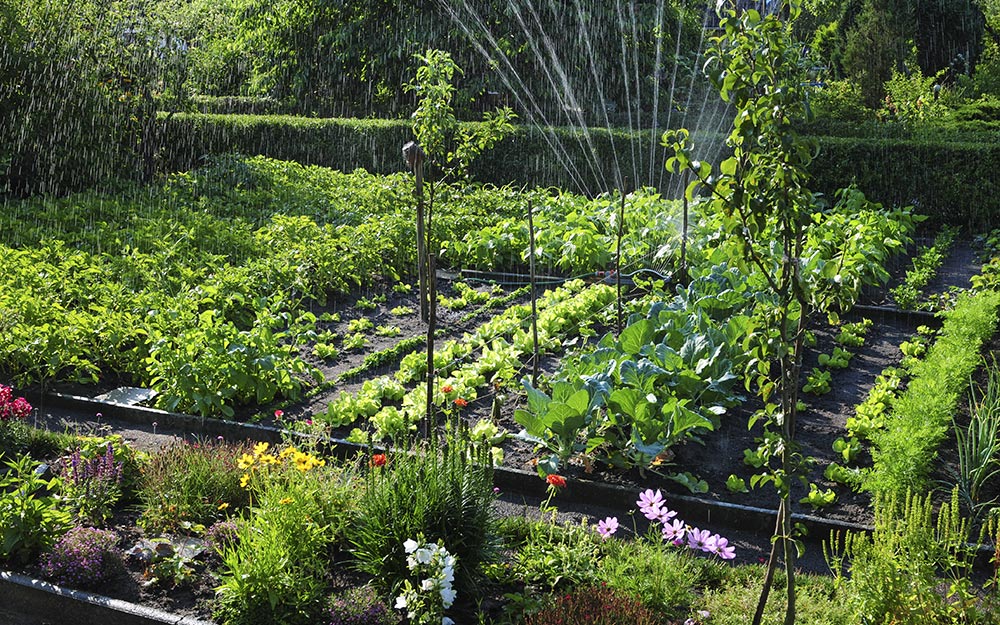
Pick seeds that match your climate and days to maturity. Heirlooms offer top flavor and seed saving. Hybrids can give strong disease resistance. Both can be organic.
Start seeds indoors for tomatoes, peppers, and herbs. Give them bright light and a fan for sturdy stems. Harden off for 7 to 10 days before planting outside. If you want a quick win on how to start an organic garden, buy healthy organic starts from a local grower.
Watering, mulching, and weed control
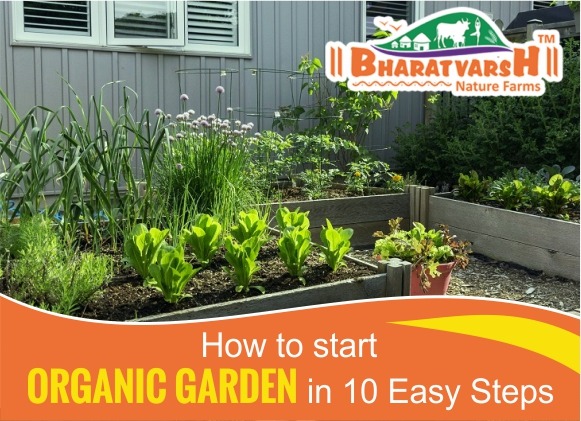
Deep, rare watering grows deep roots. Shallow, often watering grows weak roots. Use drip lines to cut waste and keep leaves dry. A cheap timer helps a lot.
Mulch changes the game. It cools soil, saves water, and blocks weeds. Use clean straw, shredded leaves, or wood chips on paths. Pull small weeds by hand each week. A simple stirrup hoe makes it fast.
Organic pest and disease management
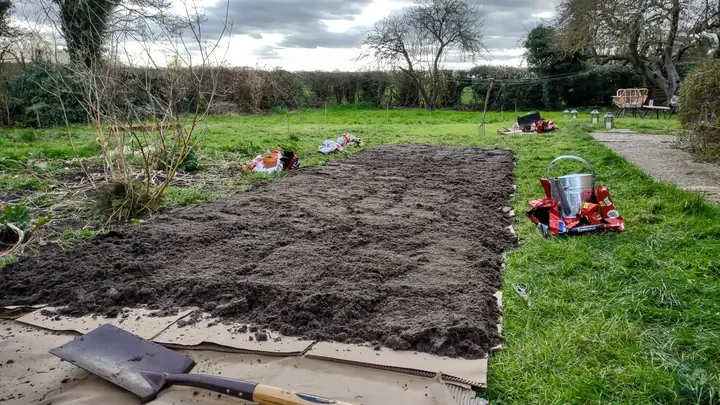
Think prevention first. Rotate crop families each year. Space plants so air can move. Water the soil, not the leaves. These steps cut disease.
Scout twice a week. Check under leaves. Look for eggs and frass. Hand-pick pests early. Use row covers on young brassicas. Invite allies with flowers. Ladybugs and lacewings love dill, fennel, and yarrow.
If you must spray, choose organic options and read labels. Test on one leaf first. Many home mixes can burn plants. A calm, steady plan is how to start an organic garden without harsh chemicals.
Seasonal calendar and succession planting
Plan for waves of harvest. Plant lettuce every two weeks for a steady bowl. After peas finish, plant beans in the same space. In late summer, seed fall crops like radishes, kale, and carrots.
Know your frost dates. Use them to time your starts and transplants. Add low tunnels or row covers in spring and fall. If you ask how to start an organic garden that feeds you longer, succession is your best tool.
Small spaces and container organic gardens
No yard? No problem. Use grow bags, half barrels, or deep pots. A 5-gallon bucket works for tomatoes. Make sure containers have drain holes.
Use a high quality organic potting mix. Add compost each month as a thin top layer. Water more often, as pots dry fast. You can still show how to start an organic garden on a balcony or stoop with herbs, greens, and dwarf peppers.
Budget, tools, and time-saving tips
You do not need fancy gear to begin. A hand trowel, a digging fork, a watering can or hose, and pruning shears are enough. Gloves help with thorns and wood chips.
Save money with seed swaps and homemade compost. Use leaves from fall as free mulch. Set a weekly garden hour on your calendar. A little routine is how to start an organic garden without stress.
Common mistakes and how to avoid them
- Planting too much at once. Start small and grow from there.
- Overwatering. Check soil with your finger before you water again.
- Skipping soil tests. Guessing leads to waste and weak plants.
- No mulch. Bare soil loses water and grows more weeds.
- Ignoring crop rotation. Pests and diseases build up fast.
I once lost a whole bed of cucumbers to mildew. The fix was more space, morning water, and a resistant variety the next year. Small changes matter.
Harvesting, storage, and seed saving
Pick in the morning for best flavor. Use clean shears. Cool crops fast in shade or the fridge. Store greens damp in a bag with air holes.
Save seeds from open-pollinated plants when possible. Dry them well and label the year and variety. This is a fun way to learn more about how to start an organic garden that keeps on giving.
Frequently Asked Questions of how to start an organic garden
What is the first step when learning how to start an organic garden?
Start with sunlight and soil. Pick a sunny spot and test your soil so you know what it needs.
How big should my first garden be?
Begin with one or two beds, about 4 by 8 feet each. This size is easy to water, weed, and learn from.
Do I need raised beds to start?
No. In-ground beds work well if your soil drains. Raised beds help if soil is heavy, compacted, or you want faster spring warmth.
What should I plant first as a beginner?
Try lettuce, kale, radishes, bush beans, cherry tomatoes, and basil. These crops are forgiving and give quick rewards.
How do I keep my garden organic if pests show up?
Use row covers, hand-picking, and traps first. If you spray, choose approved organic options and follow labels.
How often should I water new plants?
Water new transplants every 2 to 3 days for the first week, then less often but deeper. Adjust for heat, wind, and soil type.
Can I use kitchen scraps in my garden?
Yes, but compost them first. Raw scraps can draw pests; finished compost feeds soil life and plants.
Conclusion
You now have a clear road map to grow clean food at home. Start with sun, soil, and a few easy crops. Add compost and mulch. Scout for pests and plant again after each harvest. That steady rhythm is how to start an organic garden that thrives.
Set one small goal today. Mark your frost dates, order seeds, or build a single bed. Then share your first sprout or harvest with a friend. Want more tips and seasonal reminders? Subscribe and leave a question in the comments so I can help you grow.