
Clean, tune, adjust gearing, and reduce drag to gain safe, real speed.
If you want a clear, proven plan for how to make a riding lawn mower faster, you are in the right place. I’ve tuned, rebuilt, and optimized mowers for homeowners and hobby racers. In this guide, I’ll show you safe, legal ways to pick up speed without wrecking reliability. You’ll see what works, what to avoid, and how to track real gains. Stick with me, and you’ll know exactly how to make a riding lawn mower faster with confidence.

Safety, legality, and expectations
Your mower is built to cut grass first. Speed is second. Keep safety and rules in mind before any change. Riding fast on slopes, wet yards, or rough ground can cause a rollover. Good brakes, solid steering, and a stable stance matter more than raw speed.
Follow your engine and mower manual. Do not remove safety gear. Blade tip speed has legal limits. Overspeeding the deck can be dangerous. Local rules may ban loud exhausts or racing on public land. If you are asking how to make a riding lawn mower faster for yard work, aim for small, safe gains and protect your warranty.
Set a target. A clean, well-tuned mower might gain 1 to 3 mph. More than that often means trade-offs. Plan your changes, test slowly, and keep yard care safe.

Quick wins: maintenance that unlocks stock speed
Basic care often gives the biggest speed jump. It cuts drag and restores power. Start here before any mods. Many times, this is all you need when asking how to make a riding lawn mower faster.
Do these steps:
- Use fresh, ethanol-free fuel if you can. Old gas steals power.
- Replace the fuel filter. Clean the carb bowl if the engine surges.
- Install a new spark plug. Set the gap to spec.
- Clean or replace the air filter. A clogged filter chokes power.
- Check belt wear and tension. A slipping belt robs ground speed.
- Set tire pressures to the same PSI side to side. It helps tracking and roll.
- Scrape the deck. Packed grass drags the blades and slows the engine.
- Sharpen and balance blades. Dull blades load the engine.
- Level the deck. A nose-down deck can overcut and bog the engine.
- Check throttle cable travel. Make sure it reaches full throttle at the engine.
- Inspect governor linkage. Set it to the factory max RPM, not above.
From my bench time, I’ve seen a simple belt change and a clean deck add 1 mph on its own. It also made cutting cleaner and reduced fuel use.

Transmission and pulley tweaks
Ground speed is gear ratio times tire size. Change ratios and you can pick up speed. But be smart about it. Big jumps can strain the transaxle and cut hill-climb torque.
Pulley ratio basics:
- Bigger engine pulley or smaller transaxle pulley raises ground speed.
- Smaller engine pulley or bigger transaxle pulley boosts torque, not speed.
- Measure both pulleys. Your speed change is roughly the ratio change.
Practical steps:
- Inspect belt guards and frame clearance before swapping pulleys.
- Upgrade belts to a heavy-duty type if you increase tension or heat.
- Keep the deck drive on its own belt if your model allows. Do not overspeed blades.
- On vari-drive systems, check linkage and drive pulley alignment. Adjust per manual.
Hydrostatic notes:
- Hydros get hot and slow down with age. Change fluid and filter if serviceable.
- Purge air from the system after service. Air causes cavitation and lost speed.
- Pulley swaps do not help sealed hydros much. Heat is the key limit.
If you wonder how to make a riding lawn mower faster without killing torque, make modest pulley changes first. Test, then decide if you need more.

Engine airflow and fueling improvements
Engines need clean air, correct fuel, and cooling. Small changes here can add a little speed and a lot of drive quality.
Do this:
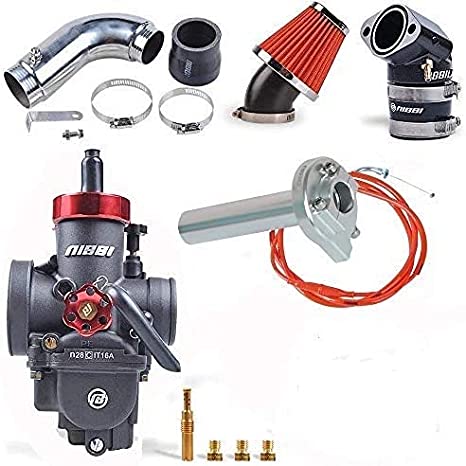
- Fit a fresh OEM air filter. Add a light oil film to foam pre-filters as directed.
- Clean the carb jets. A quick soak and compressed air can cure lean surge.
- If you live at high altitude, use the correct main jet size per the manual.
- Keep the cooling fins and shrouds clean. Heat kills power fast.
- Use fuel with the octane the engine calls for. Higher octane alone does not add power.
Exhaust:
- A freer muffler can improve throttle response, but noise rises a lot.
- Support the pipe to prevent cracks. Neighbor rules still apply.
Governor:
- Many engines are set to about 3,200 to 3,600 RPM. Set yours to the factory max only.
- Bypassing the governor can break parts and is not safe for mowing. Track-only if at all.
From my tests, setting the governor to the correct factory speed and cleaning the carb gave more “pull” up small hills. That small gain feels bigger than it sounds. This is a simple, reliable path for anyone learning how to make a riding lawn mower faster.
Tires, traction, and setup
Tires act like your final gear. Taller tires raise speed at the same RPM. But they also cut torque and raise deck height. Find a balance.
Tips:
- A 1-inch taller tire can add a small but clear speed bump.
- Keep tread that rolls well on your turf. Turf-saver patterns roll faster than lug tread.
- Set rear tire PSI at the top of the safe range for lower rolling drag.
- Align the front end. A slight toe-in helps tracking and keeps speed steady.
- Replace sloppy bushings. Play in the axle or steering wastes energy and feels twitchy.
If your question is how to make a riding lawn mower faster without touching the engine, tires and alignment are easy wins.

Weight, drag, and efficiency
Think of your mower like a backpacker. Less weight and friction means less work and more pace.
Easy cuts:
- Remove the bagger, weights, or snow gear when you mow.
- Lube pivot points, idlers, and linkages. Less friction equals better speed.
- Make sure anti-scalp wheels spin free and set them right.
- Keep the deck underside smooth and clean to reduce air and grass drag.
- Check spindle bearings for roughness. Replace worn parts to cut drag.
If you’re mapping how to make a riding lawn mower faster on a budget, these steps cost little and pay off fast.

Controls, blade speed, and mowing setup
Speed is not only engine and gears. It is also how your controls and deck work together.
What to check:
- Ensure the throttle lever reaches full throw at the carb. Adjust the cable sleeve if needed.
- Verify the choke opens fully. A half-choked engine is slow and hot.
- Use the right deck height. Too low in thick grass makes the engine bog.
- Mow in dry conditions when possible. Wet grass is heavy and sticky.
Blade speed caution:
- Stay within blade tip speed limits. Do not alter deck pulleys to spin blades faster.
- Keep the deck belt and spindles in top shape for safe, steady cut.
These small checks remove hidden blockers. They also support the core goal of how to make a riding lawn mower faster while still cutting well.

Measuring gains and troubleshooting
Measure to know what works. Guessing wastes time and parts.
Helpful tools:
- A GPS speed app on your phone for ground speed.
- A tiny tachometer for engine RPM.
- A simple scale for belt tension by deflection.
Test plan:
- Record baseline speed on the same stretch of flat lawn.
- Make one change at a time. Retest. Note temp, grass height, and fuel used.
- If speed falls, check for belt slip, hot hydros, or a surging governor.
If a pulley swap made it slower, the belt may be too long or rubbing a guard. If an engine tweak didn’t help, the deck may be the drag. This method is the sure way for anyone learning how to make a riding lawn mower faster without guesswork.

Budget and upgrade paths
Build a plan that fits your time and wallet.
Smart sequence:
- Free and cheap: fuel, filters, plugs, belt inspection, deck clean, cable set.
- Low cost: new belts, fresh tires, front-end alignment parts.
- Mid cost: mild pulley ratio change, heavy-duty belt, tach, and temp checks.
- Higher cost: carb refresh or upgrade, exhaust, cooling service on hydros.
Know when to upgrade the machine:
- If your yard is big and flat, a faster transaxle mower or a zero-turn may be worth it.
- If hills are steep, torque and brakes are more important than peak speed.
If your priority is how to make a riding lawn mower faster for weekly mowing, stop at mild pulley and maintenance gains. For hobby builds, add track-only mods and better safety gear.
Frequently Asked Questions of how to make a riding lawn mower faster
Is removing the governor safe?
It is risky for mowing. Parts can overspeed and fail. Keep the governor at the factory max for yard work and reliability.
Will a bigger engine pulley always make me faster?
It can raise ground speed, but you lose torque and stress belts. Make small changes and test belt clearance and heat.
Do taller tires help a lot?
They add some speed but raise deck height and cut torque. Try one size up and check your cut quality.
Can I make a hydrostatic mower faster?
Service the hydro with fresh fluid and purge air if the unit allows it. Most speed gains on hydros come from heat control and maintenance, not pulley swaps.
What’s the cheapest way to get more speed?
Do maintenance first: clean the deck, set tire PSI, replace belts and filters. Many mowers gain 1 to 2 mph with these steps alone.
Will a performance muffler add speed?
It can improve throttle response a bit. The real gains come from a clean intake, correct jetting, and correct governor settings.
How do I know if my belt is slipping at top speed?
You may hear squeal, see rubber dust, or feel surging. Inspect pulley glaze and belt width, and check tension and alignment.
Is it legal to modify a mower for speed?
Lawn use has safety rules, like blade tip speed limits. Keep changes within manufacturer and local guidelines to avoid unsafe operation or liability.
Conclusion
Small, smart steps add up. Clean up the fuel and air path. Fix belts and cables. Balance tire size, gearing, and traction. Measure each change and protect safety. That is the most reliable path for how to make a riding lawn mower faster without hurting your mower or your lawn.
Pick two or three ideas from this guide and try them this weekend. Share your results, ask questions, or subscribe for more hands-on mower tips.