
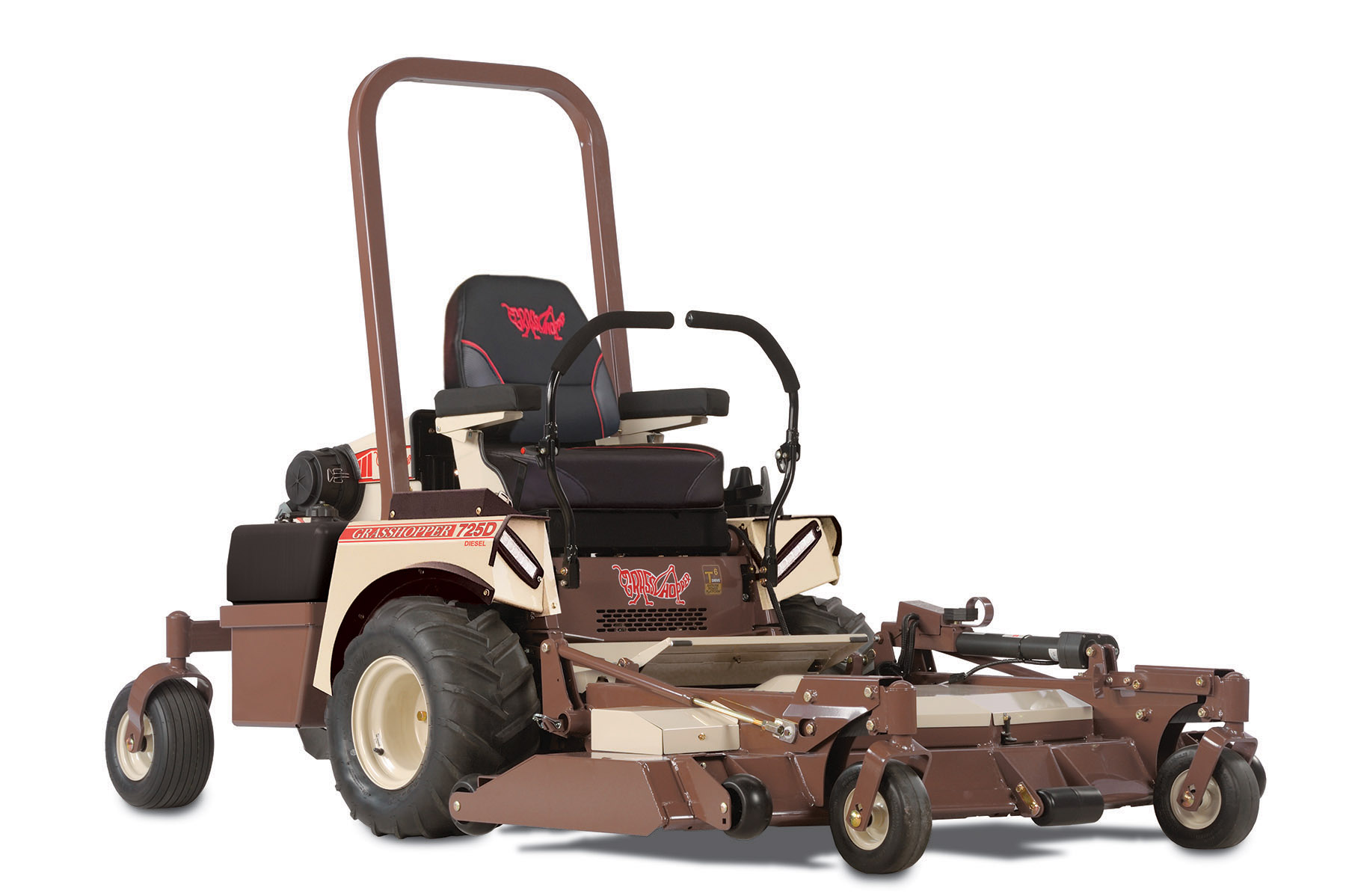
Electric mowers fit most homes; diesel mowers excel on big, tough jobs.
If you are weighing electric vs disel which lawn mower is best, you are in the right place. I’ve helped homeowners and crews choose and run both. I’ll break down cost, power, runtime, noise, and upkeep. I’ll share real wins and mistakes from the field. By the end, you’ll know which mower style fits your yard, your time, and your budget.
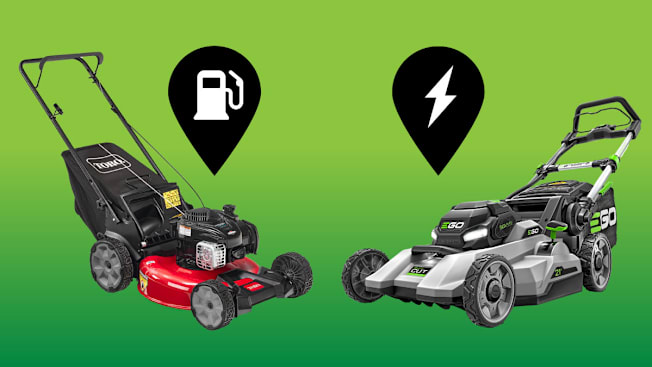
How to choose based on lawn size and needs
The word best depends on your yard and schedule. Start simple. Match the tool to the job.
Small yards up to 8,000 square feet
- Electric walk‑behind is ideal. It is light and quiet.
- One or two batteries are enough for weekly cuts.
- Storage is easy. No fuel smell.
Medium yards up to one acre
- Electric ride‑on or strong walk‑behind can work.
- Diesel ride‑on is overkill unless grass is very thick.
- Think about runtime, slopes, and obstacles.
Large acreage or rough ground
- Diesel ride‑on shines here. It pulls through heavy growth.
- Long runtime and high torque save time.
- Electric may work if you can swap large packs.
If you ask electric vs disel which lawn mower is best, start with yard size. Then weigh growth rate, slope, and how often you mow. The right match saves money and stress.
:max_bytes(150000):strip_icc()/rsp-riding-lawn-mowers-test-ryobi-80v-hp-brushless-42-inch-battery-electric-cordless-zero-turn-patrick-mcgowan-04-68c20e19f8ab40b5889d2d40948558da.jpeg)
Performance: torque, cut quality, and runtime
Power feels different with each type. Electric gives instant torque. Brushless motors hold blade speed well. This helps in thick spring grass. Many units reach blade tip speeds on par with gas. Cut lines look clean.
Diesel engines deliver steady torque under load. They pull a big deck across wet or tall grass. They also handle slopes better due to weight and traction. That weight can leave ruts on soft soil, though.
Runtime is simple. Electric depends on battery capacity. A 60V 10Ah pack stores about 600 Wh. A push mower may draw 700 to 1,000 W. That is about 30 to 45 minutes per pack. Pro electric ride‑ons pack many kWh. Those can cut several acres but cost more. Diesel runs as long as you have fuel. Refills are fast.
If you still wonder electric vs disel which lawn mower is best, ask how often you face tall, wet grass. Diesel will keep blade speed when things get tough. Electric handles normal weekly cuts with ease.
Cost of ownership: upfront and long term
Upfront price
- Electric push mowers start low and go mid‑range with extra batteries.
- Pro electric ride‑ons cost the most today.
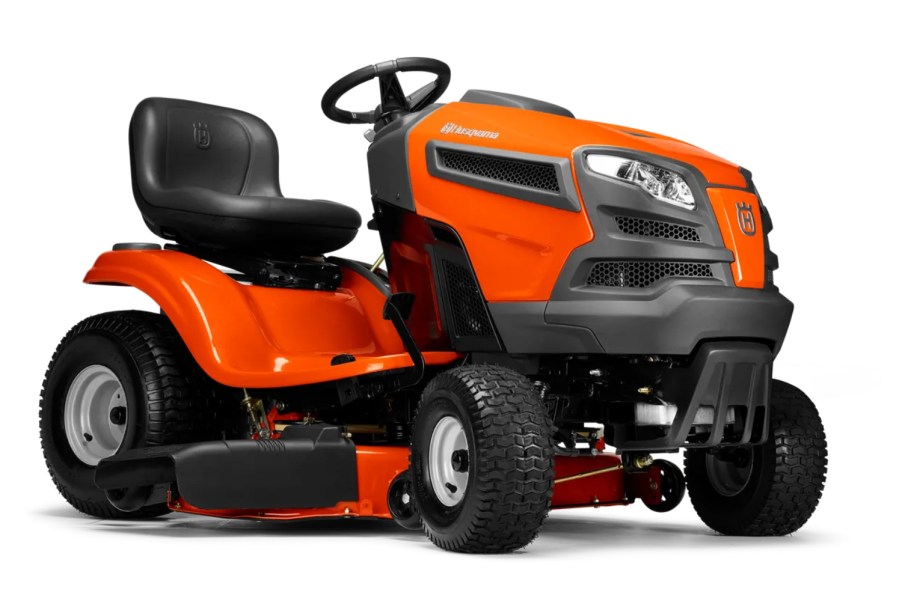
- Diesel ride‑ons cost more than gas and less than many pro electrics.
Fuel and energy
- Electricity is cheap per hour. Night charging can save more.
- Diesel prices vary. A 25 hp mower may burn around 1 to 1.5 gallons per hour.
- For one acre per week, diesel fuel adds up fast across a season.
Maintenance
- Electric: blades, battery care, and a yearly check. No oil or filters.
- Diesel: oil and filter every 100 hours, fuel filter, air filter, belts, and coolant on some models.
- Batteries last many cycles when stored cool and charged right.
Resale and life
- Diesel units hold value if maintained.
- Electric resale depends on battery health and brand support.
When you compare electric vs disel which lawn mower is best, look at total hours per season. High hours favor diesel in uptime. Low to moderate hours favor electric in cost and care.

Convenience, comfort, and noise
Start and go
- Electric starts with a button. No warm‑up, no choke.
- Diesel needs a warm‑up. Cold starts take longer.
Noise and feel
- Electric push mowers often measure about 70 to 75 dB.
- Diesel ride‑ons can reach 85 to 100 dB under load.
- Electric has low vibration. Diesel has more engine buzz.
Storage and smell
- Electric stores clean. No spills or fumes.
- Diesel has fuel odor and fluids to manage.
I mow early on client routes. Neighbors love the quiet of electric. On big lots with tall fescue, diesel saves time and trips. Think about your ears and your morning schedule when asking electric vs disel which lawn mower is best.
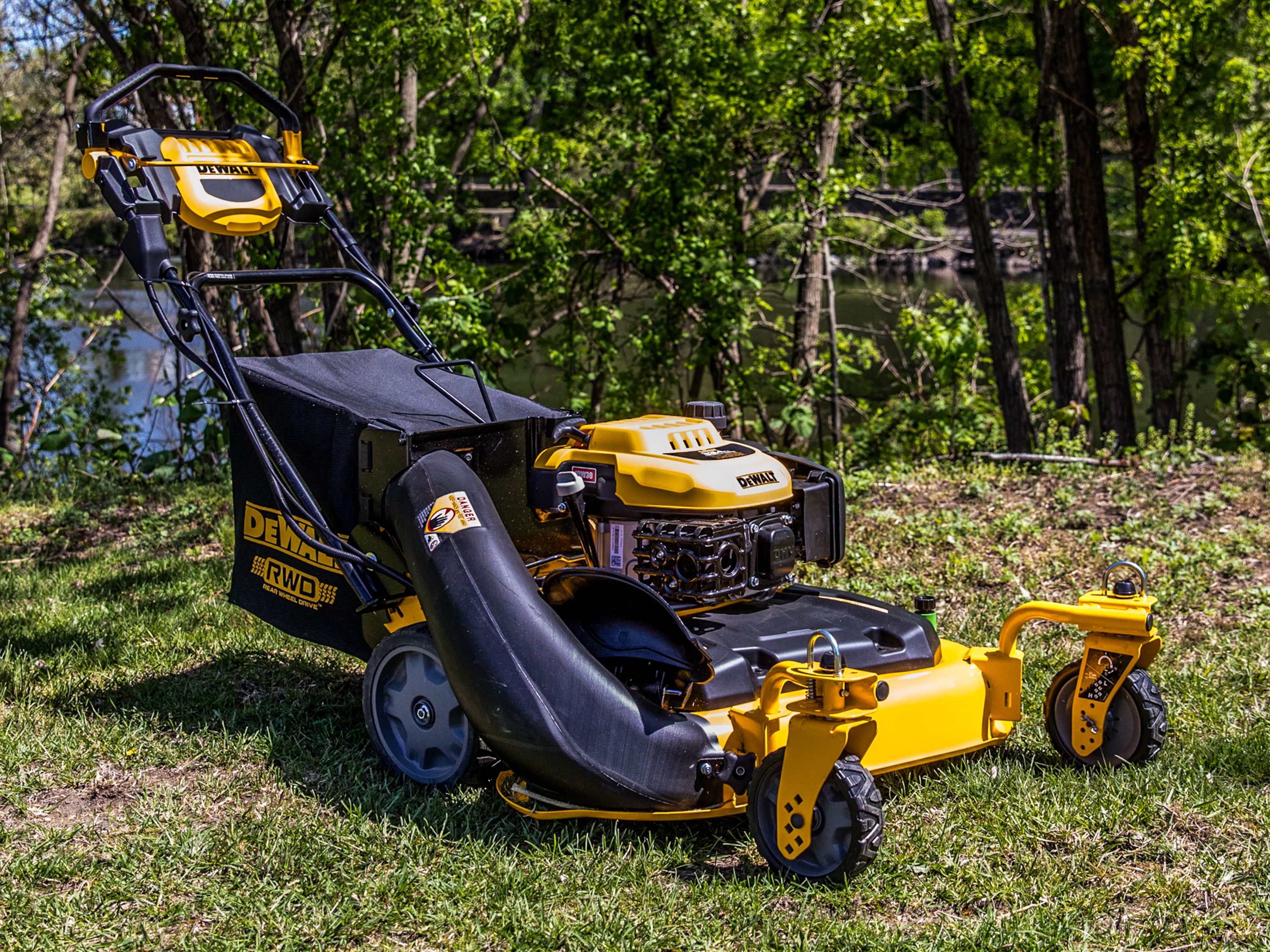
Environmental impact and rules
Emissions
- Electric has zero tailpipe emissions at the yard.
- Diesel produces NOx and particulates. Some units use after‑treatment.
Noise rules
- Many towns have quiet hours. Electric helps you comply.
- Crews can start earlier with fewer complaints.
Energy source
- Electricity may come from mixed sources. Solar charging helps.
- Diesel is simple to store on site but has spill risk.
For crews who bid city work, electric can open doors. For farm or acreage, diesel remains a workhorse. The local rules may decide electric vs disel which lawn mower is best for you.

Reliability and maintenance reality
What breaks and when
- Electric: blades, switches, and decks take hits. Motors are sealed and tough.
- Battery care matters. Avoid heat and deep drains for long life.
- Diesel: service the engine on schedule. Watch belts and hydraulics.
Service access
- Electric needs fewer shop visits. Firmware updates may help some models.
- Diesel needs regular oil and filter changes and more hands‑on checks.
Parts and support
- Pick brands with strong parts chains.
- Ask about battery availability in five years.
From my field notes, misuse breaks more gear than design does. Keep blades sharp. Clean the deck. Log hours. These simple habits matter more than the badge when you weigh electric vs disel which lawn mower is best.
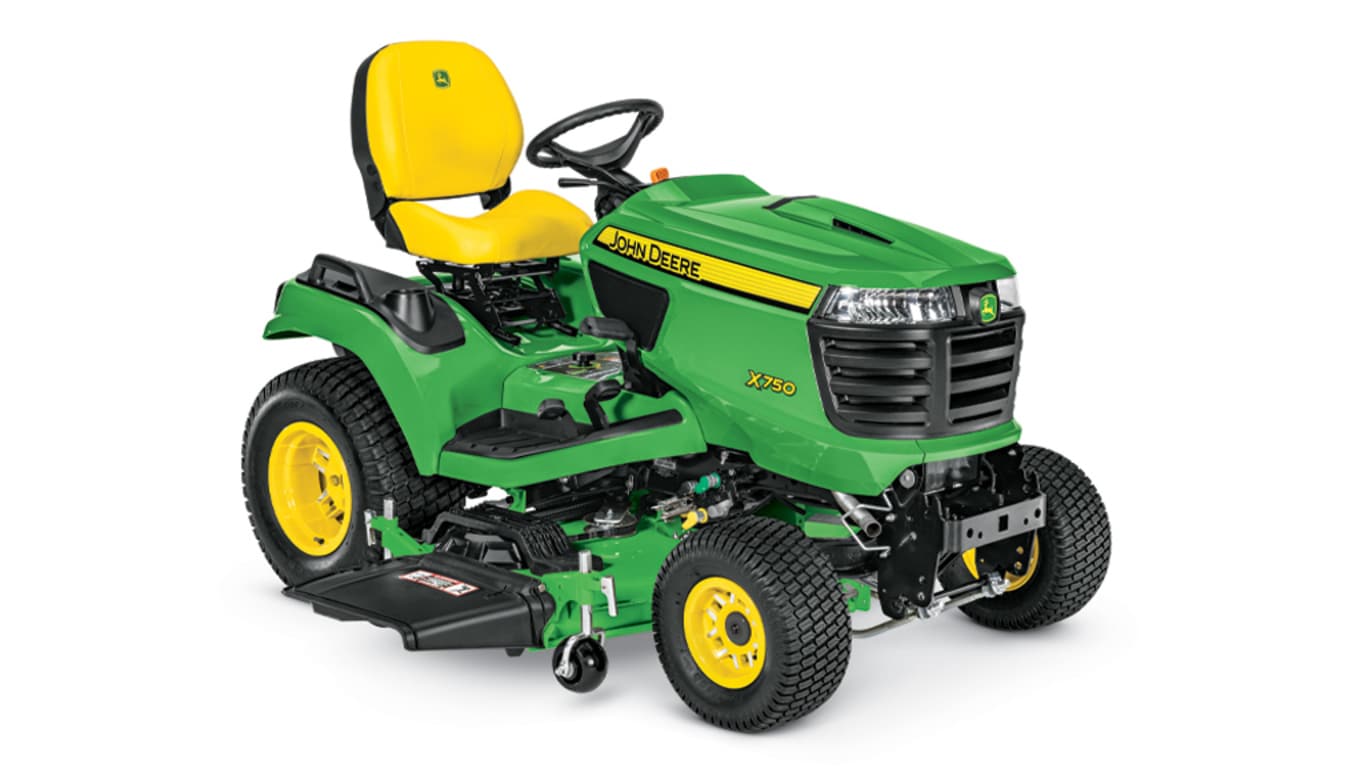
Best fit by scenario
Small suburban lawn, weekly cuts
- Choose a cordless electric push or self‑propelled unit.
- Keep a spare battery. Store packs indoors.
Medium yard with kids and pets
- Electric wins for low noise and no fumes.
- A mid‑tier self‑propelled unit saves time.
One acre with slopes and thick turf
- Consider a heavy‑duty electric ride‑on if budget allows.
- If cuts are infrequent or very tall, go diesel.
Acreage, fields, and commercial routes
- Diesel ride‑on or compact tractor mower is best.
- Use wide decks and plan fuel stops.
If your day looks like stop‑and‑go in small yards, electric is faster and nicer. If your day is long passes over thick grass, diesel pays you back. So, electric vs disel which lawn mower is best depends on how you mow, not just what you mow.

Real‑world examples and lessons learned
Weekend warrior, 7,000 square feet
- Switched from gas to a 60V electric. Finished in 35 minutes.
- One battery per mow. Sharper blades fixed early bogging.
HOA common area, 2 acres
- Tried a pro electric ride‑on. Great cut, short runtime in tall spring growth.
- Moved to diesel for spring, kept electric for summer trims.
Commercial crew, mixed lots
- Ran diesel zero‑turns for speed. Added electric push units for early routes.
- Complaints dropped. Crew fatigue dropped due to lower noise.
These jobs show a split use can work. You do not need a single answer to electric vs disel which lawn mower is best. You need the right tool at the right time.

Buyer checklist
Use this list before you buy.
Power and deck
- Match deck width to gates and beds.
- Check blade tip speed and motor torque claims.
Runtime plan
- Electric: number of packs or kWh on board.
- Diesel: tank size and average burn per hour.
Upkeep and parts
- Service intervals and local dealer support.
- Battery warranty terms and expected cycles.
Noise and rules
- dB ratings and local quiet hours.
- Storage space and charging access.
Budget and growth
- Total cost over three years.
- Room to scale if your lawn or routes grow.
If you still ask electric vs disel which lawn mower is best, walk this list with a dealer. Bring your lawn map and grass type. You will spot the clear choice fast.
Frequently Asked Questions of electric vs disel which lawn mower is best
Are diesel lawn mowers legal in cities?
Yes, but some cities have noise or emission rules. Check local codes and HOA rules before you buy or bid.
How long do electric mower batteries last?
Most last 500 to 1,000 cycles with good care. Store cool, avoid deep drains, and charge before winter.
Can electric mowers cut wet grass?
They can, but plan for slower passes. Wet grass strains any mower and reduces cut quality.
Do diesel mowers cost more to maintain?
Usually, yes. Oil, filters, belts, and fuel system care add up over hours. Electric has fewer wear parts.
What size yard should choose diesel?
Over one acre with tall or fast‑growing grass is a good line. Hills, thick turf, and long sessions favor diesel.
Are electric mowers powerful enough for bermuda or zoysia?
Yes, with sharp blades and a strong model. Choose a brushless motor and enough battery capacity.
Is corded electric worth it?
For small, flat yards, yes. It is cheap, light, and has unlimited runtime if cord management is safe.
Conclusion
For most home lawns, a cordless electric mower is the best mix of ease, low noise, and low cost. For big acreage, thick grass, and long sessions, a diesel ride‑on still rules. Your yard size, growth rate, and schedule decide the winner.
Take ten minutes and map your lawn, note slopes, and list your mowing habits. Use the checklist above to compare models side by side. Ready to choose? Share your yard size and needs in the comments, or subscribe for my step‑by‑step buying guide next week.